
Why Commercial Kitchens Use Stainless Steel (And Why Your Home Should Too)
Discover why commercial kitchens rely on 304-grade stainless steel and how the same durability, hygiene, and low maintenance can benefit your home kitchen.
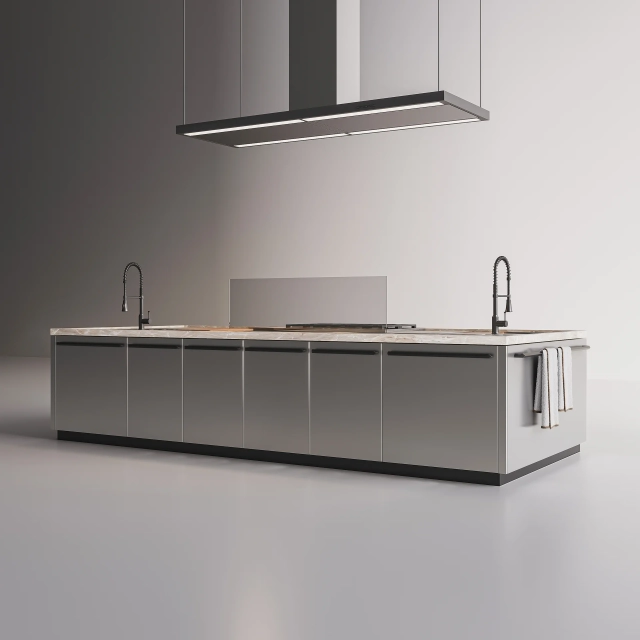
Walk into any restaurant or hotel kitchen and you’ll notice one thing: there’s stainless steel everywhere. The countertops, cabinets, shelves, sinks, all of it. And that’s not a design trend, it’s a deliberate and practical choice.
Commercial kitchens run hard and fast. They experience hours of heat, steam, oil, spills, and daily scrubbing. So naturally, the material it’s made of also needs to keep up with all these demands. And 304-grade stainless steel is the only one that does. Which is why it’s been the default in professional spaces for decades.
While your home kitchen isn’t a restaurant, it still faces a lot of the same conditions. That’s exactly why more homeowners are choosing a stainless steel modular kitchen when they renovate or build from scratch.
The Reason Why Commercial Kitchens Won't Use Anything But Stainless Steel
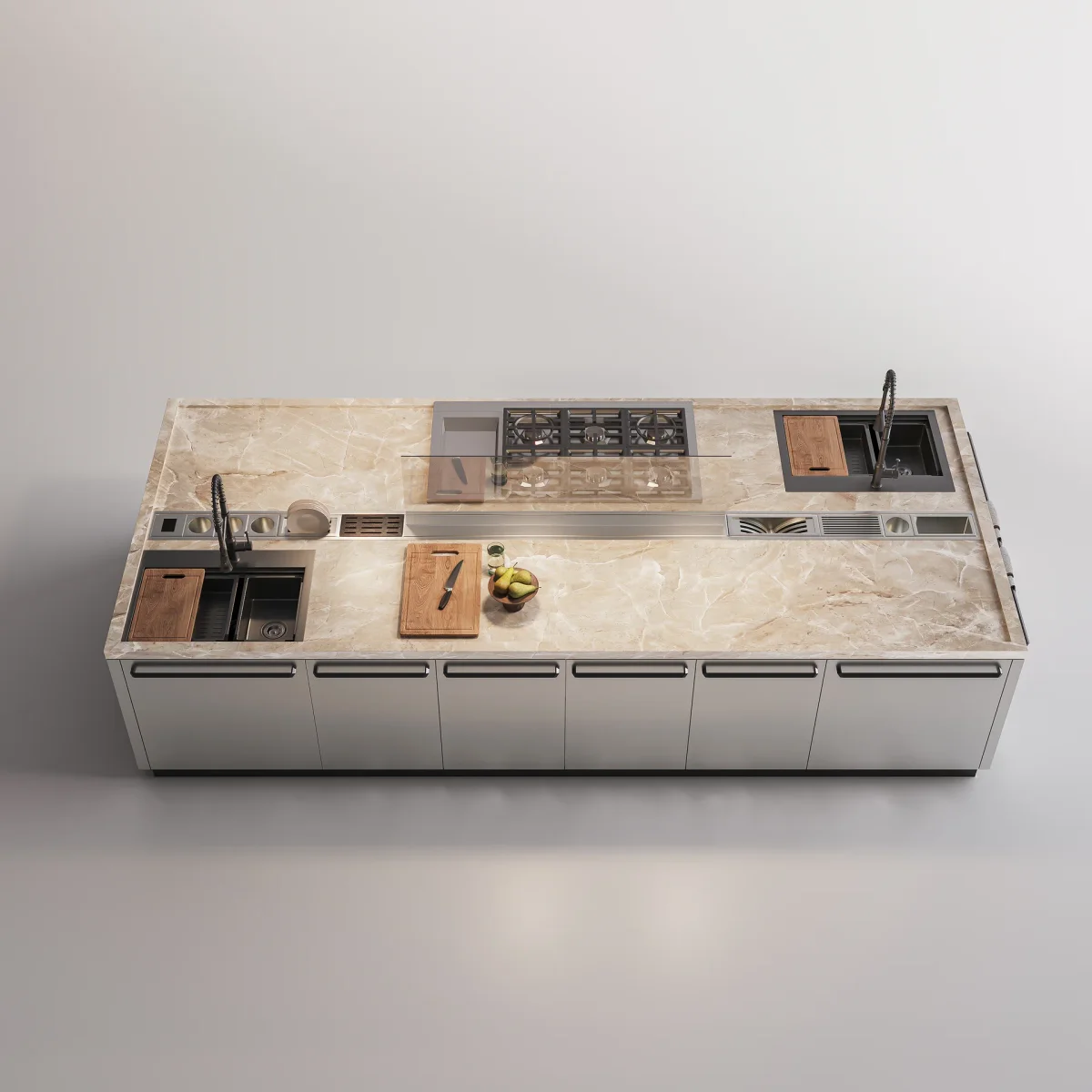
1. Hygiene standards
Commercial kitchens must maintain high levels of cleanliness to ensure food safety. Stainless steel is non-porous, which means it doesn’t absorb moisture, food particles, or odours, making surfaces easier to clean and sanitise.
2. Performance under heavy use
Professional kitchens operate for long hours and are exposed to constant heat, steam, spills, and impact. Stainless steel is designed to withstand these demanding conditions without losing its strength or functionality.
3. Reliability
Commercial kitchens depend on materials that can perform consistently every day. Stainless steel retains its structural integrity over time, even in environments where equipment and surfaces are used continuously.
4. Minimal downtime
Frequent repairs or replacements can disrupt operations and increase costs. Because stainless steel is highly durable, it helps reduce maintenance issues and keeps kitchens running efficiently.
5. Ease of maintenance
Unlike some materials that require refinishing or special treatments, stainless steel needs very little upkeep. Regular cleaning is usually enough to keep it in good condition for years.
Why This Matters in Your Home Kitchen
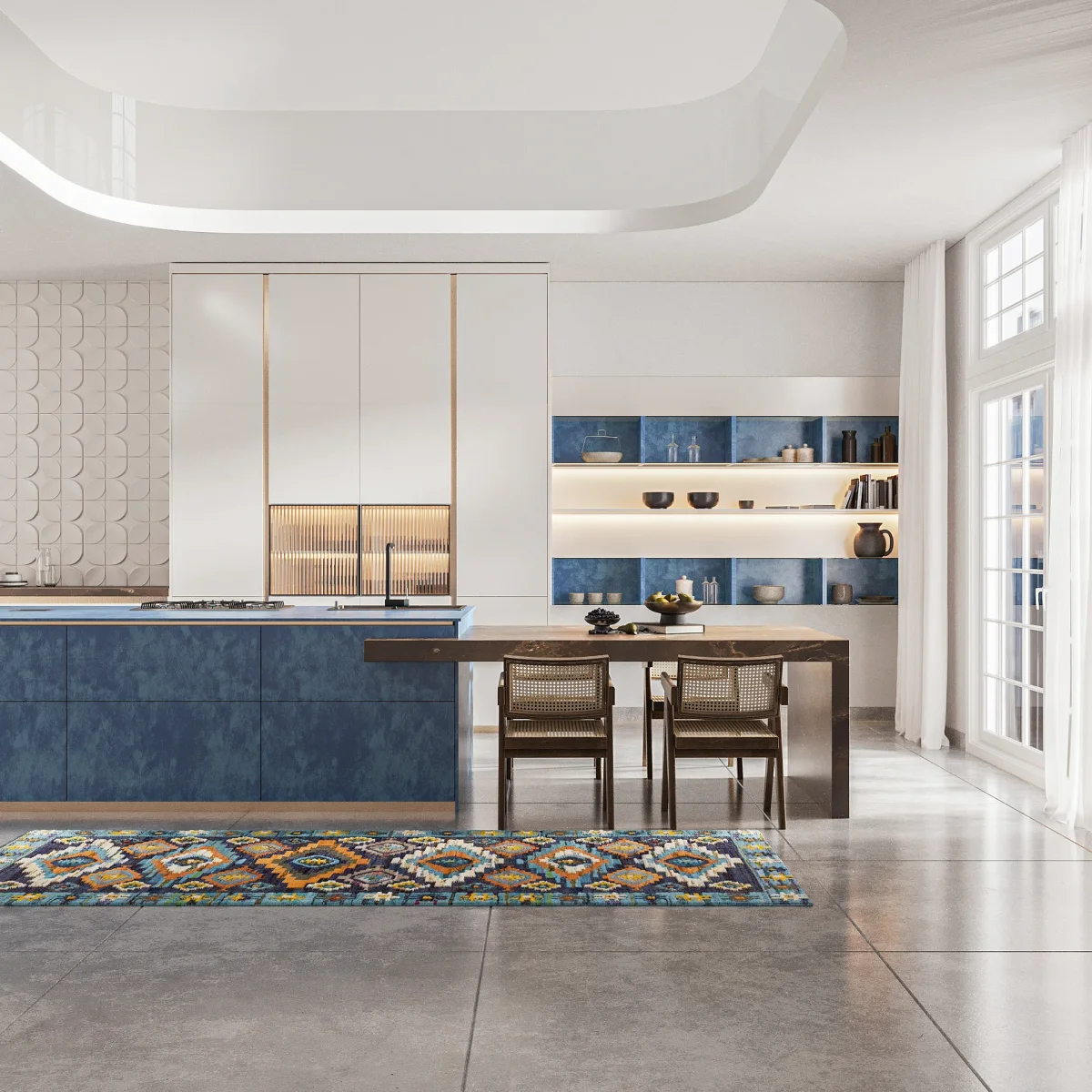
Your kitchen deals with the same things: daily cooking, heat from appliances, humidity, water around the sink, oil splatters, and regular cleaning. Additionally, you expect it to look good and stay functional for years to come.
Here’s why a 304-grade stainless steel kitchen can make a real difference to your home:
1. Protection against water damage
Kitchens are constantly exposed to water through cooking, cleaning, and daily use. Stainless steel does not absorb moisture, helping prevent issues such as swelling, warping, or deterioration over time.
2. No termite risk
Many traditional kitchen materials contain wood or wood-based components that can attract termites. Stainless steel is not an organic material which makes it naturally resistant to termite damage and pest-related problems.
3. Fewer repairs and replacements
One of the biggest advantages of a stainless steel kitchen is its ability to retain its strength and appearance over the long term. Unlike materials that deteriorate with daily use, stainless steel remains stable and durable for years. This reduces the likelihood of costly repairs and replacements in the future.
4. Sustainability
Products that last longer generally create less waste. Stainless steel has a long lifespan and is fully recyclable, making it a practical choice for homeowners who want a more sustainable kitchen.
"But Won't It Look Like a Restaurant Kitchen?"
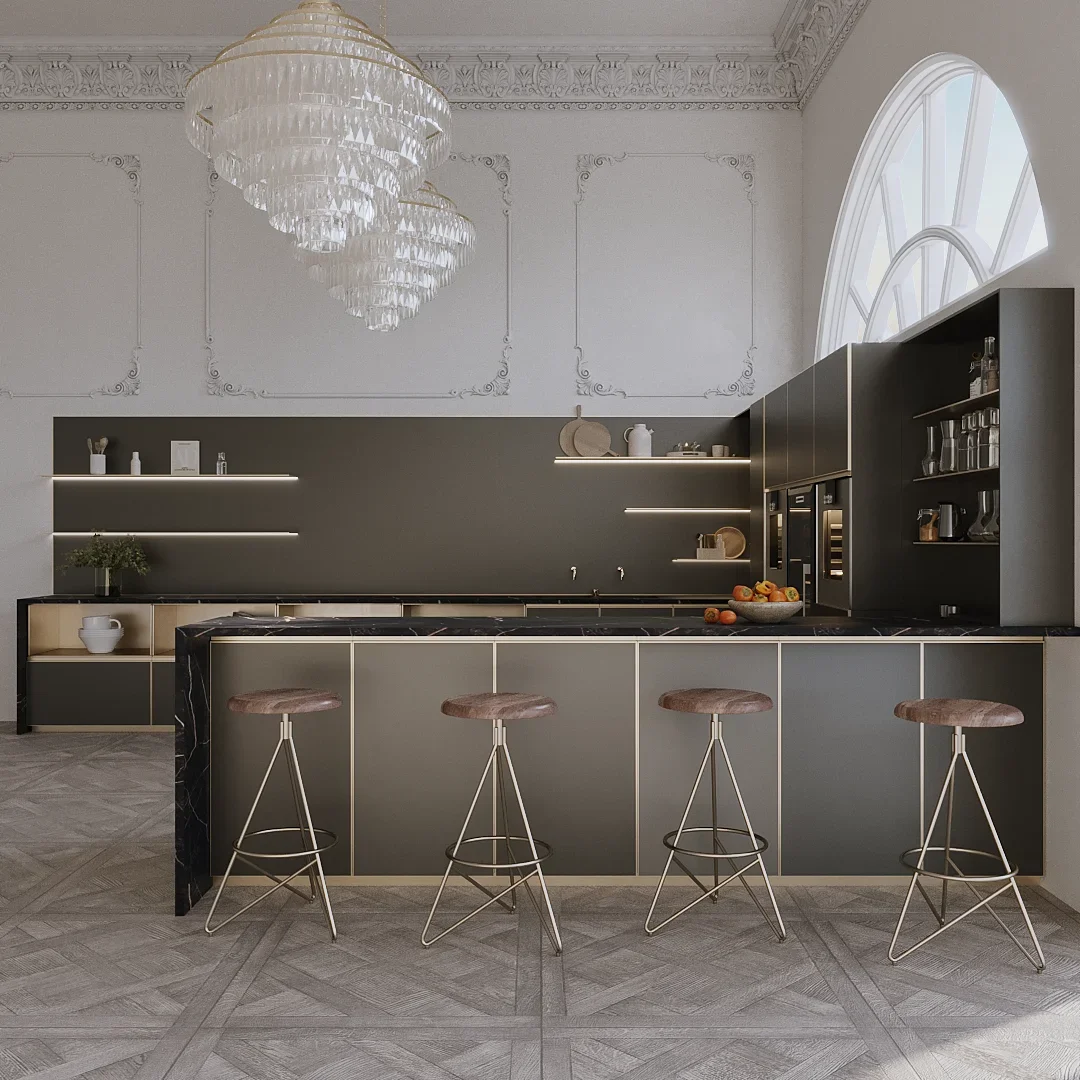
This is the most common pushback when it comes to stainless steel kitchens. Most people picture a cold, clinical professional kitchen when they hear “stainless steel.”
But modern stainless steel kitchen cabinets look nothing like that. Today, they come in a range of colours, finishes, textures, and designs that work beautifully with contemporary, minimalist, and luxury home interiors. You can easily customise the look of your stainless steel kitchen without losing its material integrity.
Think About Long-Term Value, Not Just Upfront Cost
When you’re comparing materials, it’s tempting to look only at what you’re paying today. But the better question is: how will this kitchen hold up in five or ten years? Will it need repairs? Is it at risk from moisture or termites? How much maintenance will it need?
These are the exact questions commercial kitchens ask. And stainless steel consistently comes out as the top choice.
Final Thoughts
Stainless steel has been the standard in commercial kitchens for a reason. It’s durable, hygienic, low-maintenance, and resistant to moisture. Those aren’t just restaurant problems, they’re home kitchen problems too.