
Modular Kitchens in Kerala: What Makes Them Worth It for Kerala Homes
Struggling with humidity, storage, or kitchen clutter in Kerala? Learn why modular kitchens are a smarter, more practical choice for modern homes.
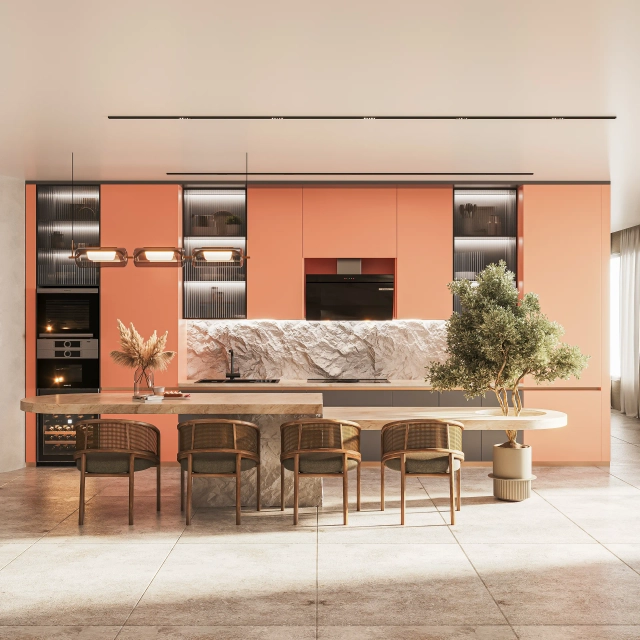
In most Kerala households, the kitchen has always been at the centre of daily life. It’s where sadhyas are prepared, where dosa and appam batter is left to ferment overnight, and where the entire family’s routine begins every day.
But as homes evolve and daily routines become more demanding, traditional kitchens are struggling to keep up. Kerala’s humid climate and heavy monsoons only add to this, affecting both the durability and efficiency of the space.
This is where modular kitchens can make a real difference.
1. Built for Kerala's Humidity
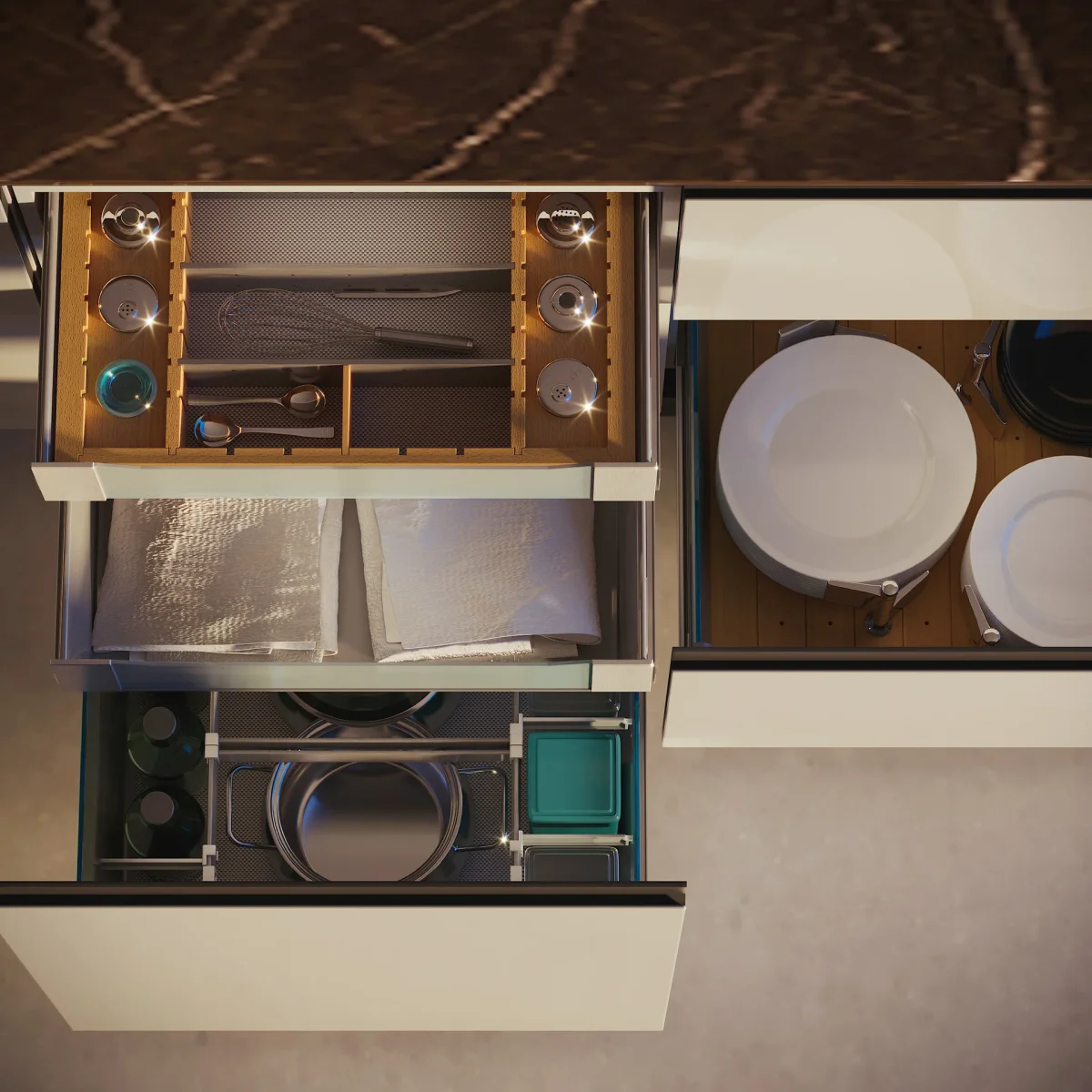
If you’ve lived in Kerala long enough, you know what moisture does to wooden cabinets. They swell, warp, and sometimes grow fungus. Even the metal hinges and handles start rusting within a few years.
Modular kitchens use materials like marine plywood and stainless steel that hold up in humid conditions. The finishes are applied in controlled factory environments, so the surfaces are properly sealed from the start. This means there’s little to no chance of it catching any mold or long-term damage.
2. Designed Around How You Actually Cook
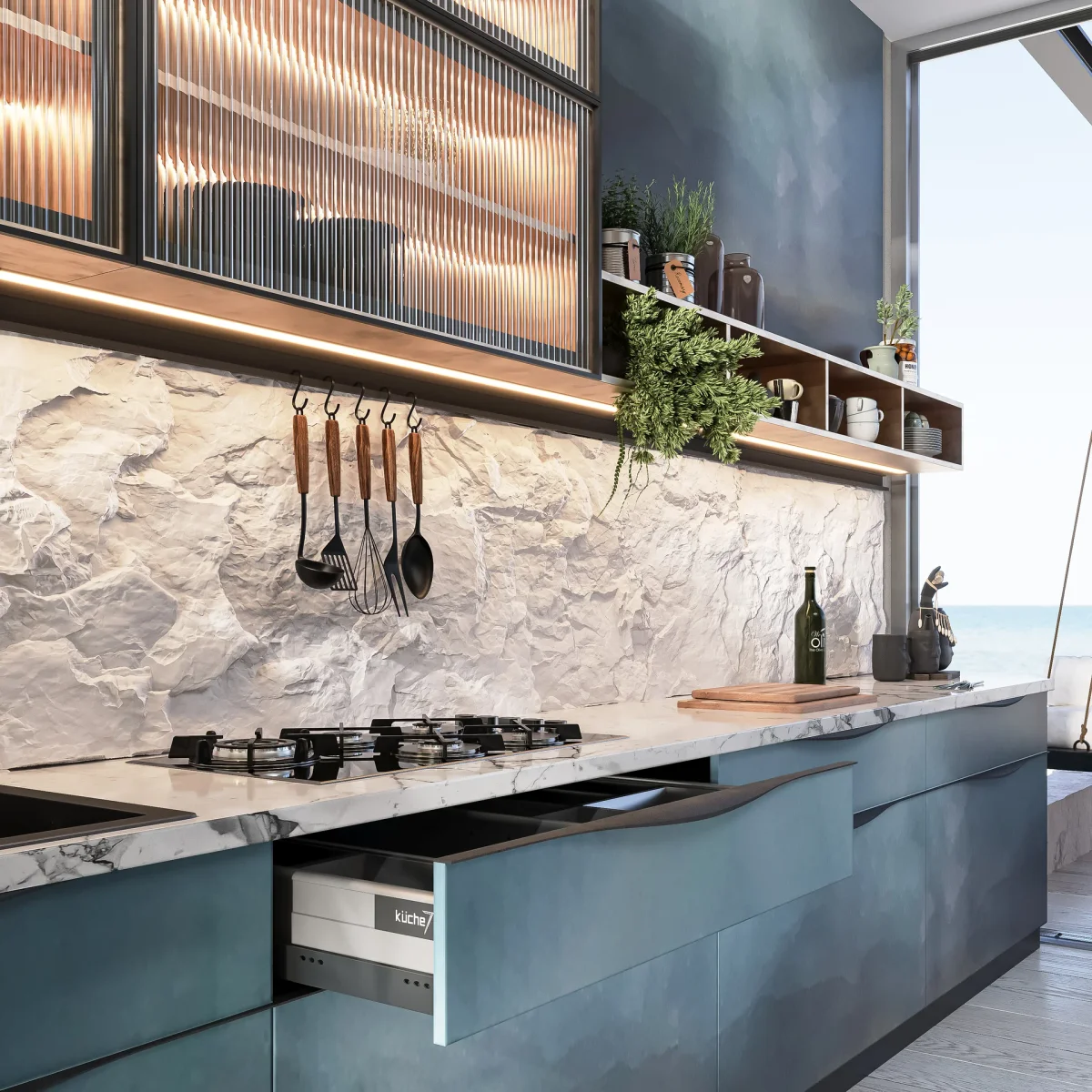
Kerala cooking is intense. Frying, tempering, slow gravies, coconut-heavy dishes. The heat and grease build up fast. Without proper ventilation, the kitchen becomes uncomfortable quickly and cleaning becomes a daily chore that completely drains you.
Modular designs plan for this from the beginning. Chimney placement, hob position, and airflow are all factored in during the design stage itself. As a result, the kitchen stays cleaner, cooler, and far more comfortable to work in.
3. Getting More Out of Compact Spaces
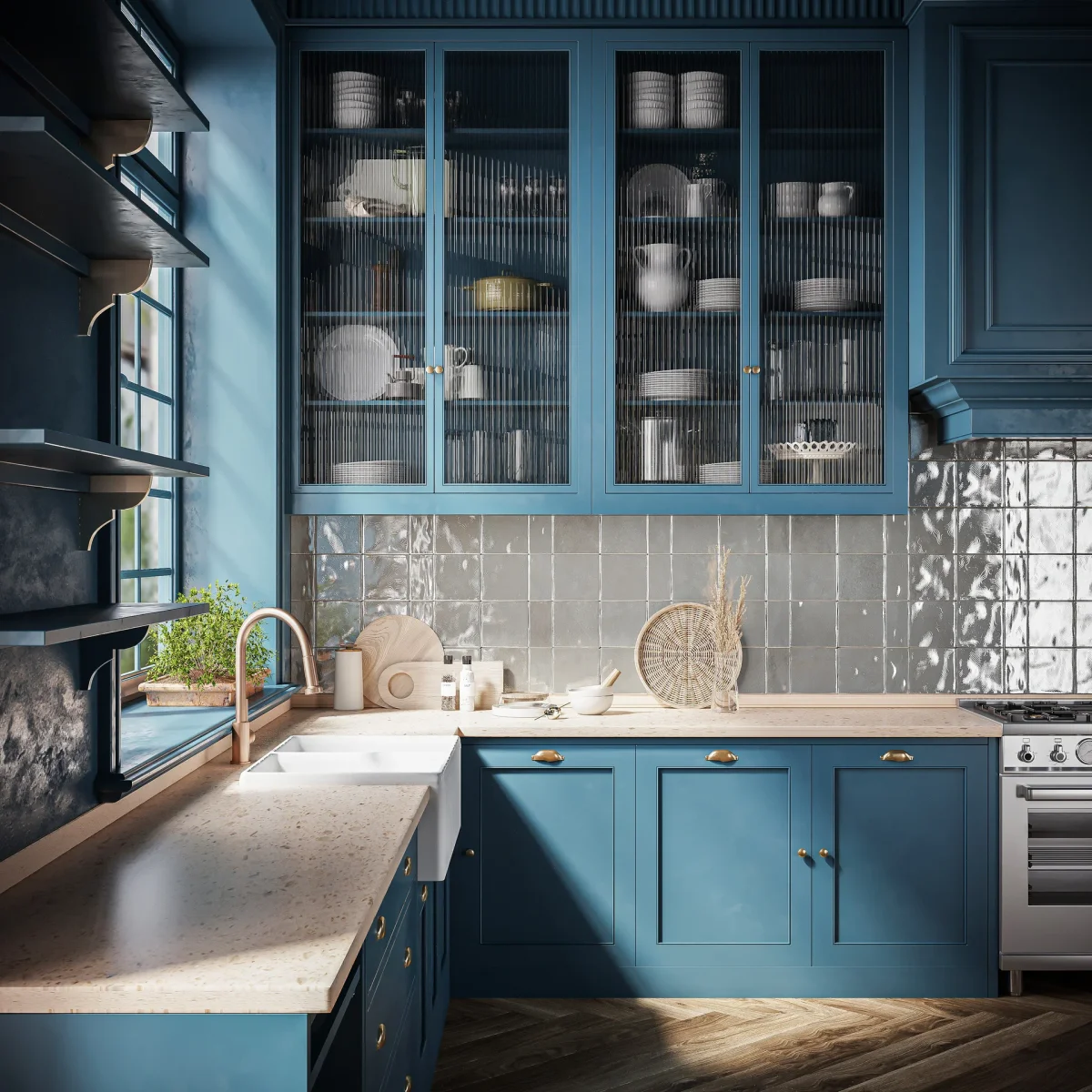
Urban apartments in cities like Kochi, Kozhikode, and Thiruvananthapuram are getting smaller day by day. But storage needs remain the same.
While traditional kitchens tend to waste the corners and ignore vertical height, modular systems optimise all of these. Solutions like tall units, deep drawers, and magic corners help you get more out of the space you already have.
4. A Place for Everything
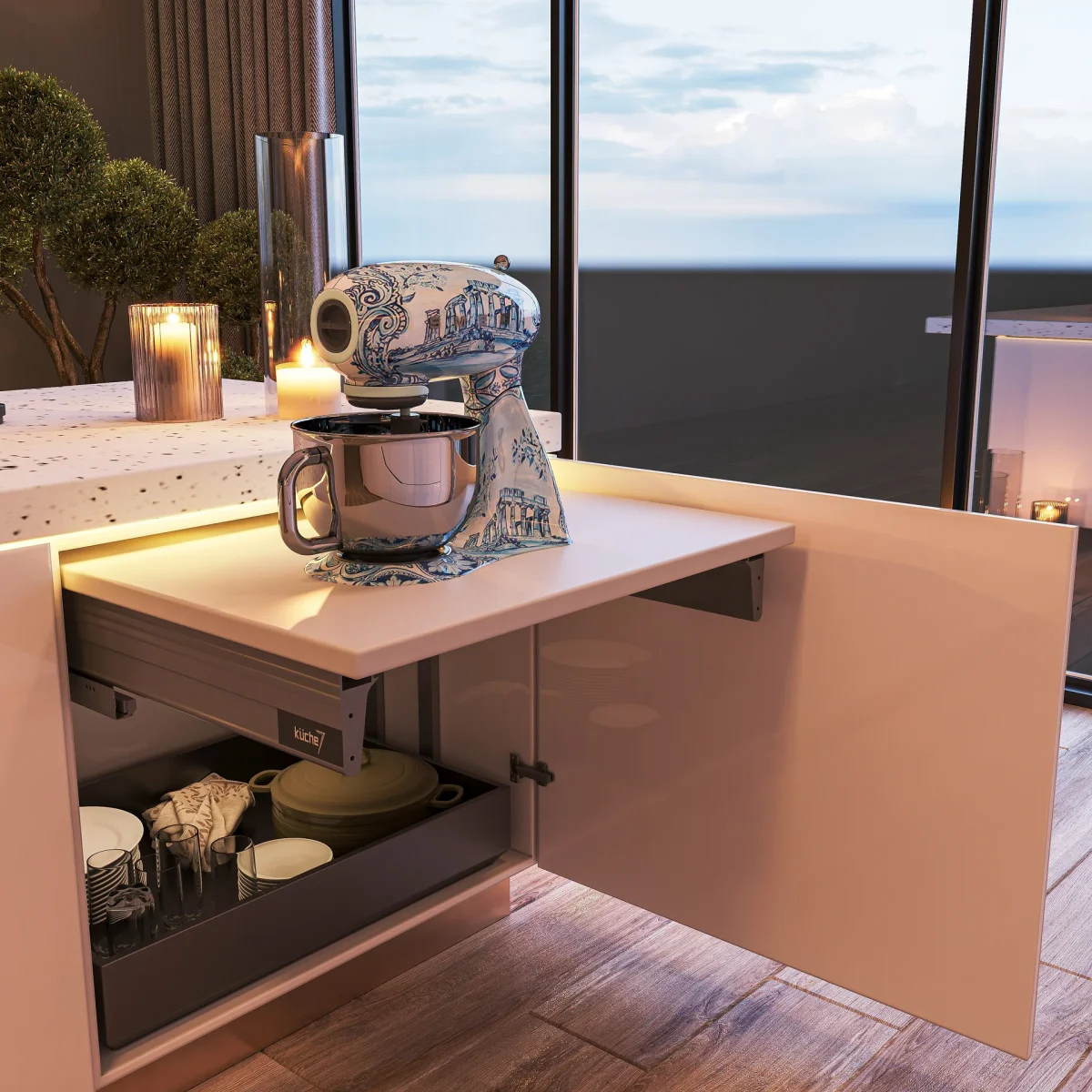
Kerala kitchens run on equipment. Mixers, grinders, coconut scrapers, pressure cookers, etc. When none of these have dedicated spots, everything ends up on the counter and the whole space gets cluttered.
With a modular kitchen, frequently used items are kept within reach and appliances get their own cabinets, often with built-in power points. This completely changes how your kitchen feels to work in.
5. Easier to Clean
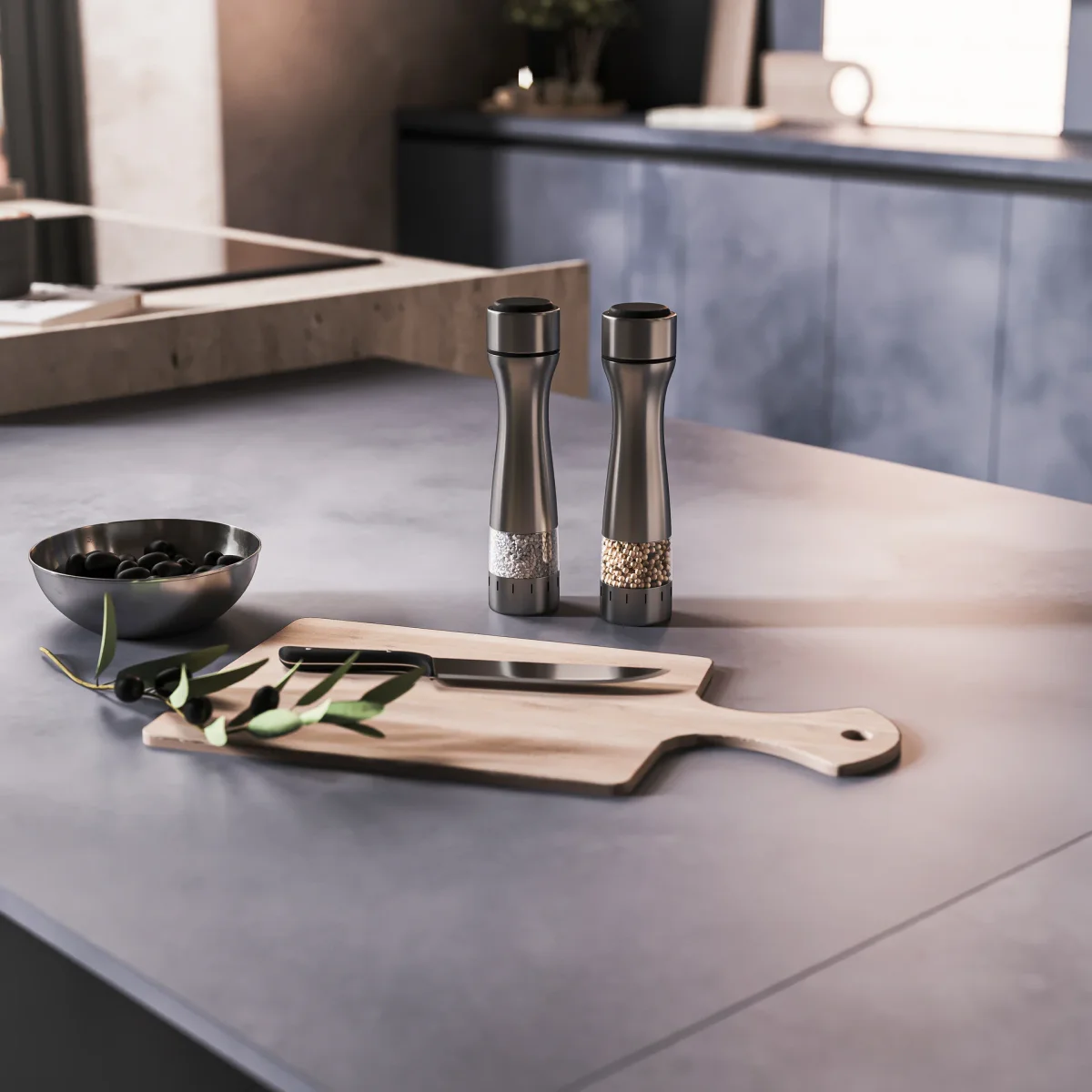
Cooking in Kerala often involves oil, spices, and strong flavors, which can leave behind stubborn stains and residue. Traditional kitchen materials like wood become harder to clean and maintain.
But modular kitchens use non-porous materials like laminates, acrylic finishes, and stainless steel. These surfaces are much easier to clean and hold up better over time.
6. Movement That Makes Sense
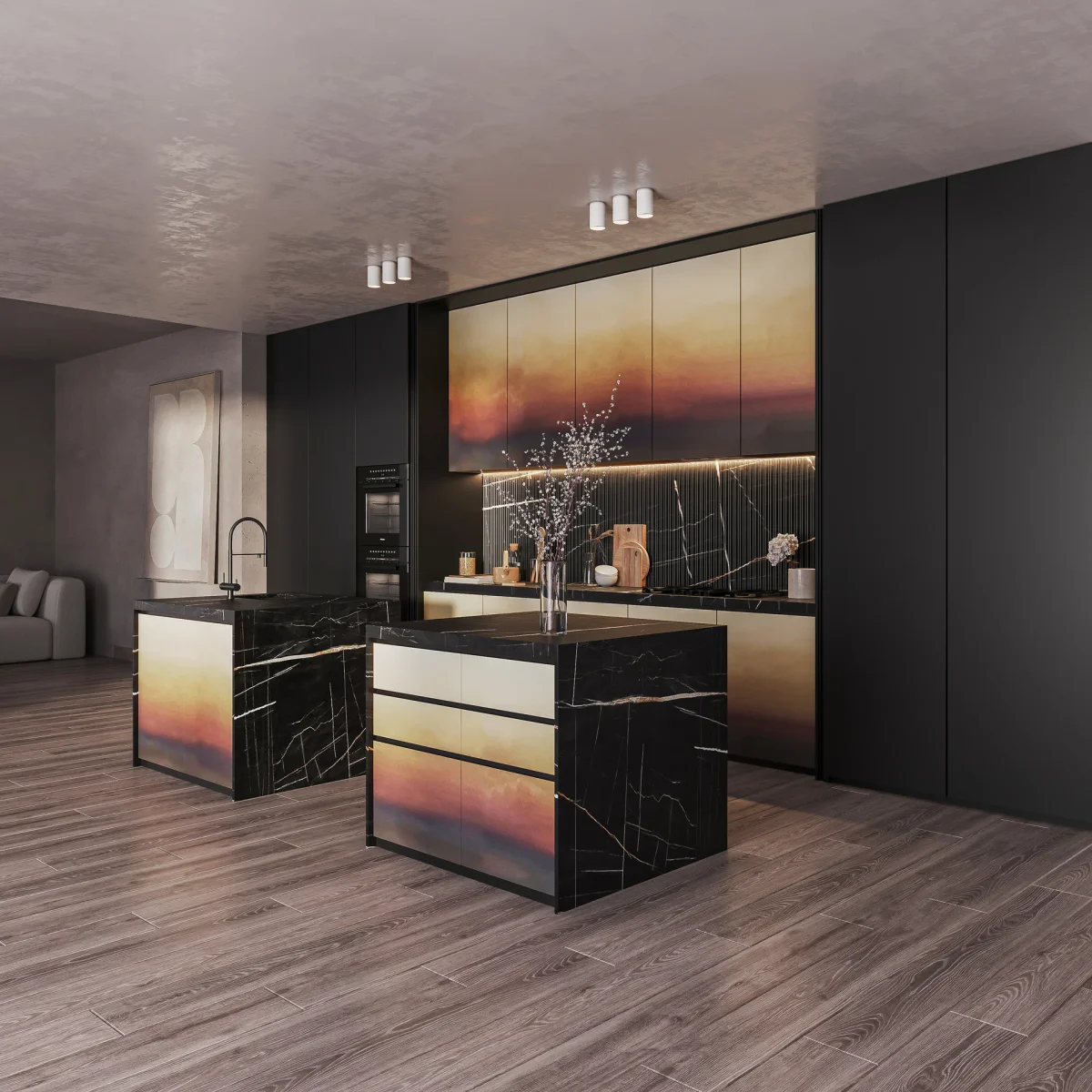
Modular kitchens use clearly defined work zones and prioritise kitchen ergonomics. Prep, cooking, and cleaning areas are arranged in a logical sequence, so movement follows a natural flow instead of feeling scattered. Counter heights, drawer placements, and storage levels are also designed to reduce strain when you use your kitchen.
The outcome is a kitchen where you take fewer steps and waste less time.
7. Resistant to Pests & Termites
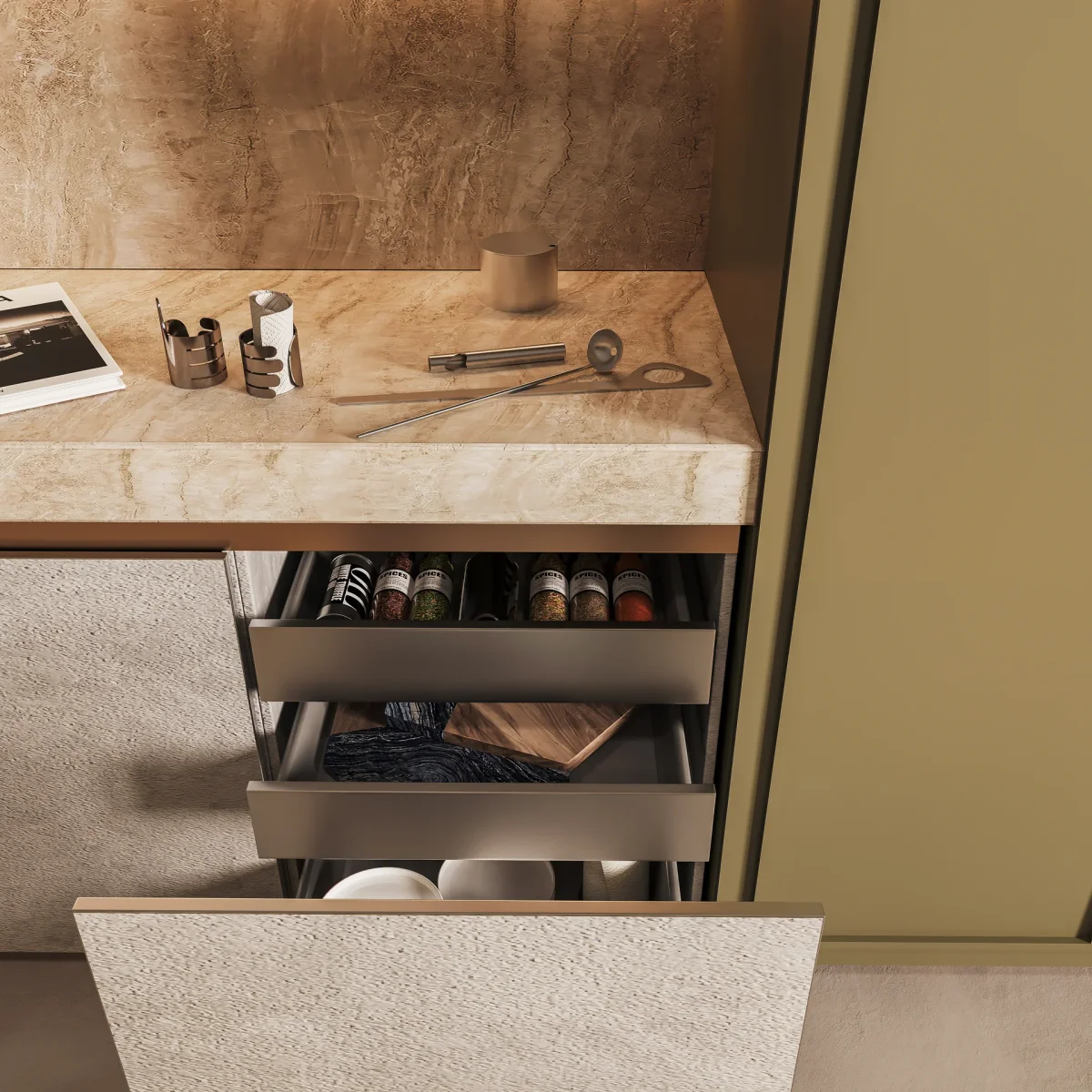
Kerala’s warmth and humidity is also a great attraction for ants, cockroaches, and termites, especially in traditional wooden kitchens where gaps and joins accumulate over time.
Modular kitchens are assembled tighter, with fewer entry points. Moreover, modular kitchen materials like 304- grade stainless steel are completely resistant to termites.
8. Built Around Your Household
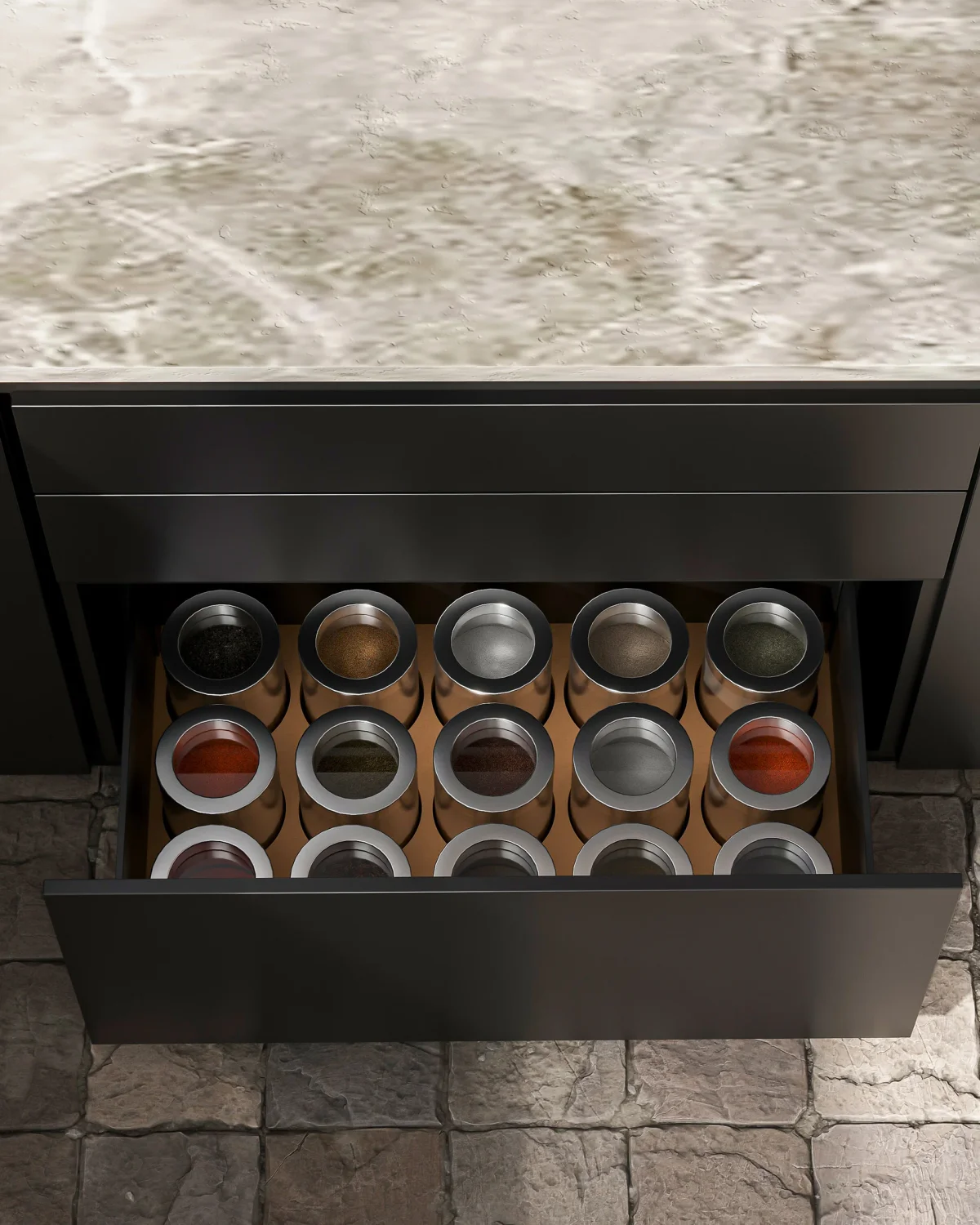
Some families store dozens of masala containers. Others have large vessels that need dedicated space. Some want a specific spot for the instant pot or the air fryer.
Traditional kitchens usually offer the same layout regardless of who’s using it. Modular kitchens, on the other hand, are fully customizable. They are designed around your cooking habits, storage needs, and lifestyle.
9. Faster to Install
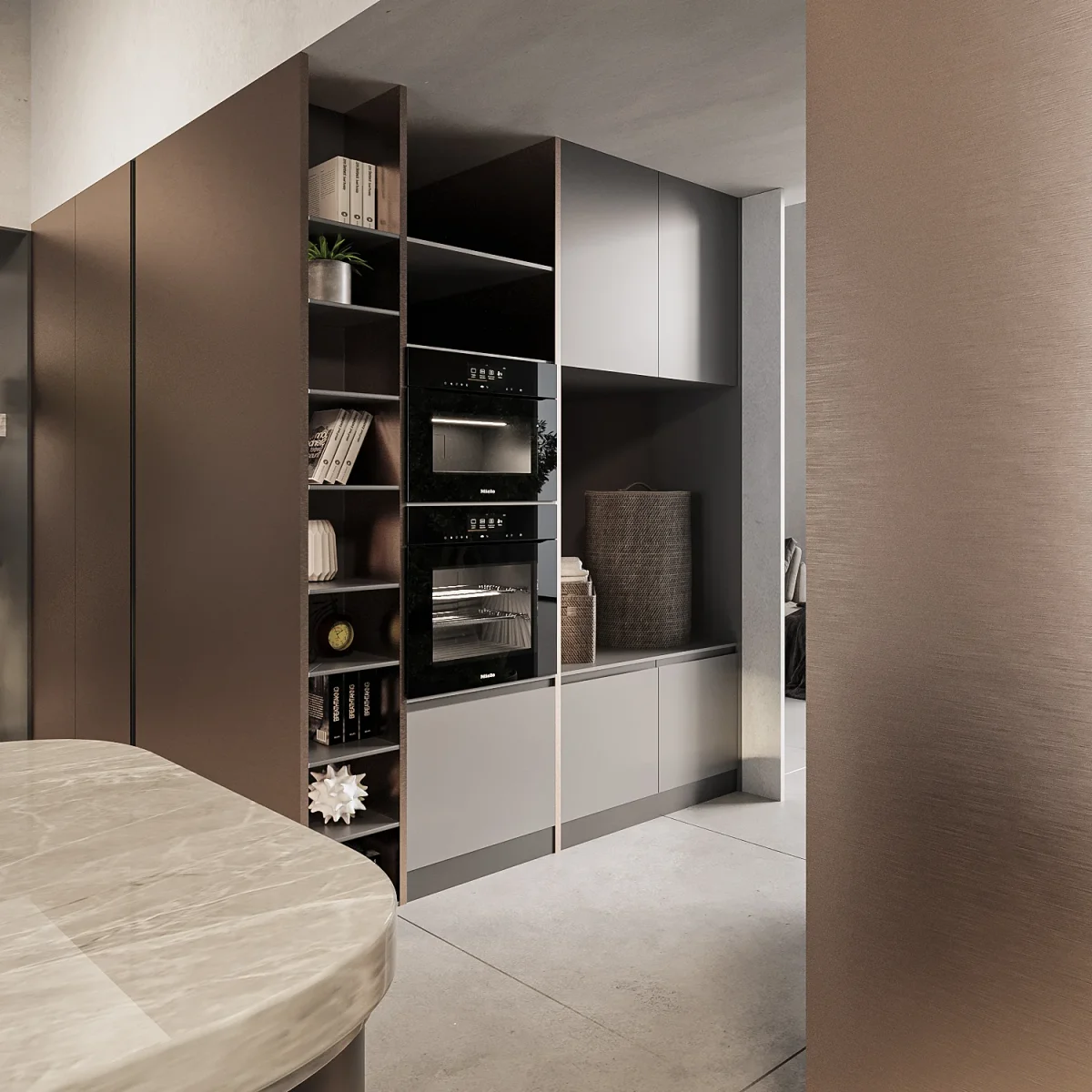
Traditional kitchen construction can drag on for weeks with constant on-site work, dust, noise, and delays.
Modular kitchens are manufactured off-site and assembled in 2 to 5 days on average. This means less disruption and a kitchen that’s ready to use much faster.
10. It Adds Real Value to Your Home
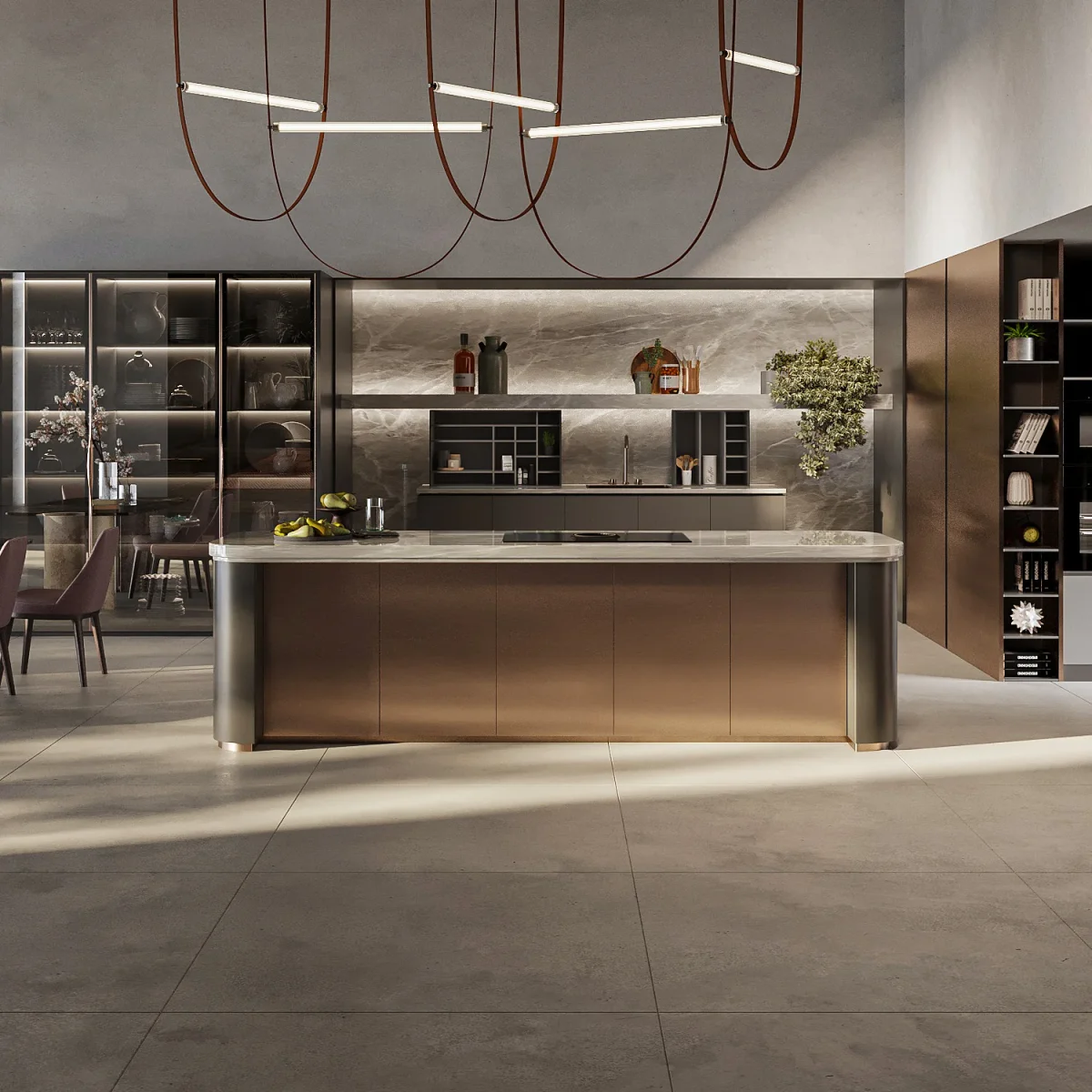
In today’s real estate market, the kitchen plays a big role in how a home is perceived. A well-designed modular kitchen instantly makes the space feel more modern, organized, and move-in ready.
In cities like Kochi or Thiruvananthapuram, this can directly impact resale value and buyer interest.
Final Thoughts
Modular kitchens didn’t start as a design trend. They came from a need to make everyday spaces more efficient, more durable, and easier to maintain.
What makes them worth considering isn’t any single feature, but how all of them come together. For a room that’s in use every single day, it’s not just a luxury, it’s a practical investment.
FAQs: Modular Kitchens in Kerala
1. How much does a modular kitchen cost in Kerala?
It depends on size, material, and finish. A basic setup starts around Rs. 1.5 to 2 lakhs. Mid-range kitchens with better hardware and finishes typically fall between Rs. 3 to 6 lakhs. Stainless steel kitchens cost more upfront but last significantly longer, making them worth considering for Kerala’s climate.
2. Which is the best modular kitchen design for a small flat in Kochi?
L-shaped and parallel layouts work best for compact apartments. They use corners efficiently without eating into floor space.
3. What is the best material for modular kitchen cabinets in Kerala?
Marine plywood and 304-grade stainless steel are the most reliable choices for Kerala’s humidity. If budget is a concern, moisture-resistant MDF is a reasonable middle-ground option.
4. Are stainless steel modular kitchens worth it in Kerala?
Yes, especially given Kerala’s humidity and termite risk. Stainless steel doesn’t warp, resists termites completely, and is easy to clean after heavy cooking. It costs more than plywood-based kitchens but holds up much better over time.
5. How long does modular kitchen installation take in Kerala?
Manufacturing and design finalisation takes around 30 to 45 days. On-site installation is typically done in 2 to 5 days. From start to finish, most modular kitchens are ready in 45 to 60 days.
6. Which modular kitchen layout is best for Kerala homes?
L-shaped layouts suit most mid-sized kitchens and apartments in Kerala. Parallel layouts work very well for narrow kitchens. U-shaped is a good option if you have more floor space and want maximum storage. An island layout works best for larger homes with an open kitchen.
7. What is the difference between a modular kitchen and a carpenter-built kitchen in Kerala?
A carpenter-built kitchen is made on-site using standard plywood and is usually cheaper upfront. A modular kitchen is factory-manufactured, uses better materials, fits together more precisely, and holds up significantly better against moisture and pests in the long run.
8. Can I get a budget modular kitchen in Kerala without compromising on quality?
Yes, if you prioritise cabinet material and hardware over finishes. These are the main factors that determine how long the kitchen will last. Simpler laminates and finishes can keep costs down without affecting durability.
9. Are modular kitchens in Kochi and Thiruvananthapuram customisable for Indian cooking?
Yes. A well-designed modular kitchen accounts for the specific demands of Indian cooking. Deep drawers for heavy vessels, a dedicated masala and dry goods zone, and proper chimney placement for the smoke and steam from daily cooking are all a part of the design from the start.
10. What are the latest modular kitchen designs in Kerala?
Current trends lean towards clean finishes, handle-less cabinets, built-in appliances, and matte laminates.
11. How do I find a reliable modular kitchen company in Kochi?
Ask to see completed projects, not just renders or showroom displays. Check how the company handles after- sales service and warranty claims. That’s crucial and worth knowing before you sign anything.
12. Is a modular kitchen a good investment for a Kerala home?
Yes, especially if you plan to stay long-term or sell the property eventually. A modular kitchen holds up better, needs fewer repairs, and makes the home more appealing to buyers.
13. Can modular kitchens be moved if I relocate within Kerala?
Yes. Most modular kitchens can be dismantled and reinstalled in a new space. You may need minor adjustments depending on the new kitchen dimensions, but the core units are reusable.
14. Do modular kitchens work for traditional Kerala homes too?
Yes. Modular kitchens are perfect for larger, traditional layouts as well. The customisation options mean the kitchen can be built around the actual space and cooking needs of the household rather than a standard configuration.