
Stainless Steel vs Wooden Modular Kitchen: Which Is Better?
Confused between stainless steel vs wooden modular kitchen? Learn which material is best for modular kitchen based on durability, design, maintenance, price and long-term value.

If you’re planning a kitchen, this question always comes up:
Stainless steel vs wooden modular kitchen: which one is actually better?
Let’s simplify this the way you’d explain it to someone sitting next to you.
There is no “one-size-fits-all” answer.
It depends on how you use your kitchen, what you value more, and how long you want it to last.
First, Understand the Two Materials
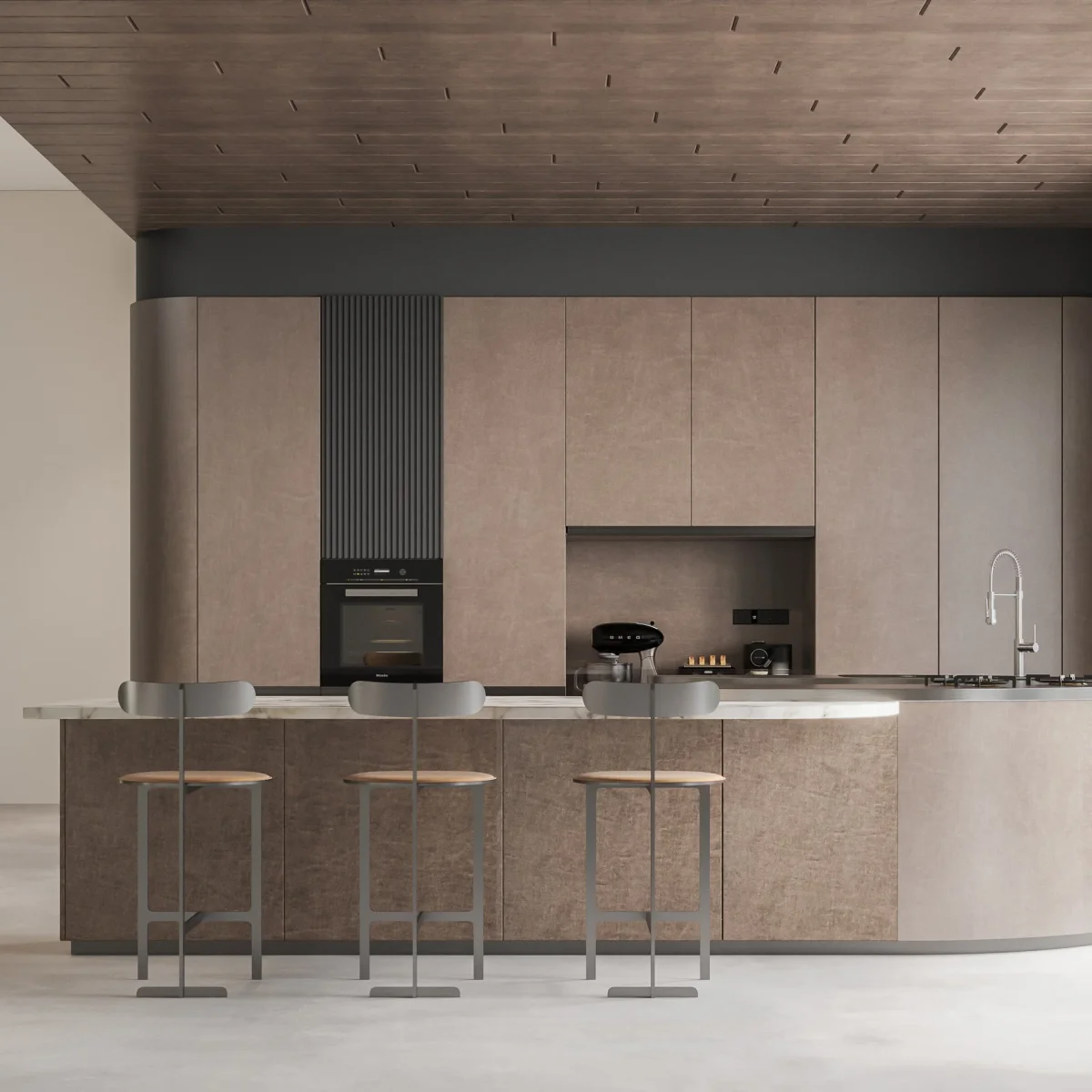
Stainless Steel Modular Kitchen
This is made using high-grade steel (usually SS 304/316), designed for durability and performance.
- Non-porous surface
- Resistant to water, heat, and corrosion
- Common in professional kitchens
It’s built for performance first.
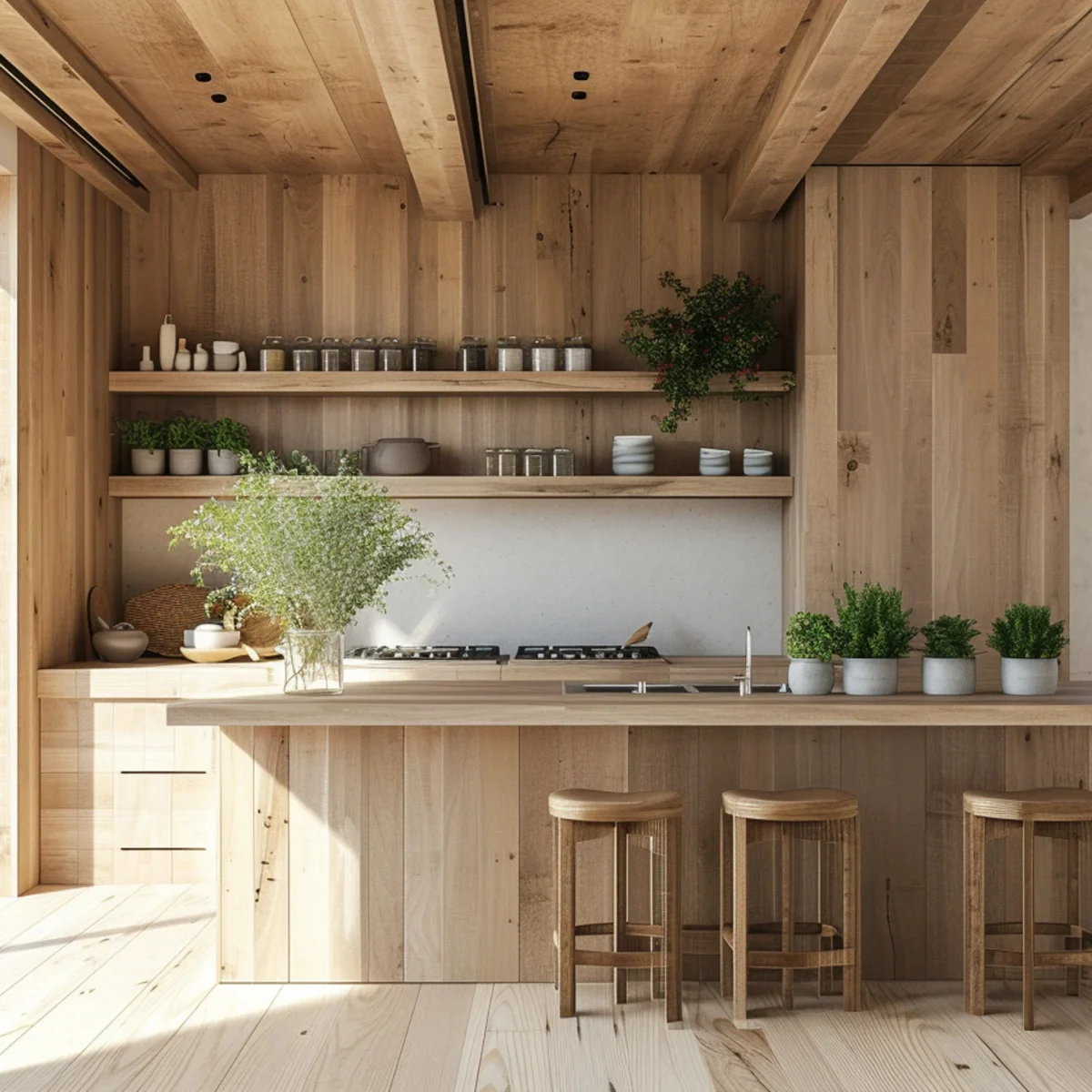
Wooden Modular Kitchen
This includes materials like:
- Plywood
- MDF / HDF
- Particle board
- Solid wood
It’s built for aesthetics and customisation.
Stainless Steel vs Wooden Modular Kitchen (Core Difference)
Think of it like this:
- Steel = performance, durability, hygiene
- Wood = aesthetics, flexibility, warmth
Now let’s break it down properly.
1. Durability (This Is Where the Biggest Difference Lies)
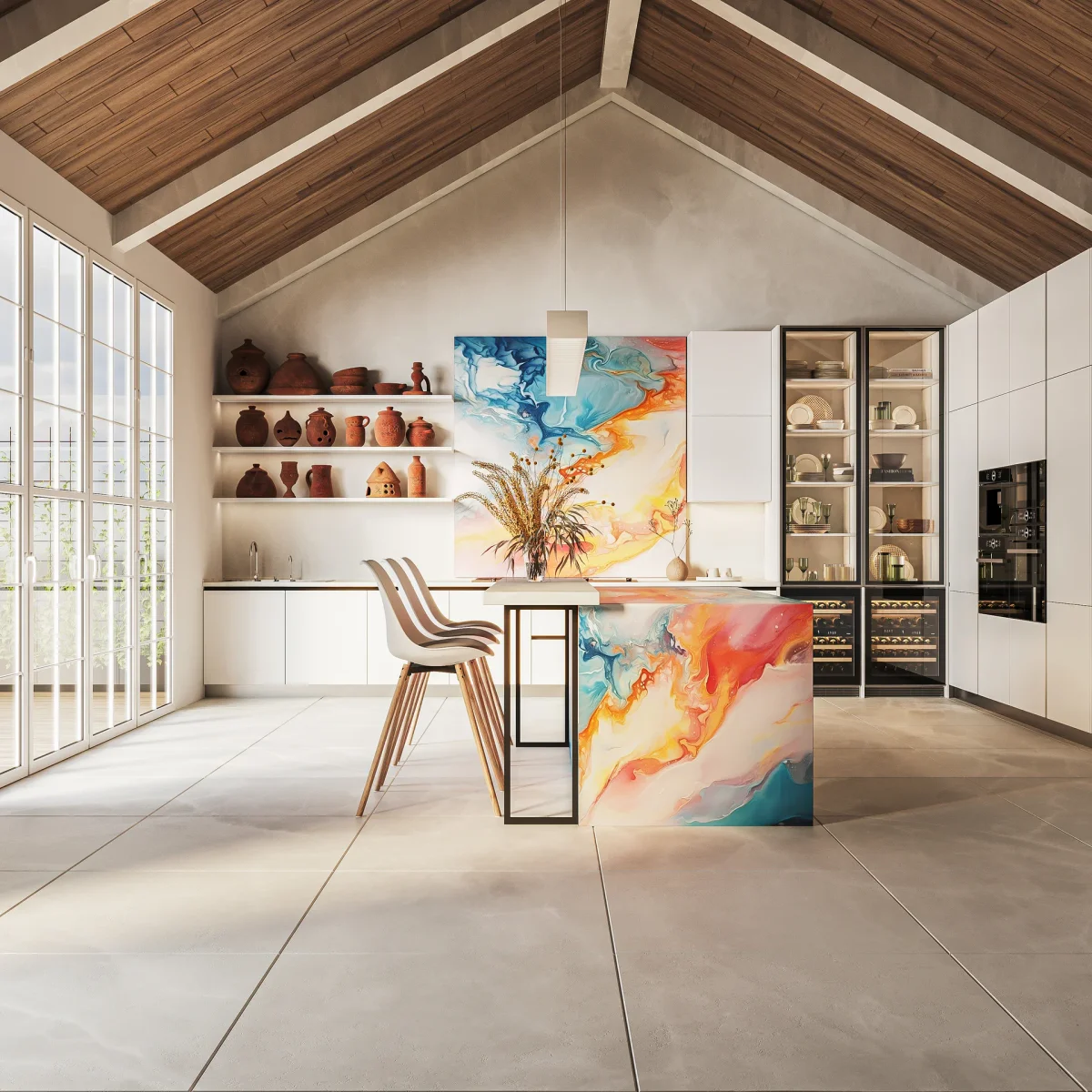
If durability is your top priority, steel clearly leads.
- Stainless steel does not warp, crack, or swell
- It can last 20–30+ years with minimal change
- Handles heavy utensils and rough usage easily
Wood, on the other hand:
- Can expand or warp with moisture
- Can weaken over time, depending on the material quality
- Typically lasts 10–20 years with maintenance
If you want something long-term and low-risk → steel wins.
2. Moisture, Heat & Indian Cooking Conditions
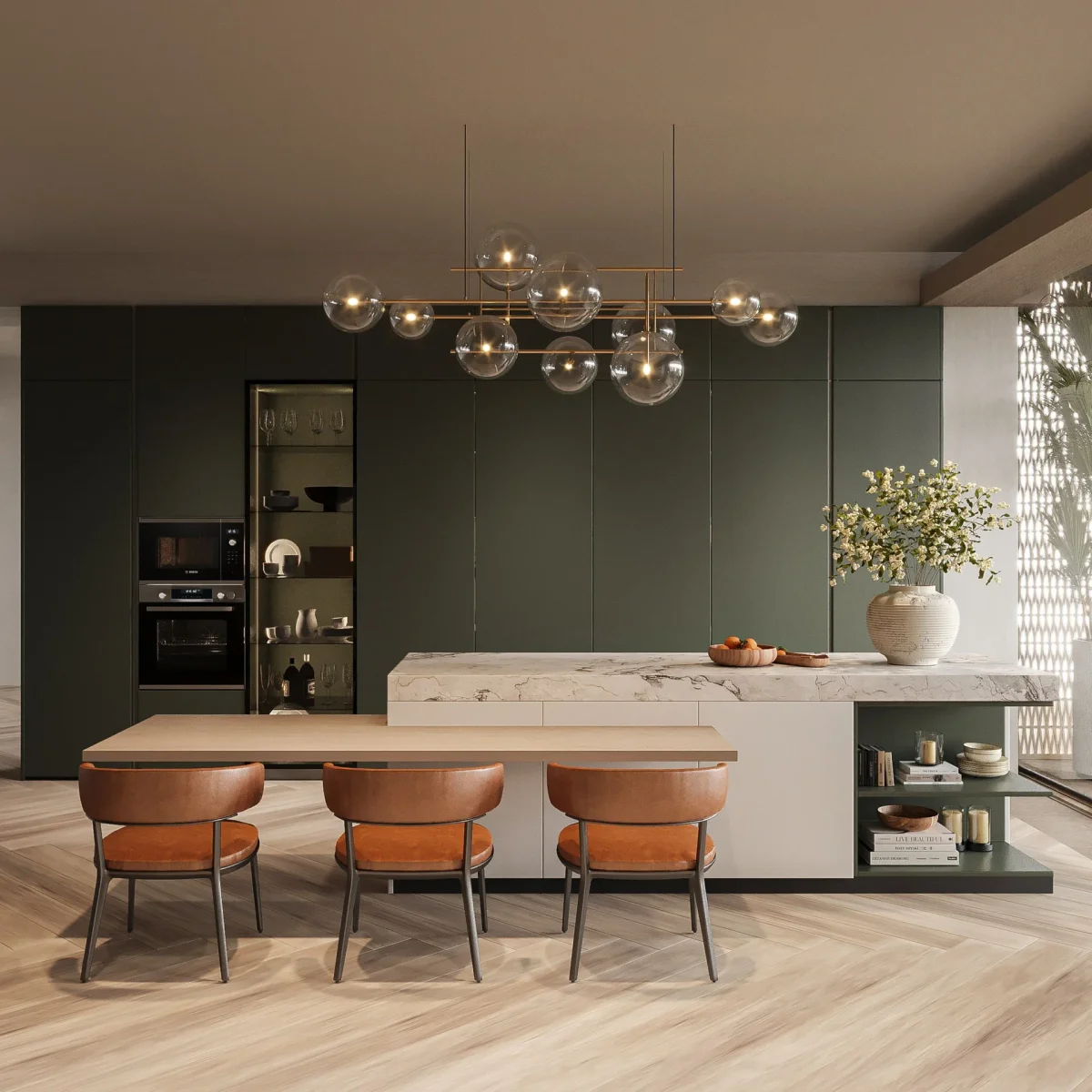
This is where things get very real.
Indian kitchens deal with the following:
- Steam
- Oil
- Heat
- Humidity
Stainless steel:
- 100% water-resistant
- Doesn’t absorb moisture
- Doesn’t react to heat
Wood:
- Can swell near sink areas
- Needs protective finishes
- Performance depends heavily on material quality
For Indian cooking conditions, steel is naturally more stable.
3. Termites, Pests & Hygiene
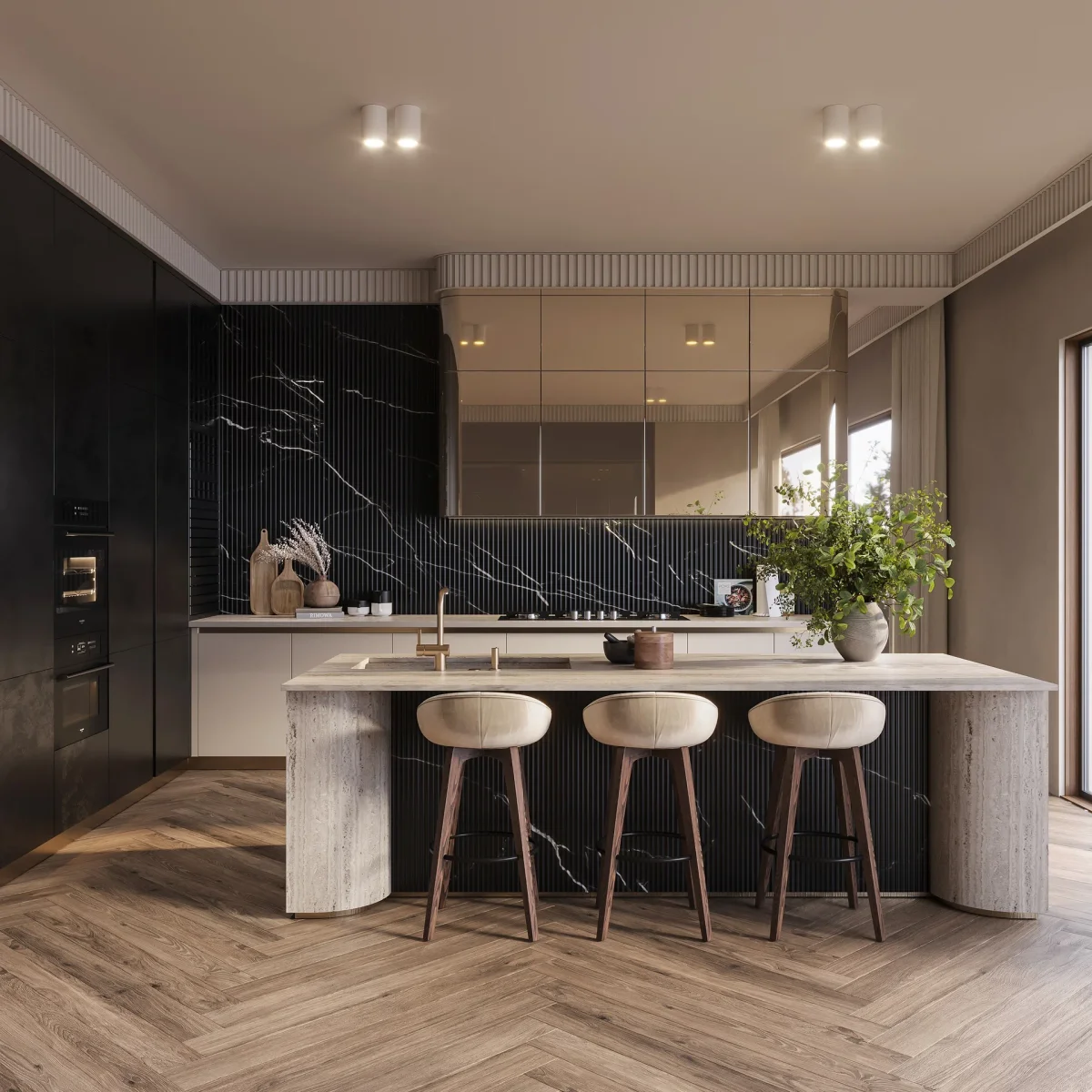
This is often ignored, but it matters.
Stainless steel:
- Completely termite-proof
- Non-porous → doesn’t hold bacteria or odours
Wood:
- Needs termite treatment
- Can attract pests if not maintained
- Can absorb moisture and smell
If hygiene and low maintenance matter → steel is clearly better.
4. Maintenance (What You’ll Deal With Daily)
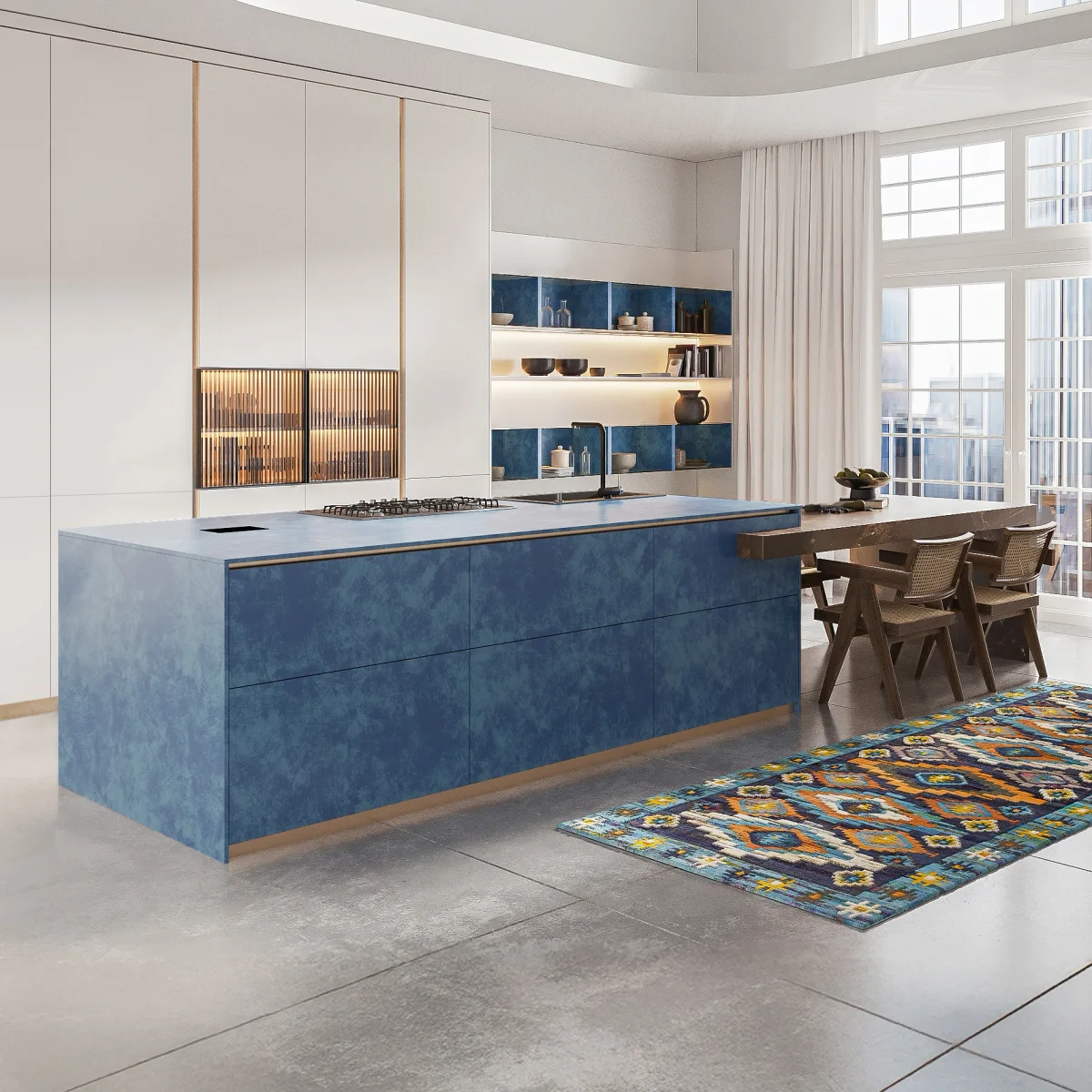
Let’s keep this practical.
Stainless steel:
- Just wipe and clean
- No polishing, no treatment
- No long-term maintenance
Wood:
- Needs periodic care
- Requires polishing or refinishing
- Sensitive to water exposure
Steel is low effort. Wood needs care.
5. Aesthetics & Design Flexibility
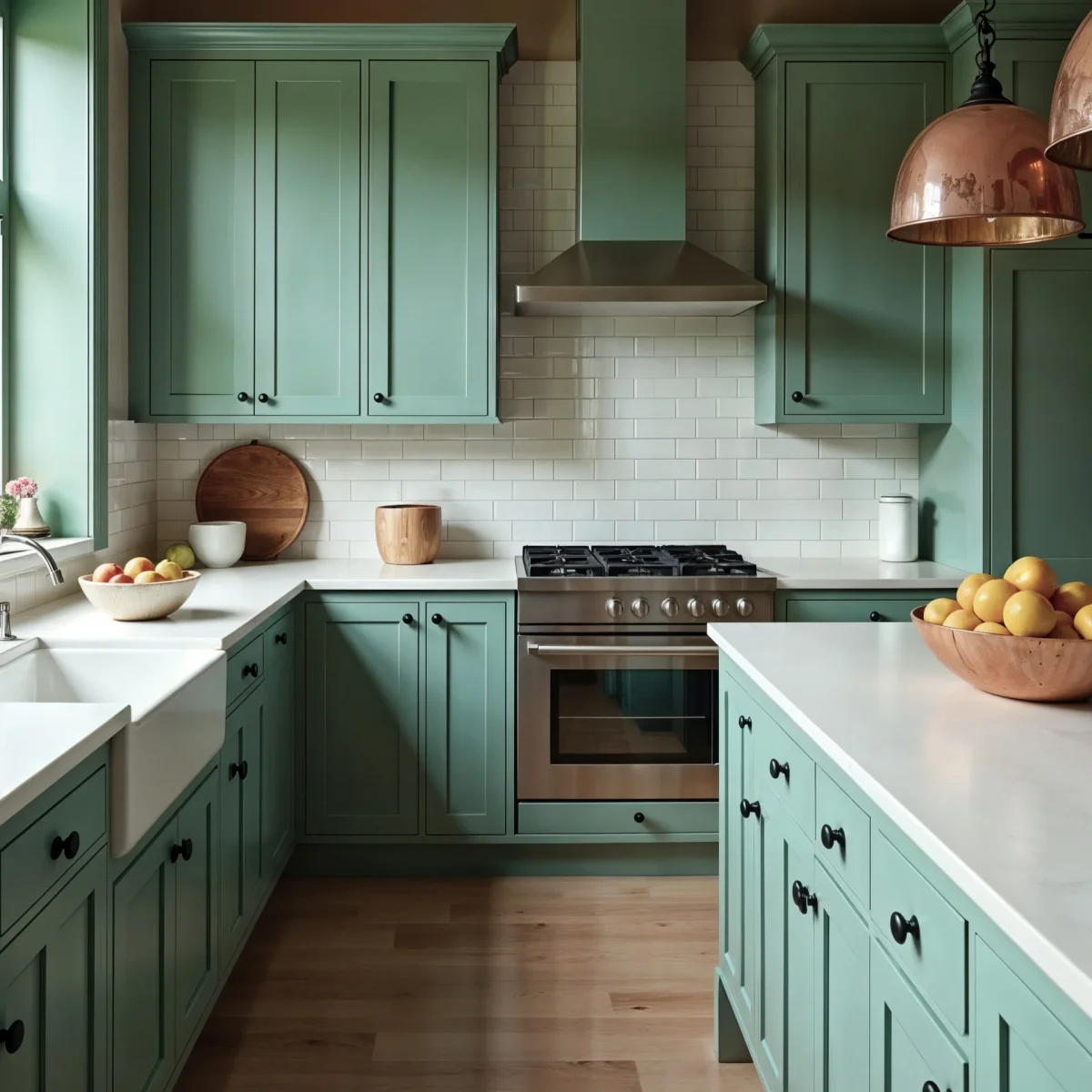
Now this is where wood dominates.
Wooden modular kitchens:
- Warm, natural feel
- Endless finishes (laminate, acrylic, PU)
- Matches any interior style
Stainless steel:
- Sleek and modern
- Limited textures and finishes
- Slightly industrial look
If visual appeal is your priority → wood wins.
6. Customisation & Design Freedom
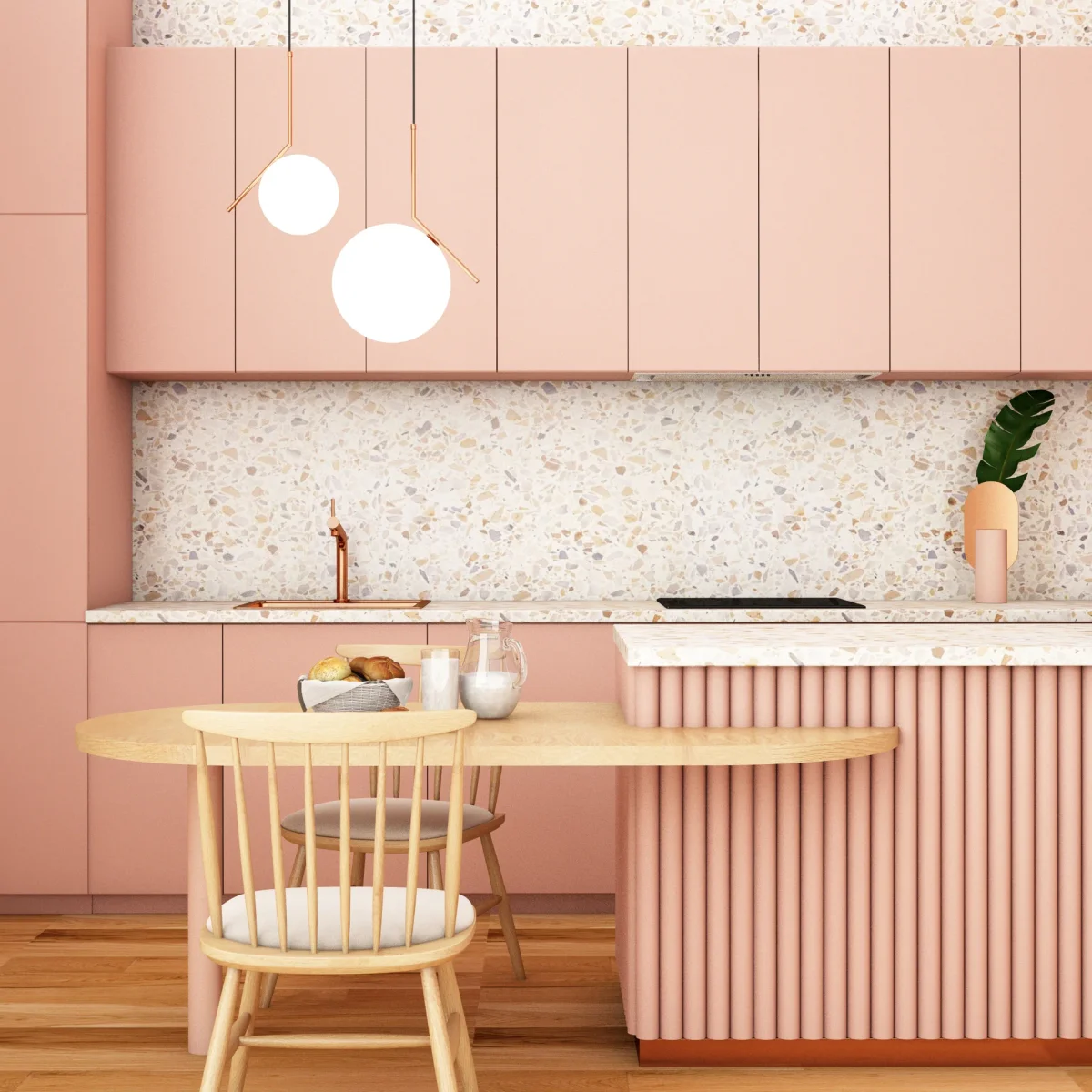
Wood allows:
- Curves, textures, patterns
- Different colors and finishes
- Traditional + modern styles
Steel:
- More structured
- Limited customisation in comparison
For design flexibility → wood is better.
7. Strength & Load Capacity
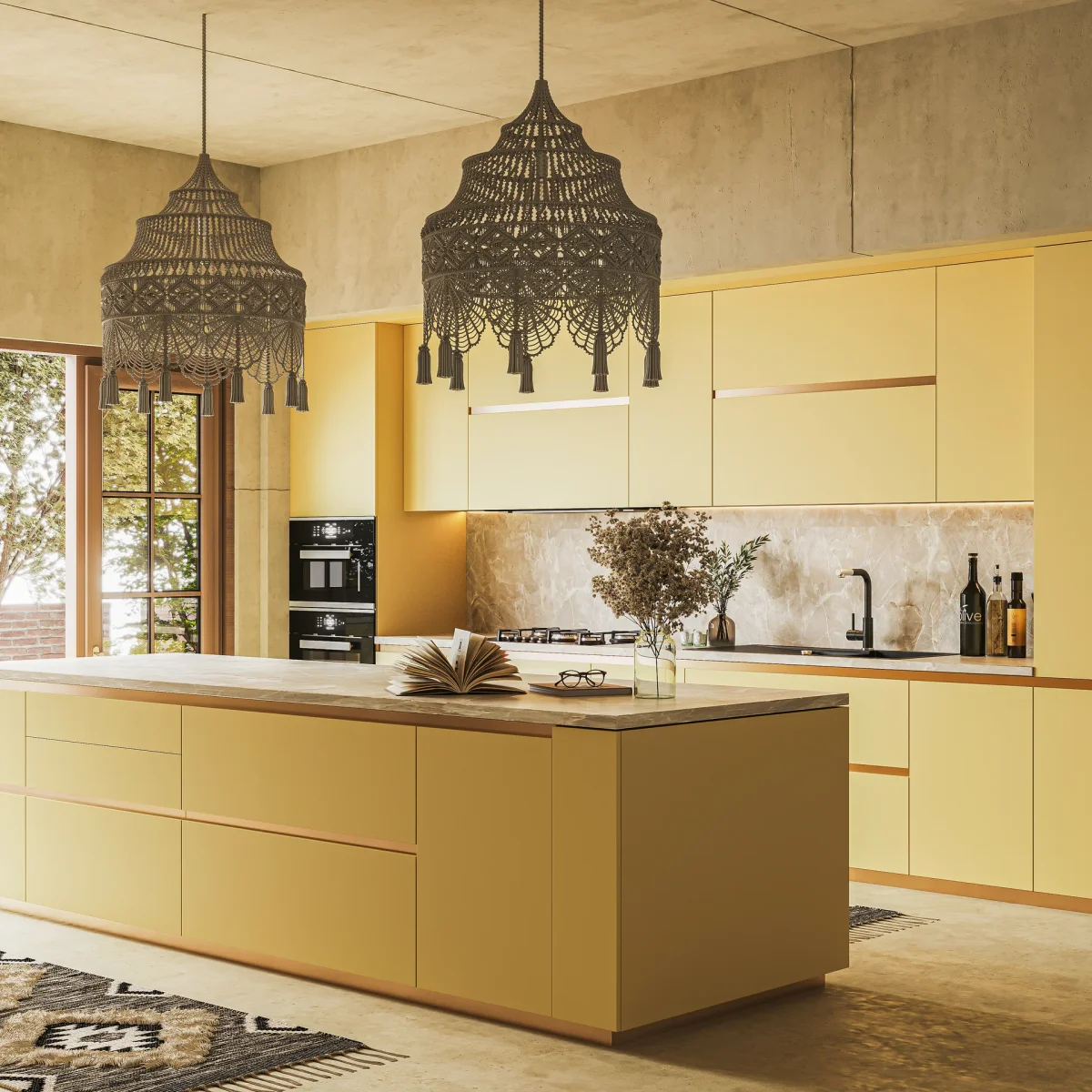
Both materials are strong, but in different ways.
- Steel: Handles heavy loads easily, doesn’t deform
- Wood: Strong, but it depends on the material (solid wood is much sturdier)
For heavy-duty use → steel is more reliable.
8. Sustainability & Longevity
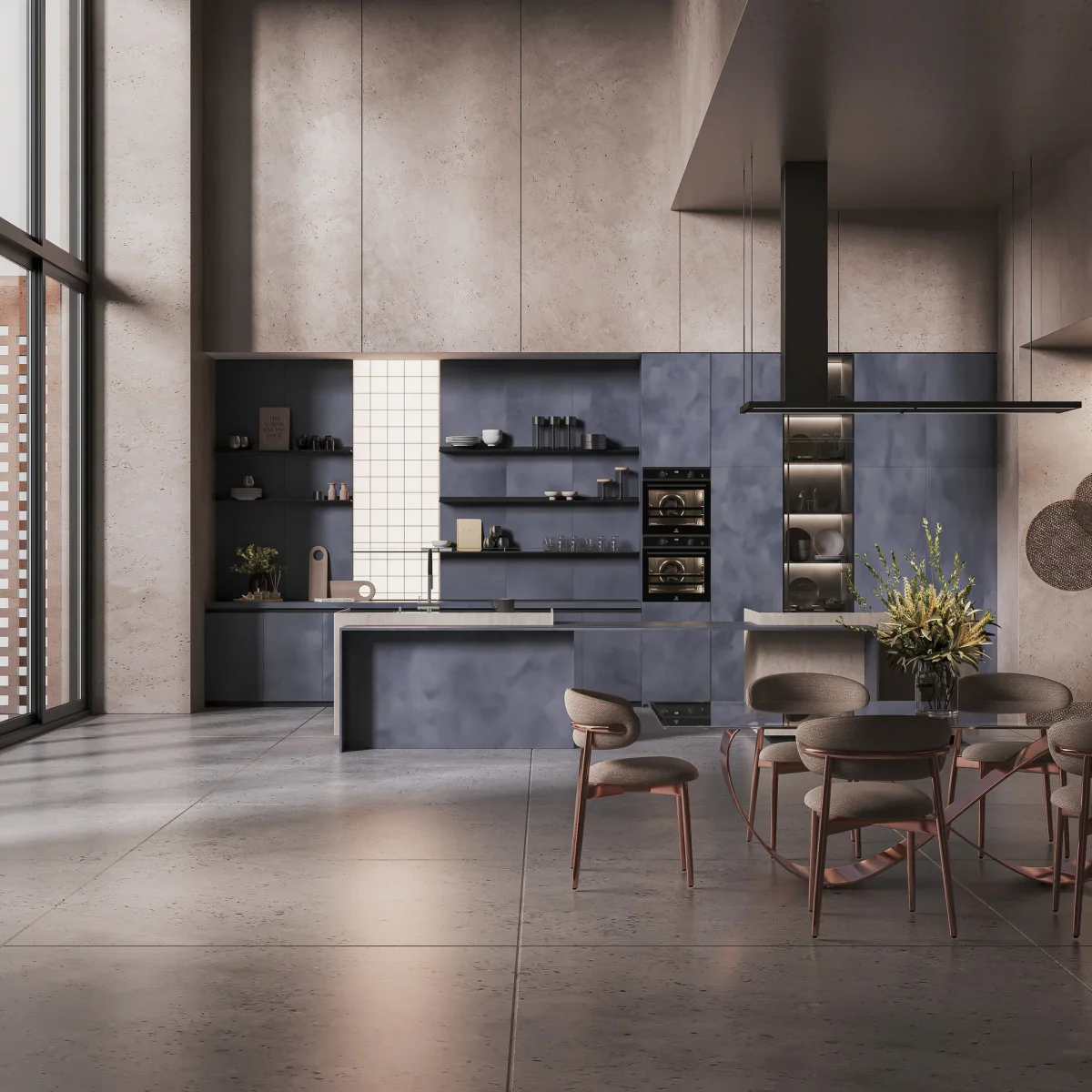
Stainless steel:
- 100% recyclable
- Long lifecycle
- Less replacement needed
Wood:
- May involve deforestation (unless responsibly sourced)
- Needs replacement/repair over time
Steel is more sustainable in the long run.
9. Market Trend (What People Are Choosing)
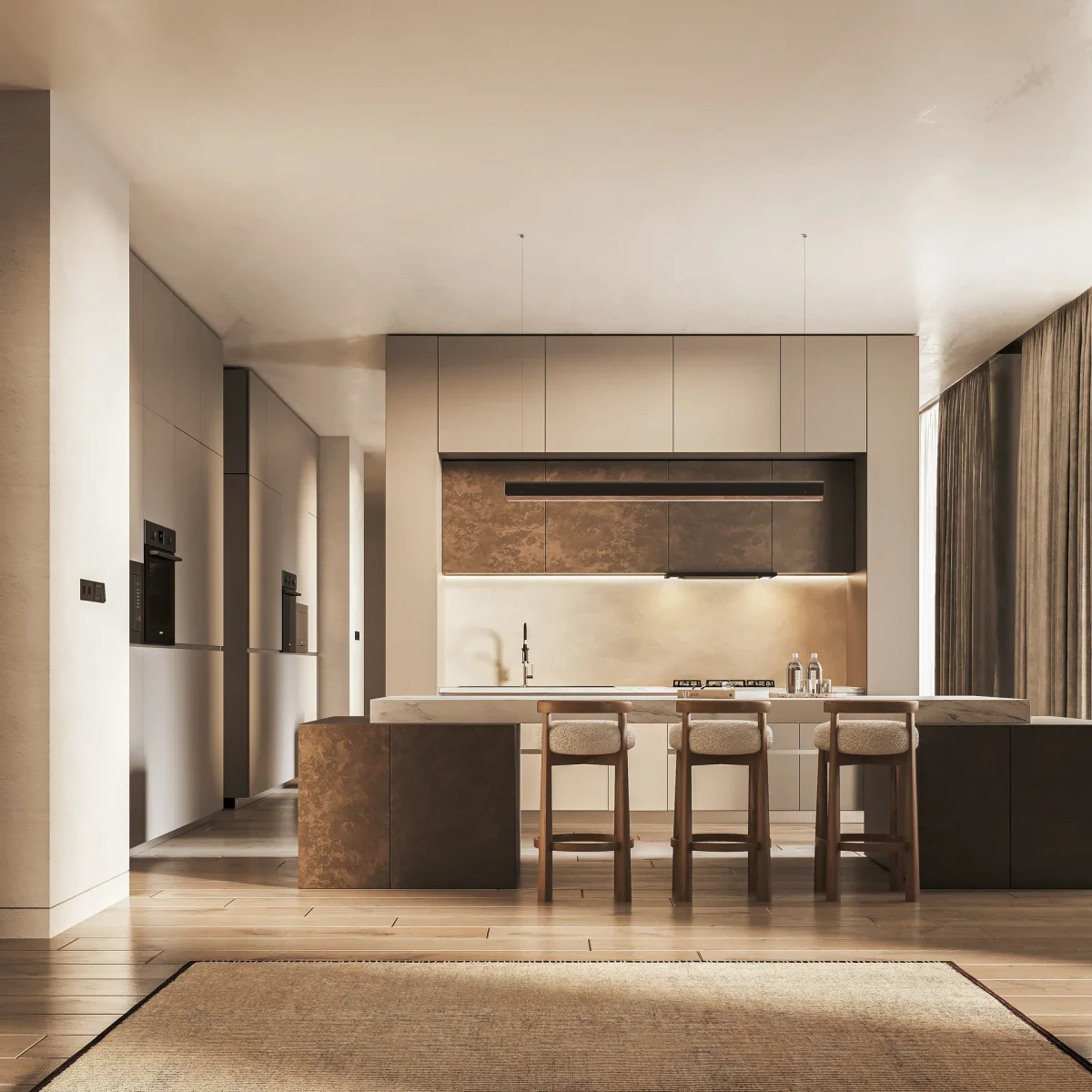
- Around 58% of urban Indian homeowners are now considering stainless steel kitchens
- In some cities, steel kitchens dominate new installations
The shift is happening because people are prioritising durability over just looks.
10. Let’s Talk About Price
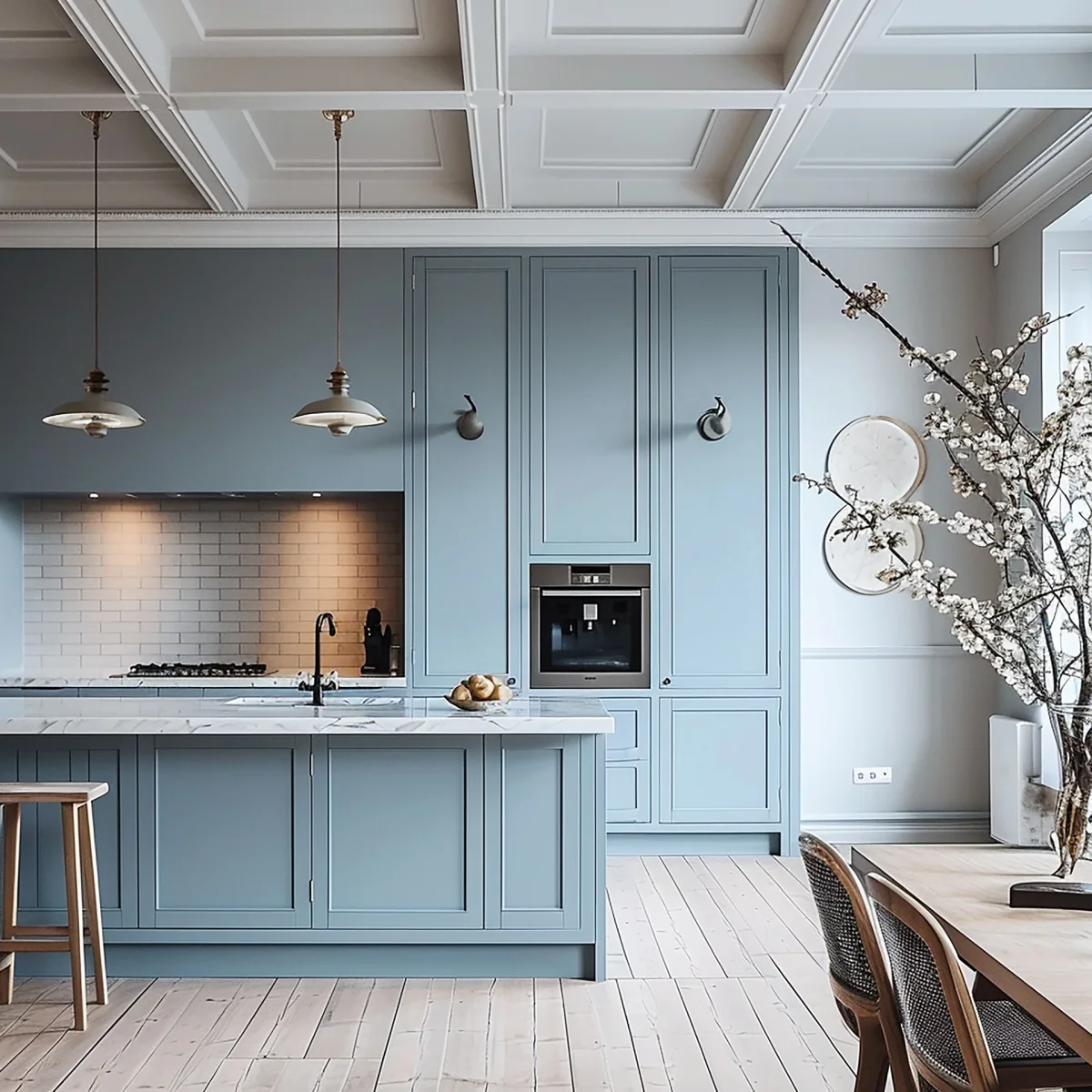
Even though we’re not focusing on pricing, this matters for decision-making.
- Stainless steel kitchens are typically 25–40% more expensive than standard wooden kitchens initially.
- This cost difference reduces to 15–20% if you use solid, good-quality wood for your kitchen.
But here’s the catch:
- Steel lasts longer
- Requires almost no maintenance
- Doesn’t need replacement or repair
So, upfront vs long-term value is where the real comparison lies.
So, Which Material Is Best for a Modular Kitchen?
Let’s answer the real questions directly:
Which material is best for a modular kitchen?
- Best overall performance: Stainless steel
- Best for design & aesthetics: Wooden kitchen
For a modular kitchen, which material is best?
- If you want low maintenance + durability → Stainless steel
- If you want design + customisation → Wood
Which material is used in modular kitchens?
Most modern kitchens use:
- Plywood (most common)
- MDF / particle board (budget options)
- Stainless steel (premium, long-term solution)
Final Verdict (Simple Way to Decide)
Choose a stainless steel modular kitchen if:
- You want long-term durability
- You don’t want maintenance
- You cook heavily and daily
- You want hygiene and performance
Choose a wooden modular kitchen if:
- You care about aesthetics
- You want design flexibility
- You prefer a warm, home-like look
The Real Answer
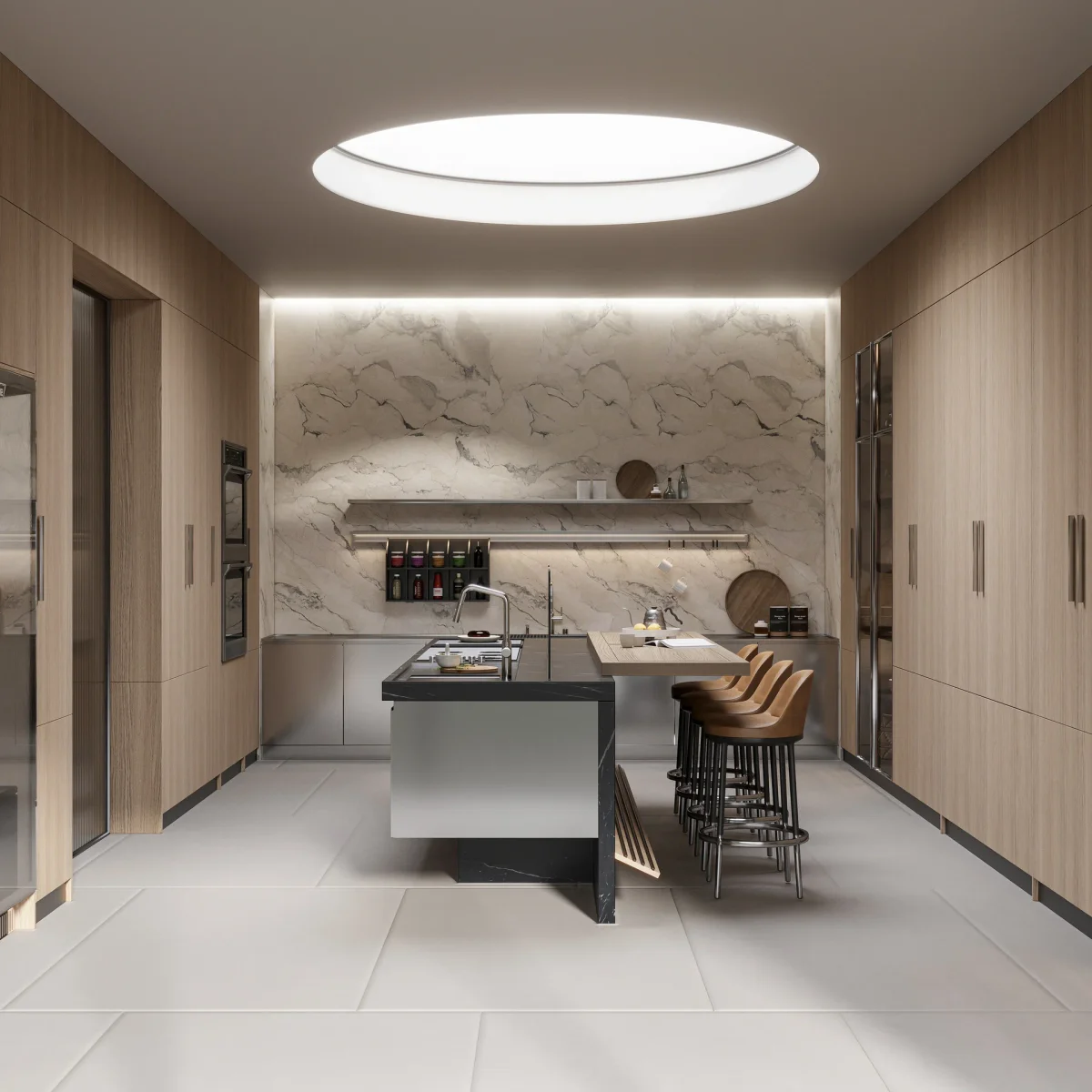
The debate of stainless steel vs wooden modular kitchens is not about which is better.
It’s about what matters more to you:
- How it looks → Wood
- How it performs → Steel
And once you’re clear on that, the decision becomes very simple.