
Common Modular Kitchen Mistakes to Avoid
Avoid common modular kitchen mistakes by planning the right layout, storage, lighting, materials, and appliances for a functional kitchen.

Planning a kitchen is exciting: new cabinets, a fresh layout, better storage. But it’s also where a lot of homeowners end up making mistakes without realising it until much later. Even a well-designed, premium modular kitchen can feel frustrating to use if small things like layout, storage, or lighting weren’t thought through properly.
In this article, we’ve put together some of the most common modular kitchen mistakes homeowners make, so you can avoid them before finalising your own design.
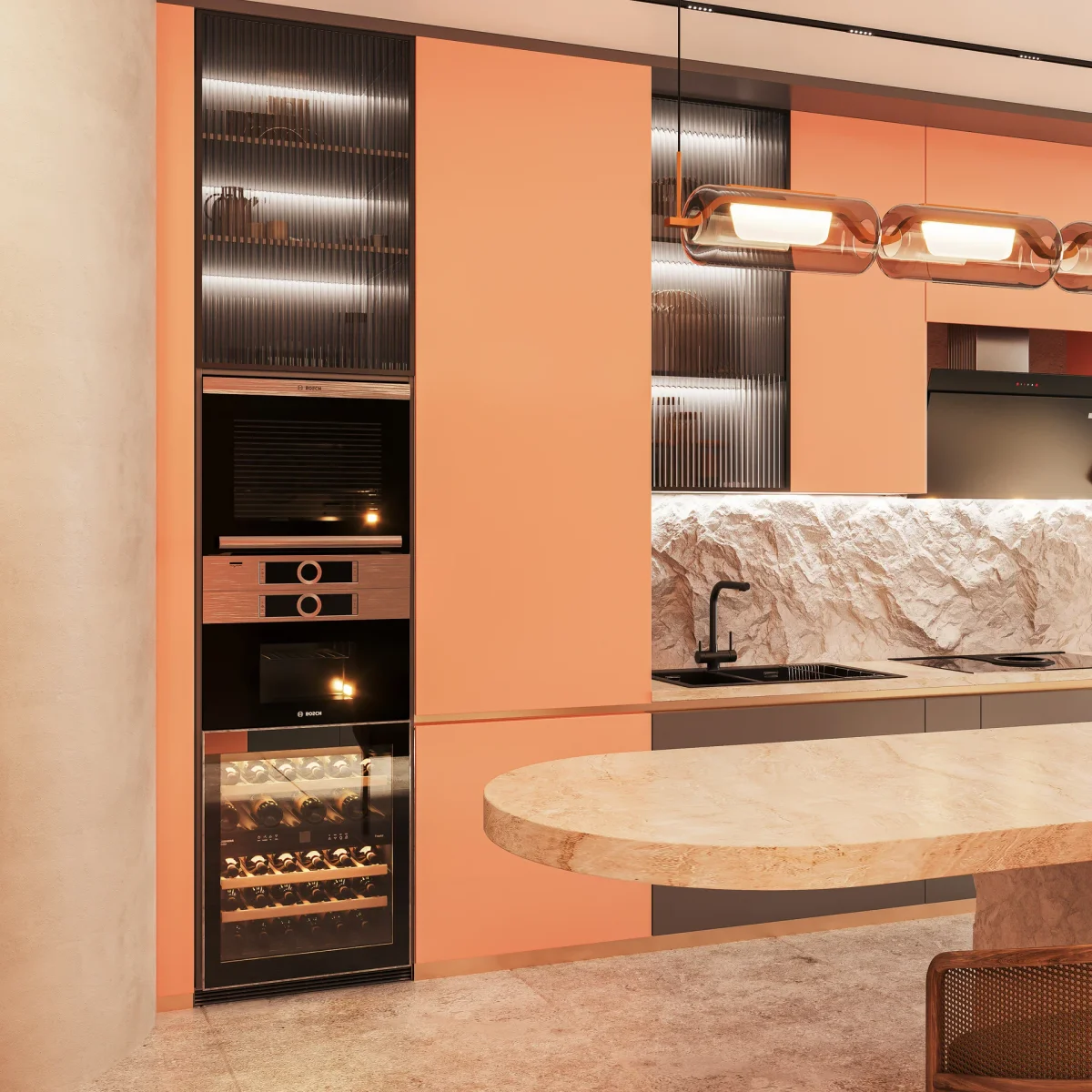
1. Starting Without an Understanding Your Lifestyle
Every household uses their kitchen differently. A family that cooks elaborate meals every day will have different requirements than one that cooks occasionally.
Before finalising your design, think about:
- How many people use the kitchen at the same time
- The appliances you use regularly
- Your storage requirements
- Whether you entertain guests often
A kitchen that’s designed around your lifestyle will perform much better than any Pinterest template or trend.

2. Choosing the Wrong Kitchen Layout
The layout of your kitchen will determine how comfortable it’ll be to use. Selecting a layout without considering your available space can make the kitchen feel cramped or inefficient.
It’s best to choose a layout that pairs well with your floor plan. This should provide you with enough movement space while keeping all the essential work areas easily accessible.
Common layout options include L-shaped, C-shaped, linear, parallel, island, and peninsula kitchens.
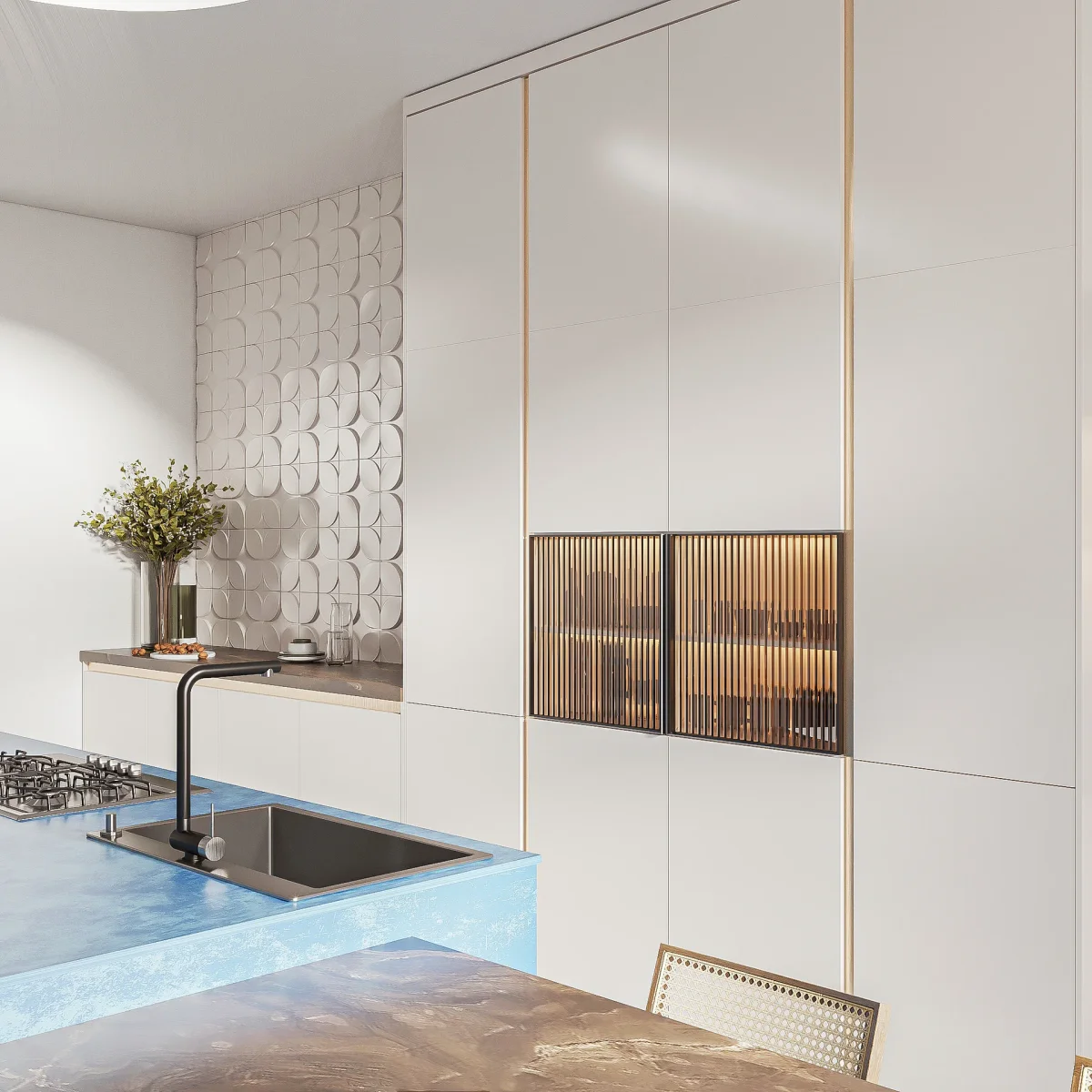
3. Ignoring the Work Triangle
The kitchen work triangle refers to the distance between your cooktop, sink and refrigerator. They’re the three most frequently used areas in any kitchen.
When these elements are placed too far apart or too close together, cooking becomes difficult and time-consuming. A balanced work triangle reduces unnecessary movement and improves overall workflow in your kitchen.
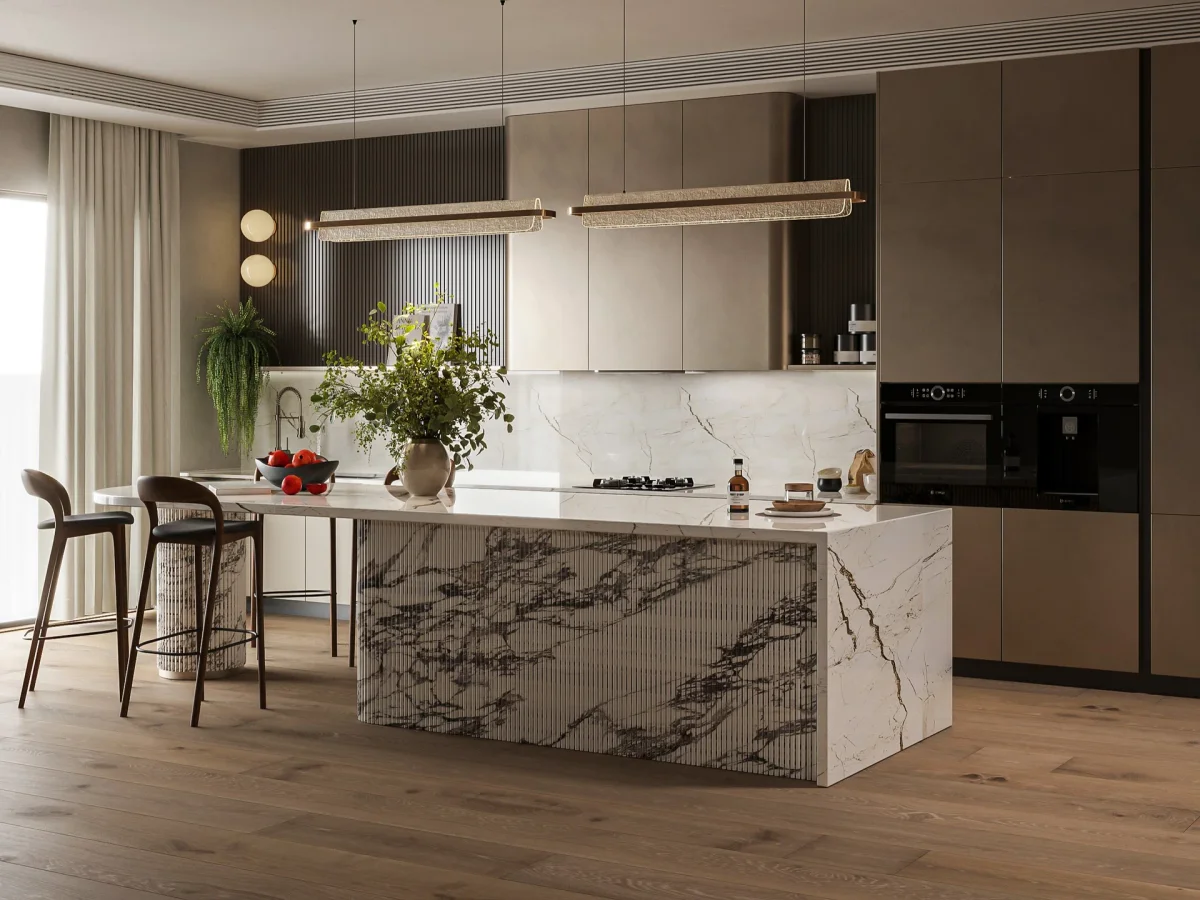
4. Not Planning Enough Countertop Space
When homeowners plan a kitchen renovation, cabinets often receive all the attention, and countertops tend to become an afterthought.
But the truth is, you need to have sufficient room on your counter for food preparation, small appliances, and serving dishes. Limited work surfaces quickly become cluttered and make cooking less enjoyable.
For maximum convenience, keep the countertop areas near your sink and cooktop uninterrupted.
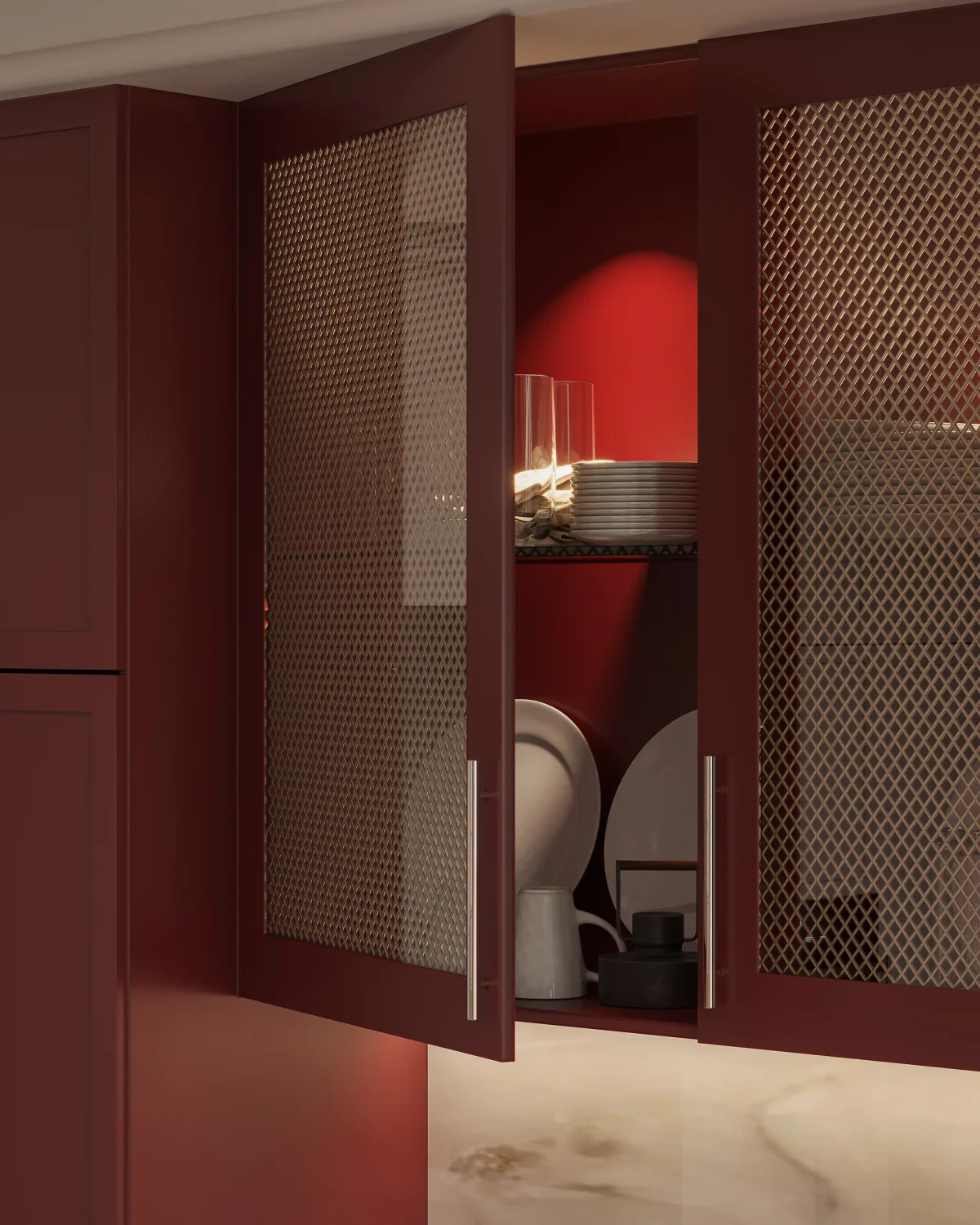
5. Choosing Cabinet Materials Based Only on Price
Cabinet materials directly affect the durability and maintenance of your kitchen.
Low-cost materials may deteriorate when exposed to kitchen challenges like moisture, heat, or pests. Using high-quality materials like 304-grade stainless steel, which is designed to resist these challenges, can reduce repairs and extend the life of your kitchen by decades.
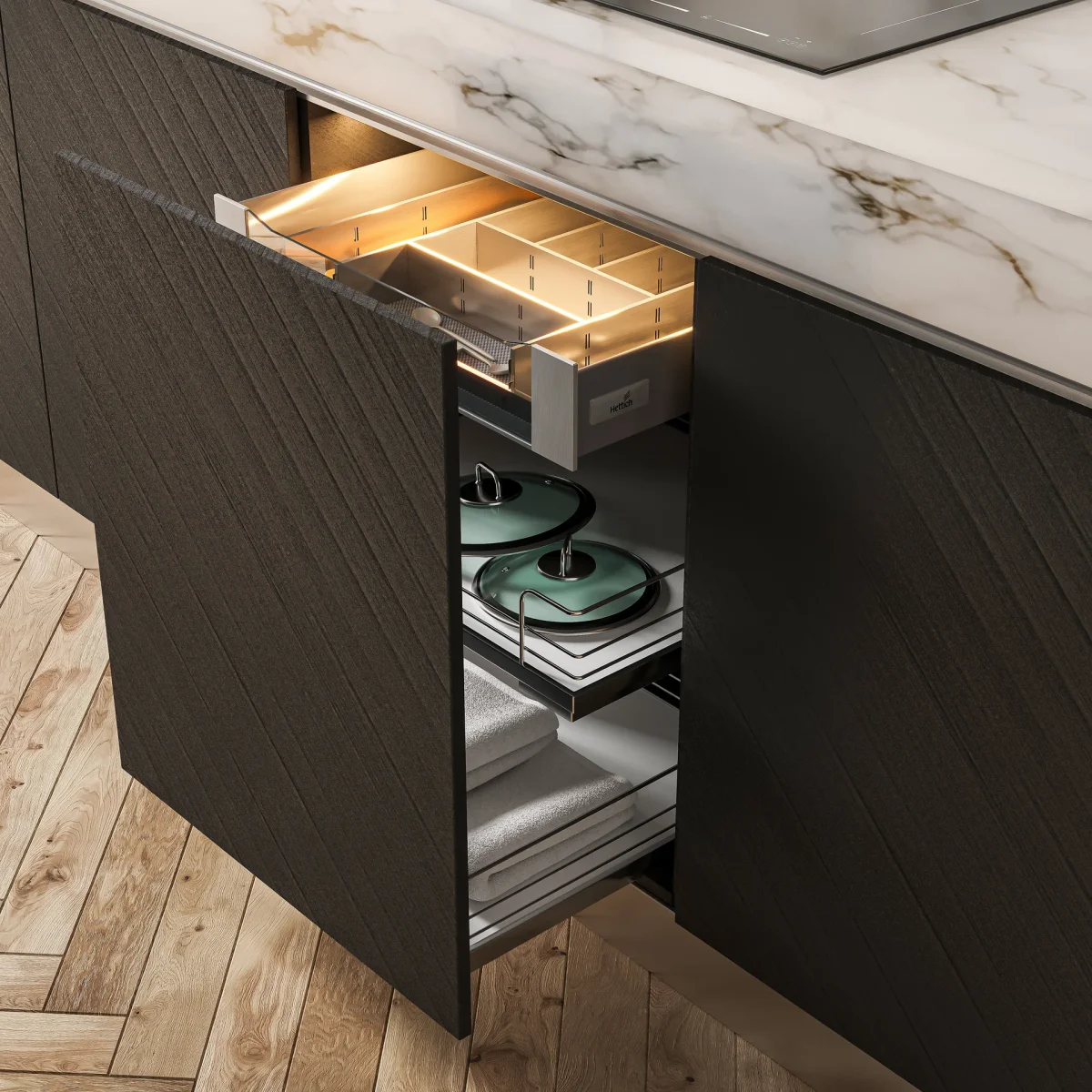
6. Overlooking Hardware Quality
Hardware is the foundation of your kitchen’s functionality. It includes components like hinges, drawer channels, lift mechanisms, and other fittings that allow your cabinets and drawers to open and close smoothly.
Since most of this hardware isn’t visible, many homeowners choose lower-cost options to save money. However, poor-quality hardware wears out faster, resulting in loose cabinet doors, sticking drawers, and reduced functionality over time. Purchasing high-quality hardware guarantees smoother operation and greater durability for your kitchen.
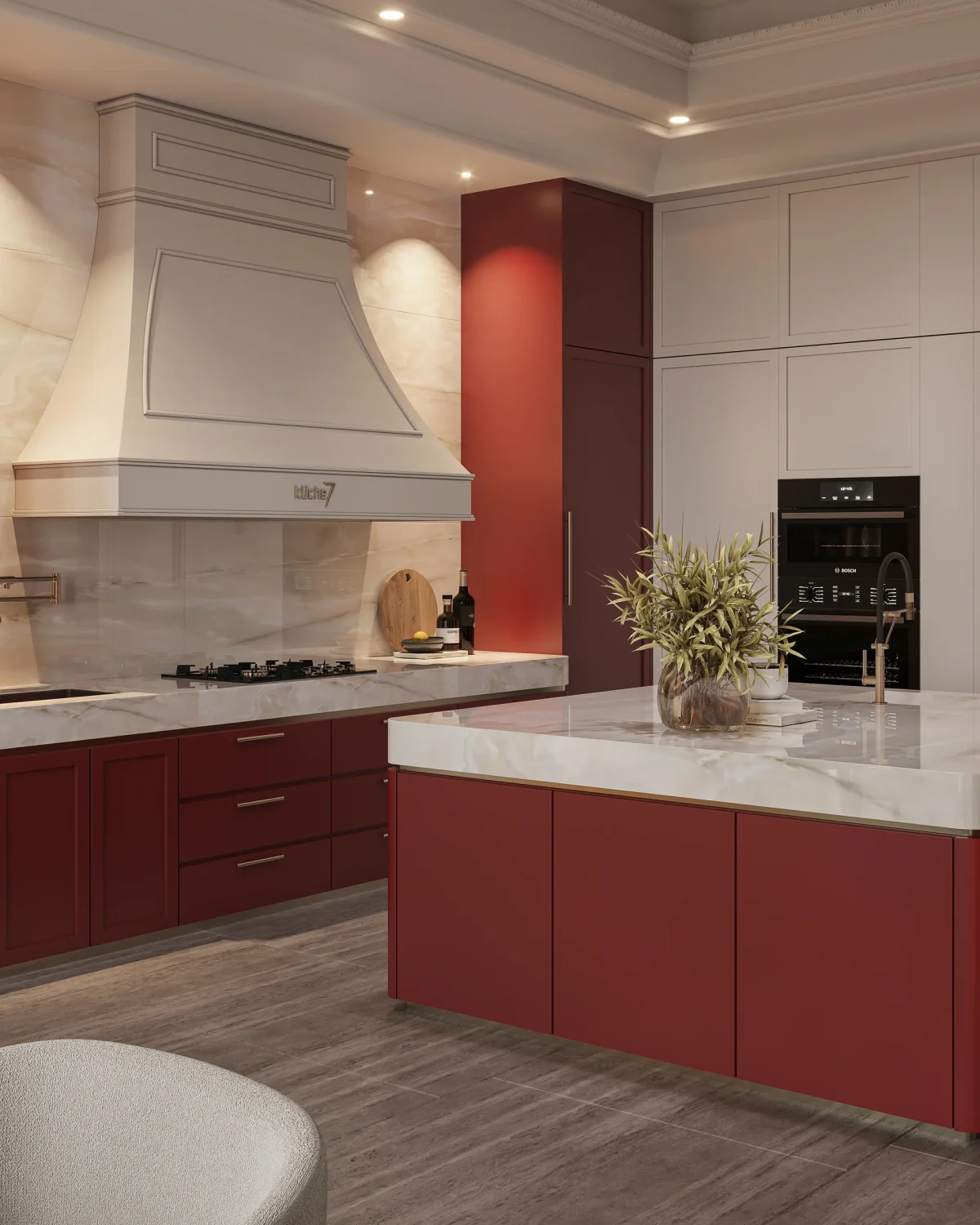
7. Forgetting About Ventilation
Without proper ventilation, the heat, smoke and moisture from cooking can leave greasy residue on your kitchen cabinets and walls.
A good chimney helps keep your kitchen cleaner by removing smoke, grease and moisture from the air before they settle on your cabinets and other surfaces.
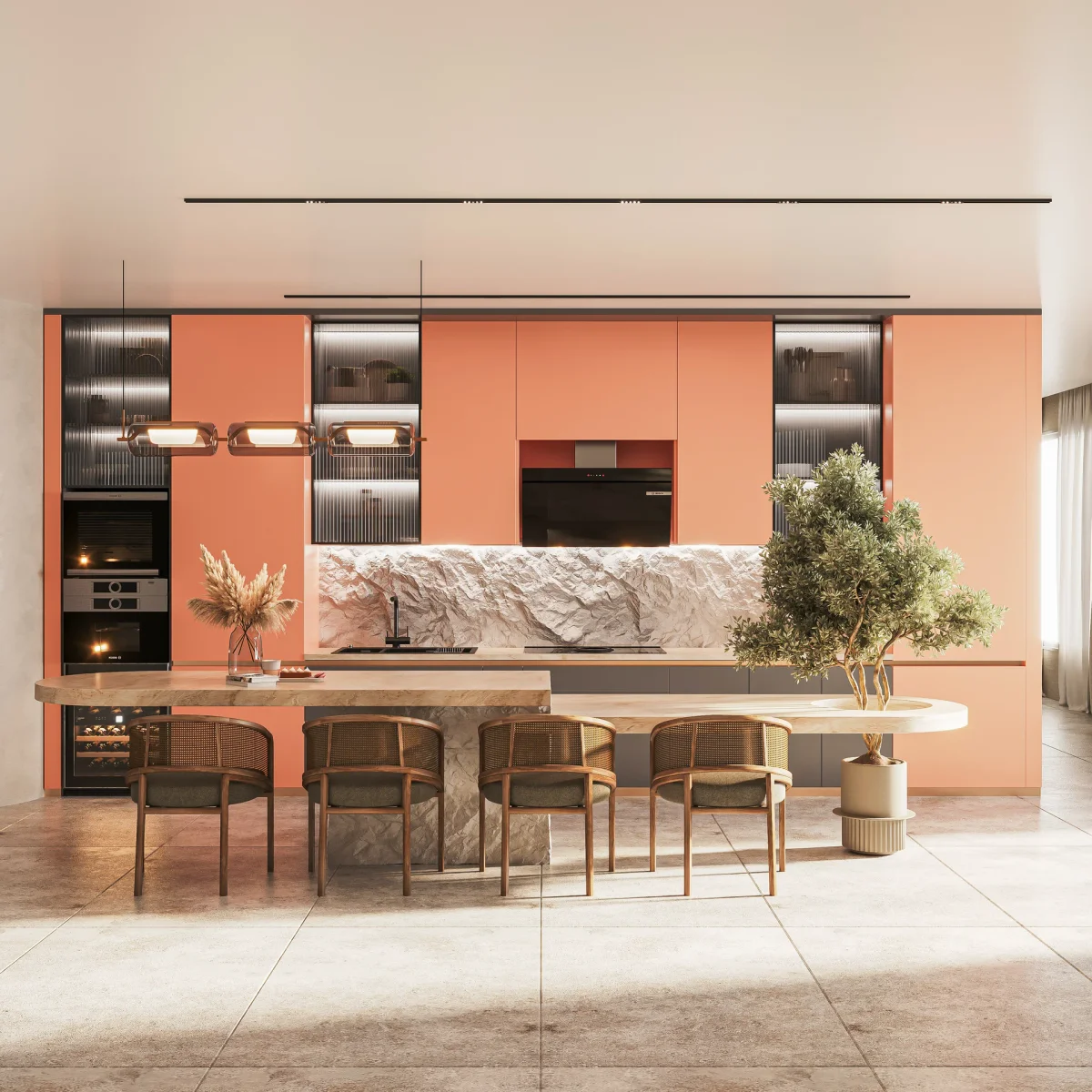
8. Poor Lighting Planning
Good lighting can make a big difference to how you use your kitchen.
If you rely on just one ceiling light, you may end up with shadows over the areas where you prepare food. Using ambient lighting and task lighting like under-cabinet lights can make your kitchen more functional and visually appealing.
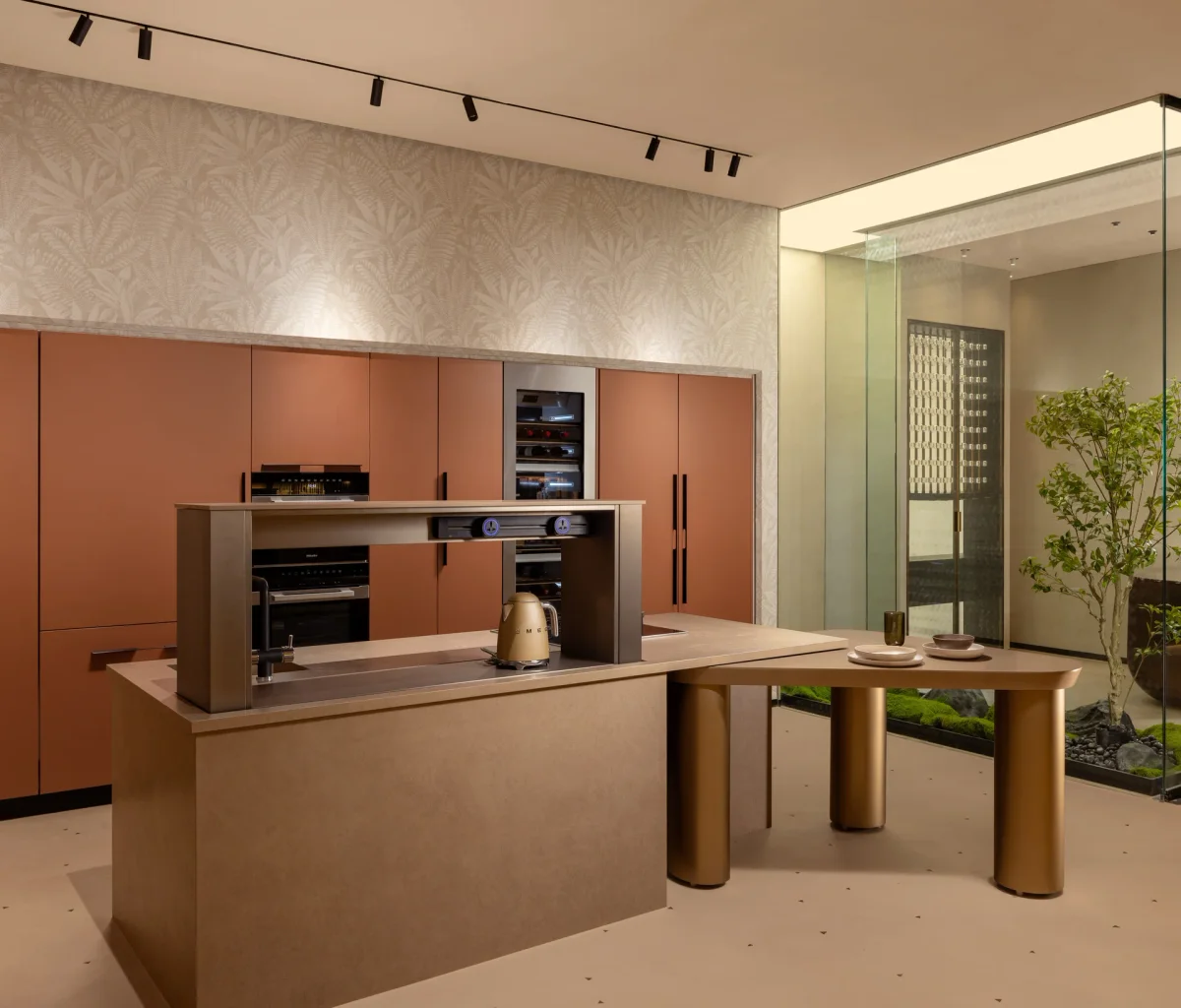
9. Finalising the Design Before Selecting Appliances
Many homeowners purchase appliances after the cabinets have been installed. This can lead to appliances that do not fit properly or require expensive modifications.
Choose your refrigerator, oven, dishwasher, microwave, and chimney before the design gets finalised so every appliance fits perfectly. Built-in appliances can make this even easier by creating a cleaner look and ensuring everything fits perfectly into your kitchen design.
10. Ignoring Electrical and Plumbing Requirements
Changing utility connections after installation can be expensive and inconvenient.
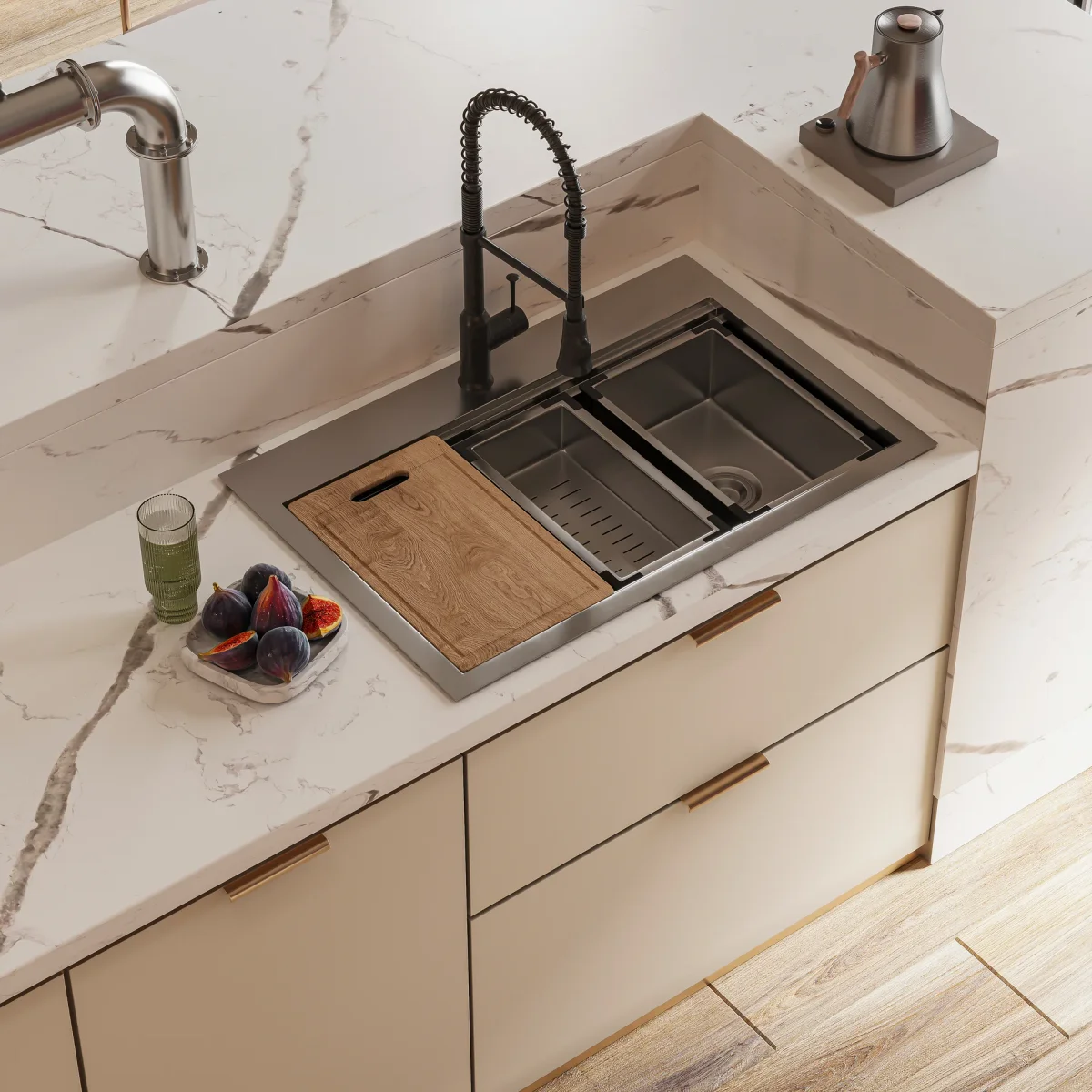
Plan electrical outlets, lighting points, water connections, and drainage during the design stage to avoid unnecessary alterations later.
Final Thoughts
A well-designed modular kitchen combines aesthetics with utility. Careful planning, durable materials, quality hardware, and thoughtful layouts create a kitchen that performs as beautifully as it looks.
By avoiding these common modular kitchen mistakes, you can make better design decisions, reduce maintenance, and enjoy a space that supports your lifestyle for years to come.
Frequently Asked Questions
What is the most common modular kitchen mistake?
The most common mistake is choosing a design based only on appearance without considering functionality, workflow, and daily usage.
Which material is best for modular kitchen cabinets?
The ideal material depends on your priorities. If durability, hygiene, moisture resistance, and low maintenance are important, 304-grade stainless steel is an excellent choice.
How do I choose the right modular kitchen layout?
Consider the size of your kitchen, your cooking habits, and the number of users before selecting your layout.
Why is hardware important in a modular kitchen?
High-quality hinges, drawer systems, and lifting mechanisms improve usability, reduce wear and tear, and increase the lifespan of your kitchen.
What should I plan before installing a modular kitchen?
You should finalise the layout, appliance dimensions, storage requirements, cabinet materials, electrical points, plumbing, lighting, and ventilation before installing a modular kitchen.