
How to Choose the Right Wardrobe Interior Accessories
Learn how to choose wardrobe interior accessories, from hanging rails and trouser pull-outs to shoe racks and jewellery organisers.
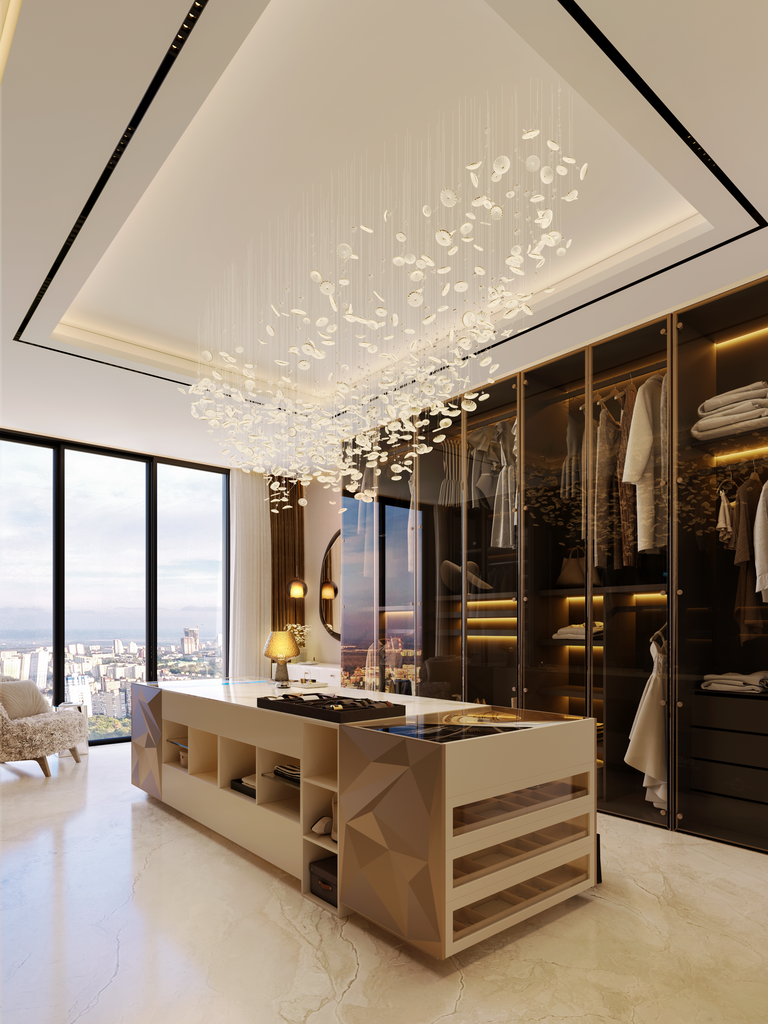
A well-planned wardrobe needs an internal layout that accommodates everything you own and makes your belongings easy to organise and access. The right wardrobe interior accessories help you use available space efficiently, keep clothes organised and store smaller items neatly.
From pull-out trouser racks to jewellery organisers, each fitting serves a specific purpose. Your choice should depend on what you own, your storage habits and the dimensions of your wardrobe.
Consider the following factors when planning your wardrobe’s internal storage.
1. Assess Your Storage Needs
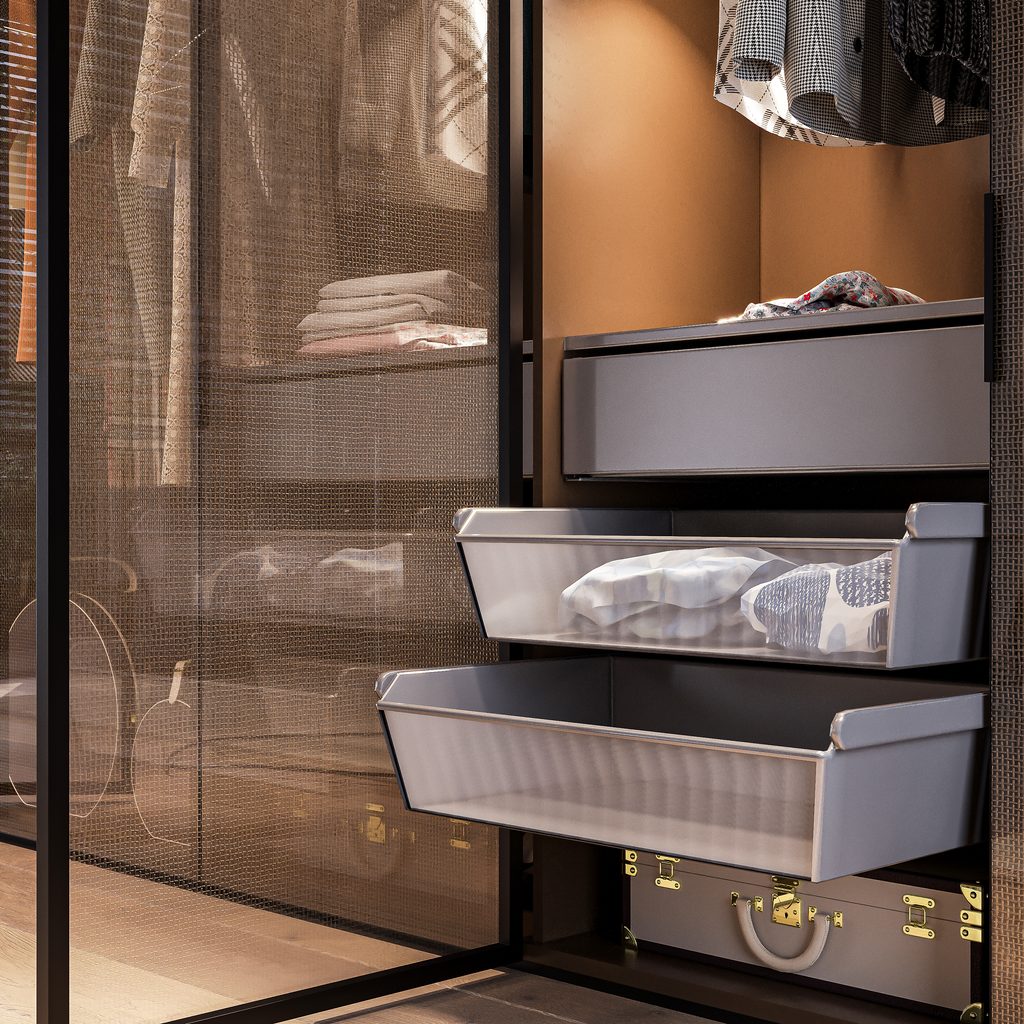
Before selecting wardrobe accessories, identify what you need to store. Your clothing collection and daily routine will help determine which fittings are useful.
For example, a wardrobe with several formal outfits needs adequate hanging space. If you own multiple pairs of shoes, handbags or accessories, dedicated storage can help keep them organised.
Start by dividing your belongings into these categories:
- Hanging clothes: Shirts, dresses, trousers and jackets.
- Folded clothes: T-shirts, knitwear, jeans and everyday clothing.
- Accessories: Belts, ties, watches, jewellery and scarves.
- Footwear and bags: Shoes, handbags and backpacks.
- Seasonal items: Winter wear, spare bedding and luggage.
This gives you a clearer idea of how much space each category requires and which wardrobe storage accessories to include.
2. Choose the Right Hanging Accessories
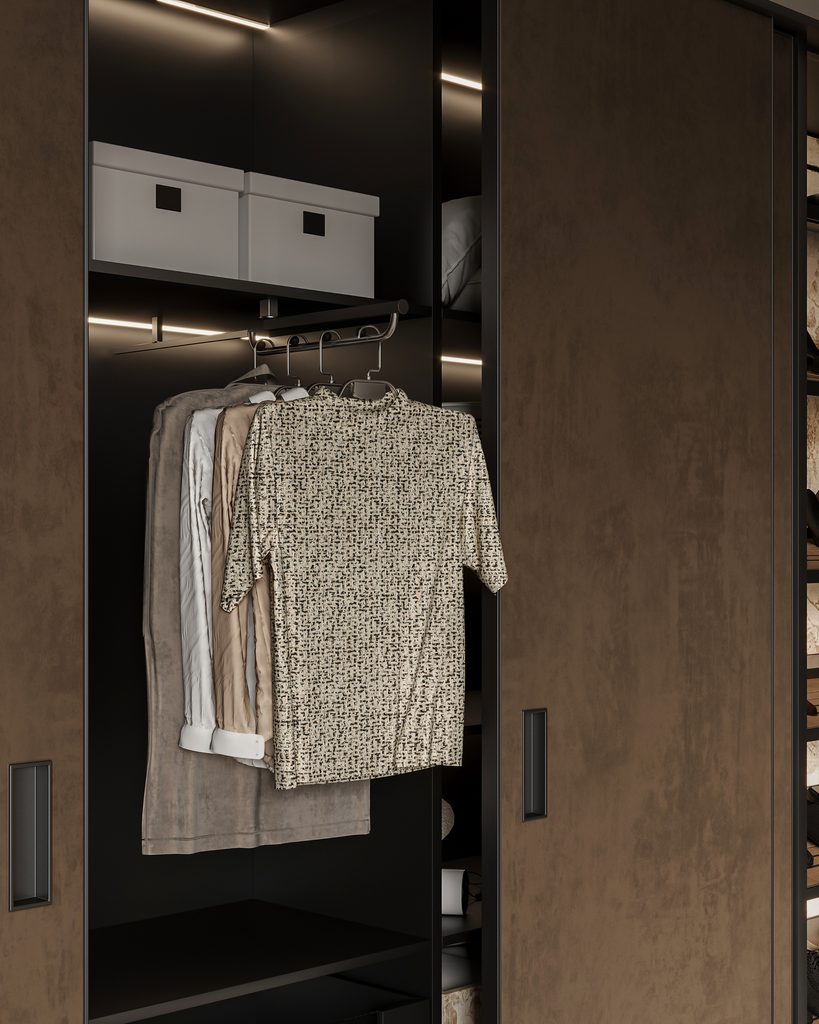
Hanging accessories help organise garments, prevent unnecessary creasing and make clothes easier to access. Consider these options when planning your wardrobe interior:
- Wardrobe Lift: A pull-down hanging mechanism that lets you access clothes stored in higher sections. It makes use of vertical space while reducing the need to reach overhead.
- Extending Wardrobe Rail: A pull-out rail that brings hanging clothes closer to you. It is useful in deep wardrobe sections where garments can be difficult to reach.
- Trouser Pull-Out: A dedicated rack that holds trousers individually. It keeps them organised, reduces creasing and makes it easier to find the pair you need.
Think about the number and length of garments you own before selecting these fittings. It’ll help you determine how much hanging space you need and which accessories will be most useful.
3. Organise Shoes and Smaller Accessories
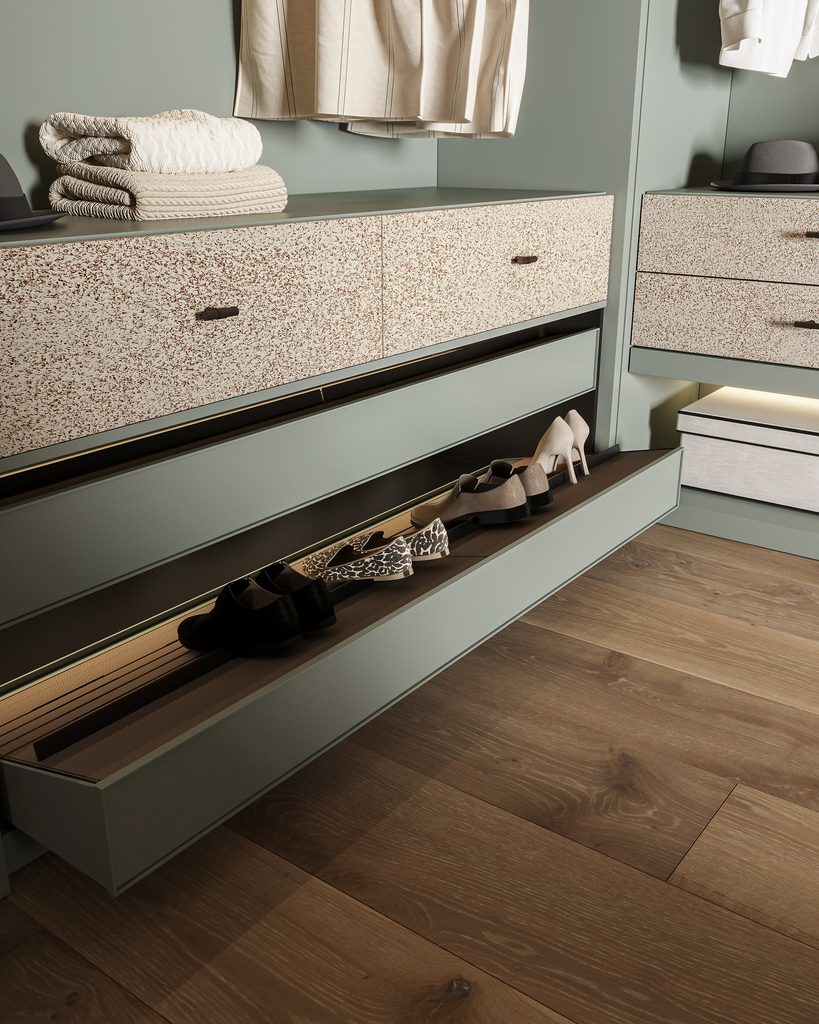
Shoes, jewellery and smaller belongings can occupy a large amount of your wardrobe space if it’s not planned well. Dedicated organisers give these items their own place and make them easier to find.
Two useful wardrobe accessories include:
- Shoe Rack: Having a designated space to keep your shoes organised makes it easier to pick the pair you want.
- Jewellery Organiser: Gives you a compartmentalised tray for storing rings, earrings, necklaces and bracelets. Separate sections help prevent jewellery from getting tangled or misplaced.
You can also plan dedicated shelves or compartments for handbags, belts and other accessories, depending on your storage requirements.
4. Make Better Use of Your Wardrobe Space
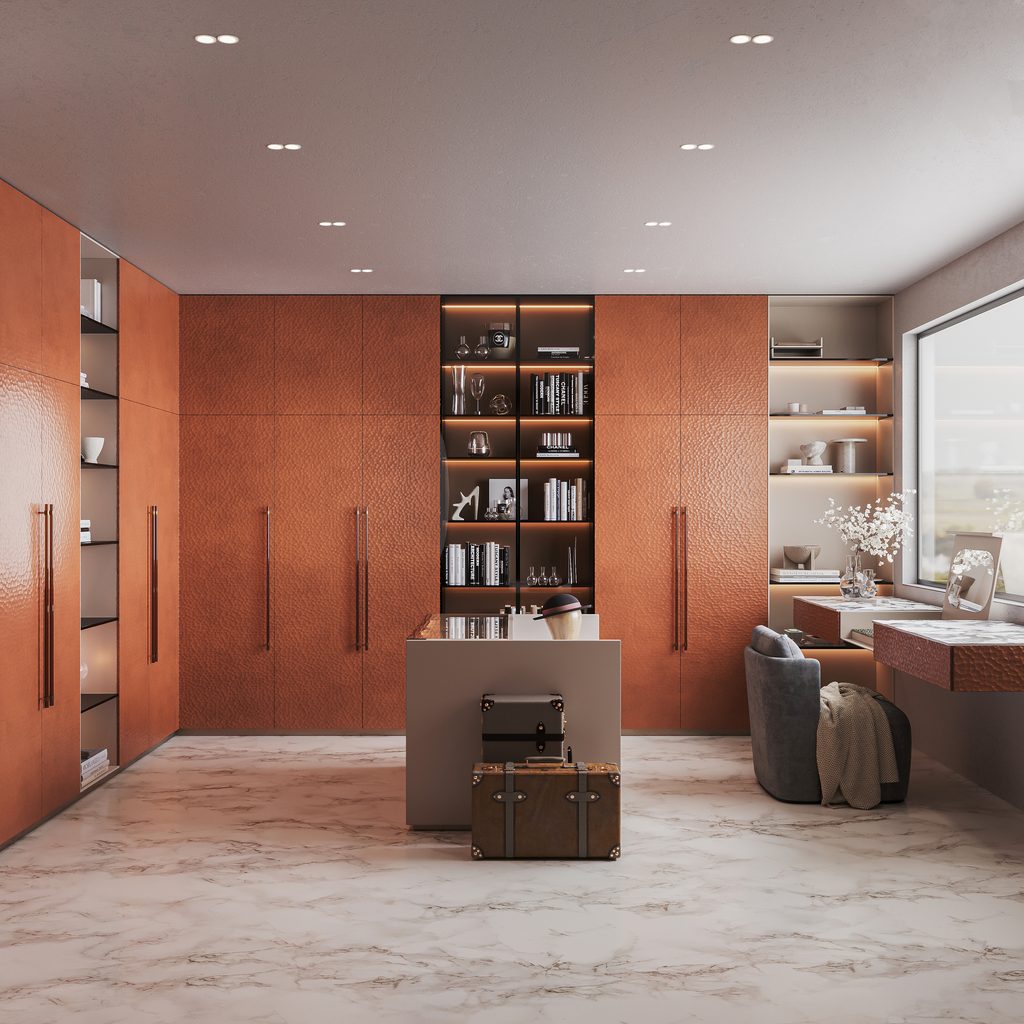
A well-designed wardrobe makes full use of its available height and width. Dividing the interior into different storage zones helps you organise belongings according to how frequently you use them.
A practical way to organise your wardrobe is to divide it into three sections:
- Upper sections: Store seasonal clothing, spare bedding, luggage and other items you don’t need every day.
- Middle sections: Keep frequently worn clothes, hanging garments and everyday essentials within easy reach.
- Lower sections: Allocate space for footwear, bags and other items that are convenient to access from below.
Make sure that this arrangement also accounts for the length of your garments and the space required by individual fittings. It prevents overcrowding in your wardrobe.
5. Match Accessories to Your Wardrobe Layout
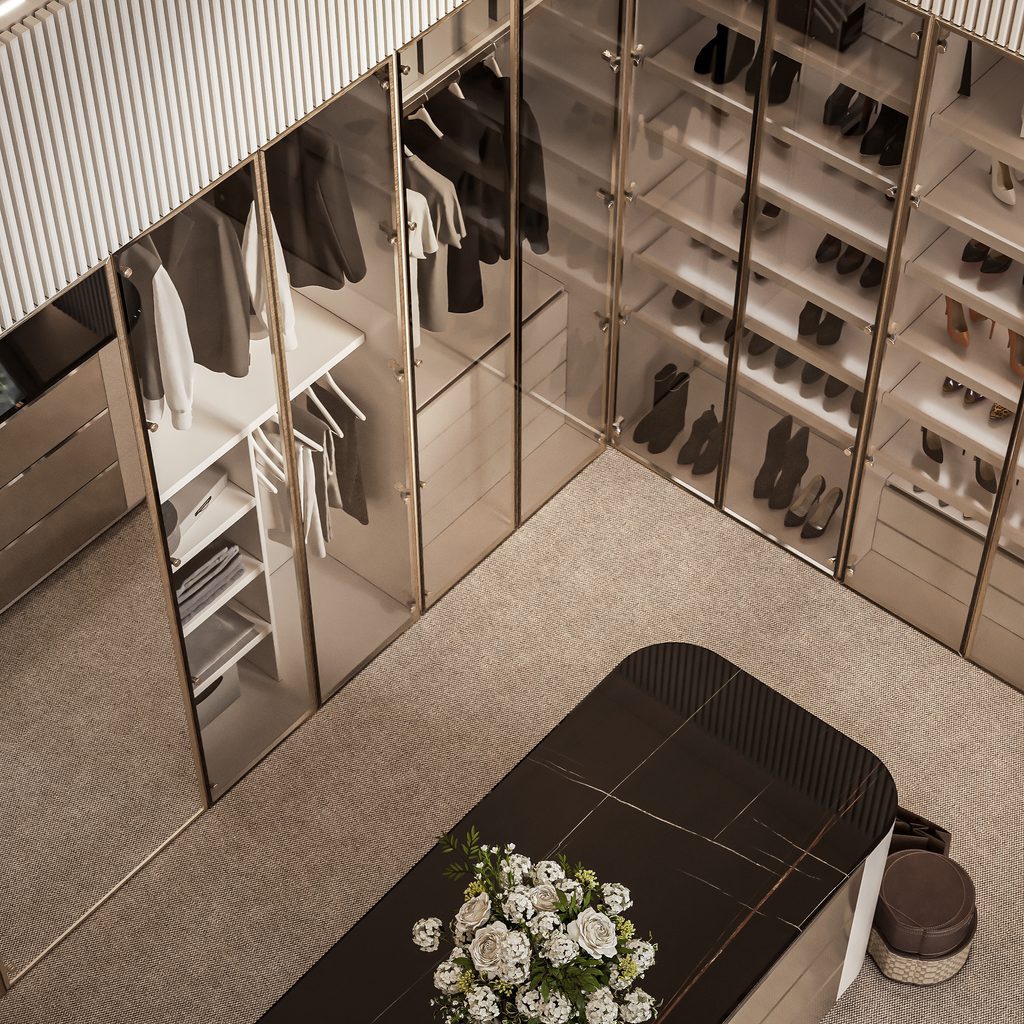
Every wardrobe doesn’t require the same combination of fittings. Your choice of modular wardrobe accessories should depend on the available dimensions, internal configuration and storage requirements.
For example, a wardrobe with limited hanging space may benefit from an extending wardrobe rail or a trouser pull-out. If footwear occupies several shelves, a dedicated shoe rack can help organise it. A jewellery organiser is useful when you need separate compartments for smaller pieces.
Before finalising the layout, check the dimensions of each fitting and the clearance it needs when extended or opened. Make sure there is enough room to operate each accessory comfortably without obstructing other storage sections.
6. Check Quality and Ease of Use
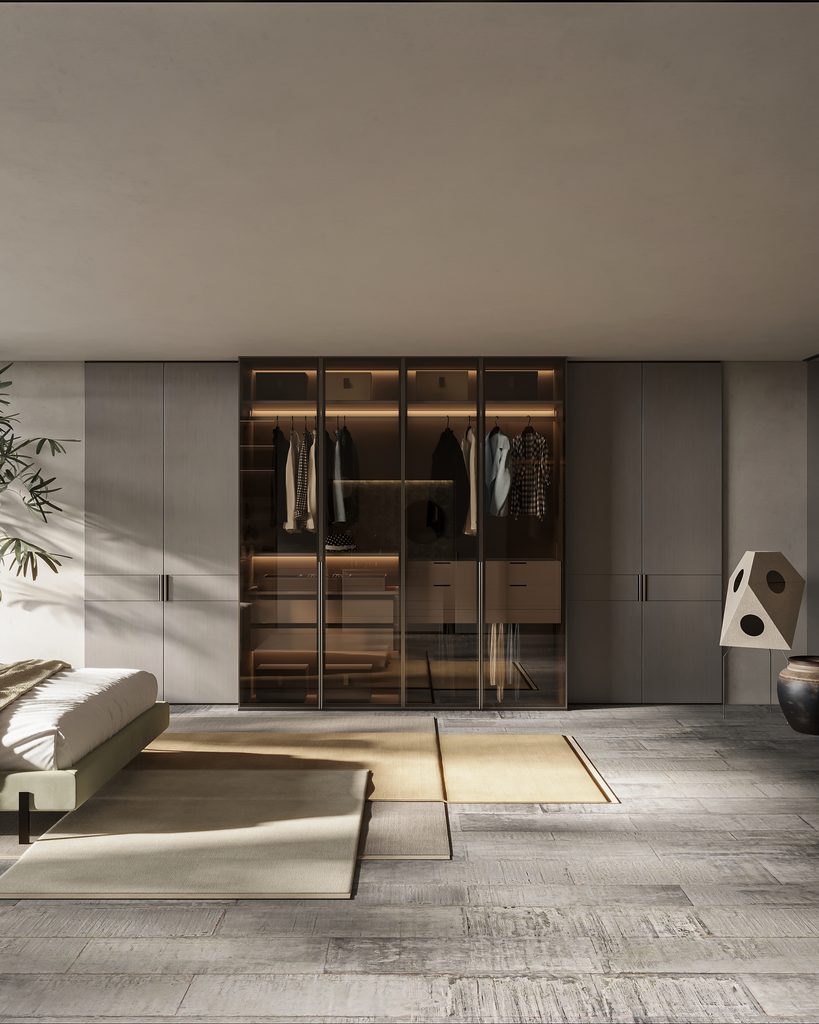
Wardrobe accessories are used regularly, so their material, construction and functionality matter. Look for durable hardware made from materials such as304-grade stainless steel, aluminium or high-quality metal alloys. These materials offer good strength and are suitable for fittings that need to withstand regular use.
Pull-out racks and extending rails should move easily without unnecessary resistance. Hanging mechanisms should support the weight of the garments they are designed to hold. Also, check the quality of hinges, runners and opening and closing mechanisms before making a selection.
Final Thoughts
A functional wardrobe begins with an internal layout that reflects your storage habits. The right combination of hanging accessories, organisers and dedicated storage sections can help you accommodate different belongings without wasting available space.
Before making your selection, consider the wardrobe dimensions, the functionality of each fitting and the quality of its materials. This will help you plan a storage solution that is practical, accessible and suited to your long-term needs.