
Types of Kitchen Islands: Designs, Shapes and Ideas
From rectangular and waterfall islands to L-shaped, peninsula and mobile designs, explore kitchen island options for different homes.

Every homeowner loves the idea of having an island in their kitchen. And why shouldn’t they? Kitchen islands give you extra workspace, storage and seating all at once. And above all that, it’s a beautiful element that becomes a natural spot for everyone at home to gather.
With all these factors in mind, choosing the right kitchen island becomes a very important decision. And it all comes down to what suits your space, your lifestyle and the way you see yourself using your kitchen in the years ahead.
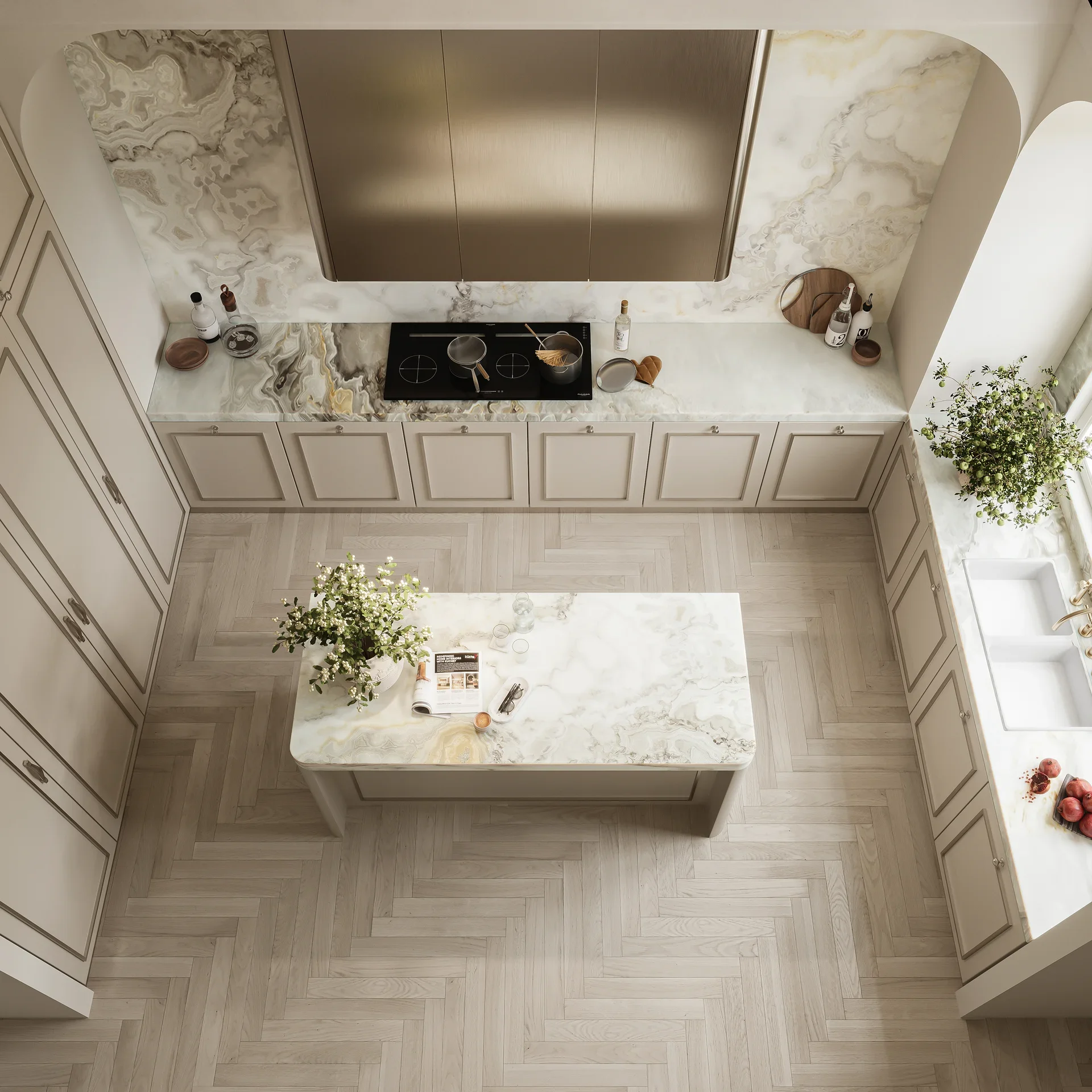
What are the different types of kitchen island designs?
From compact options to larger, multifunctional designs, there are plenty of kitchen island styles to explore. Here are some of the popular kitchen island styles, along with examples to help you find the right fit for your home.
- 1. Classic Rectangular Islands
- 2. Functional Islands
- 3. Waterfall Islands
- 4. Kitchen Islands with Bar Seating
- 5. Shape-based Islands Types
- L-shaped kitchen island
- T-shaped kitchen island
- Double kitchen island
- 6. Peninsula kitchen island
- 7. Mobile kitchen island
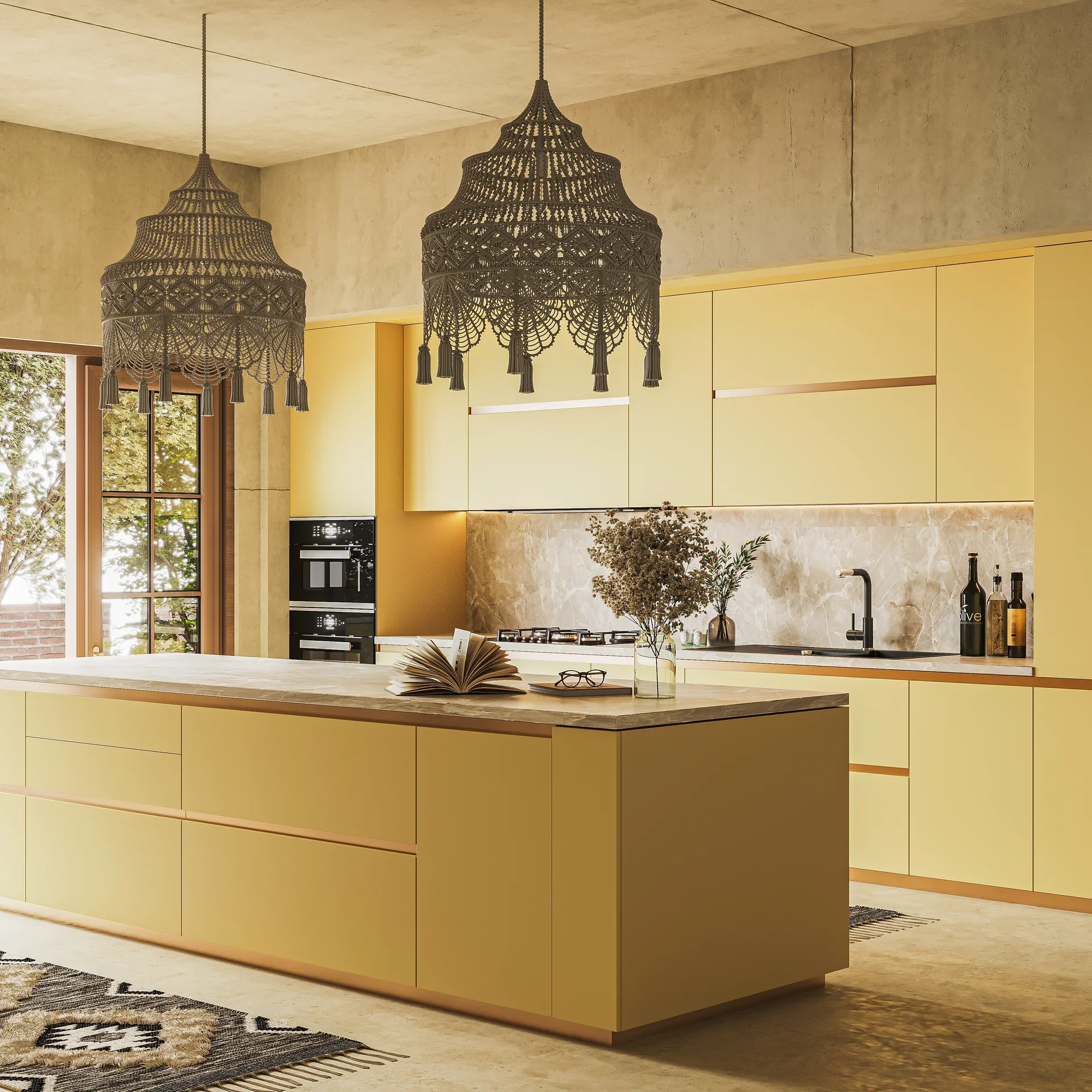
1. Classic Rectangular Islands
A classic rectangular island works well in most kitchens and provides plenty of storage and worktop space. It usually has base cabinets with a fitted worktop, giving you a practical surface for food preparation and other kitchen tasks.
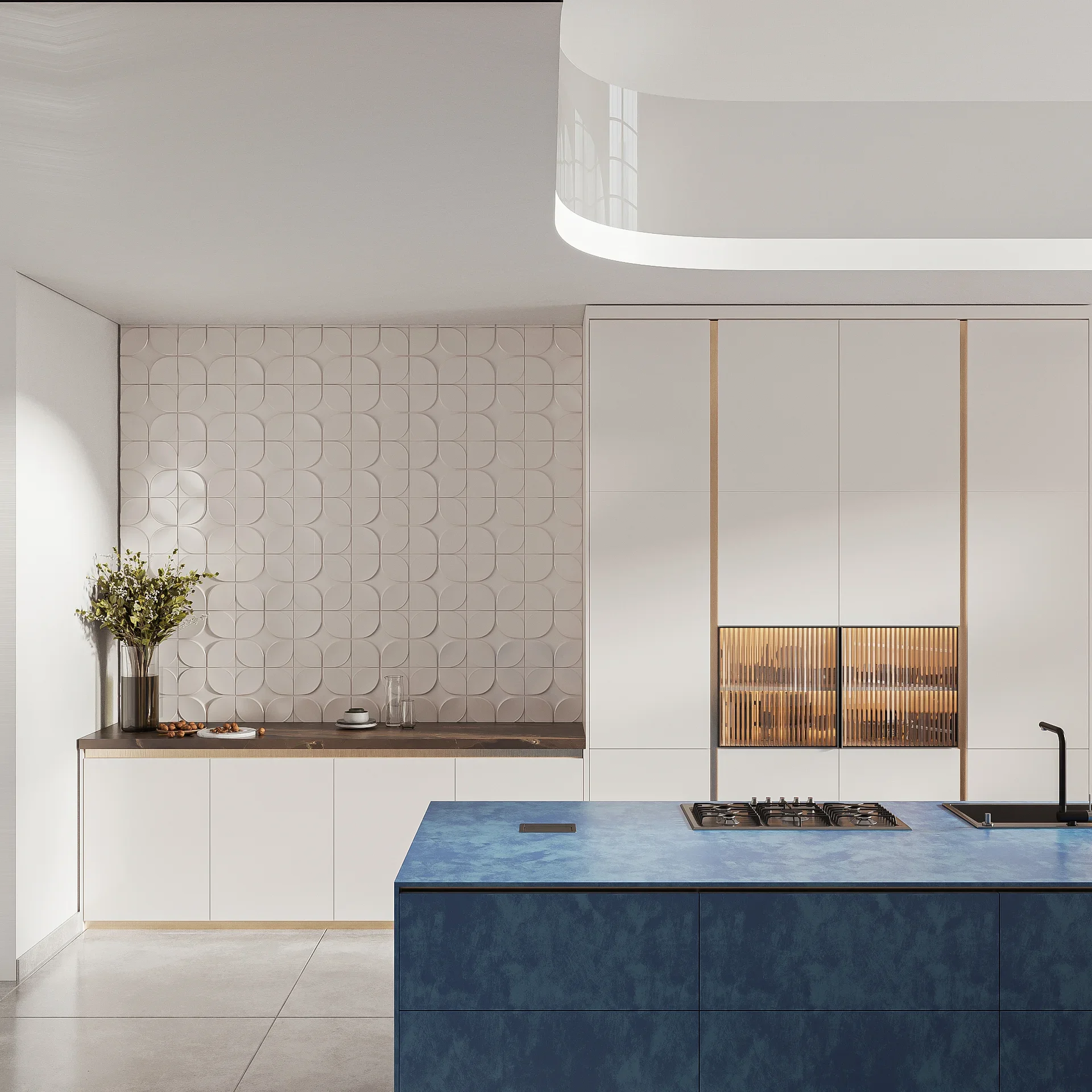
2. Functional Kitchen Island
A functional island can include a sink, hob or dishwasher. This brings key cooking tasks into one central area. But it needs to be planned early so there’s enough space for plumbing, electrical connections and ventilation.
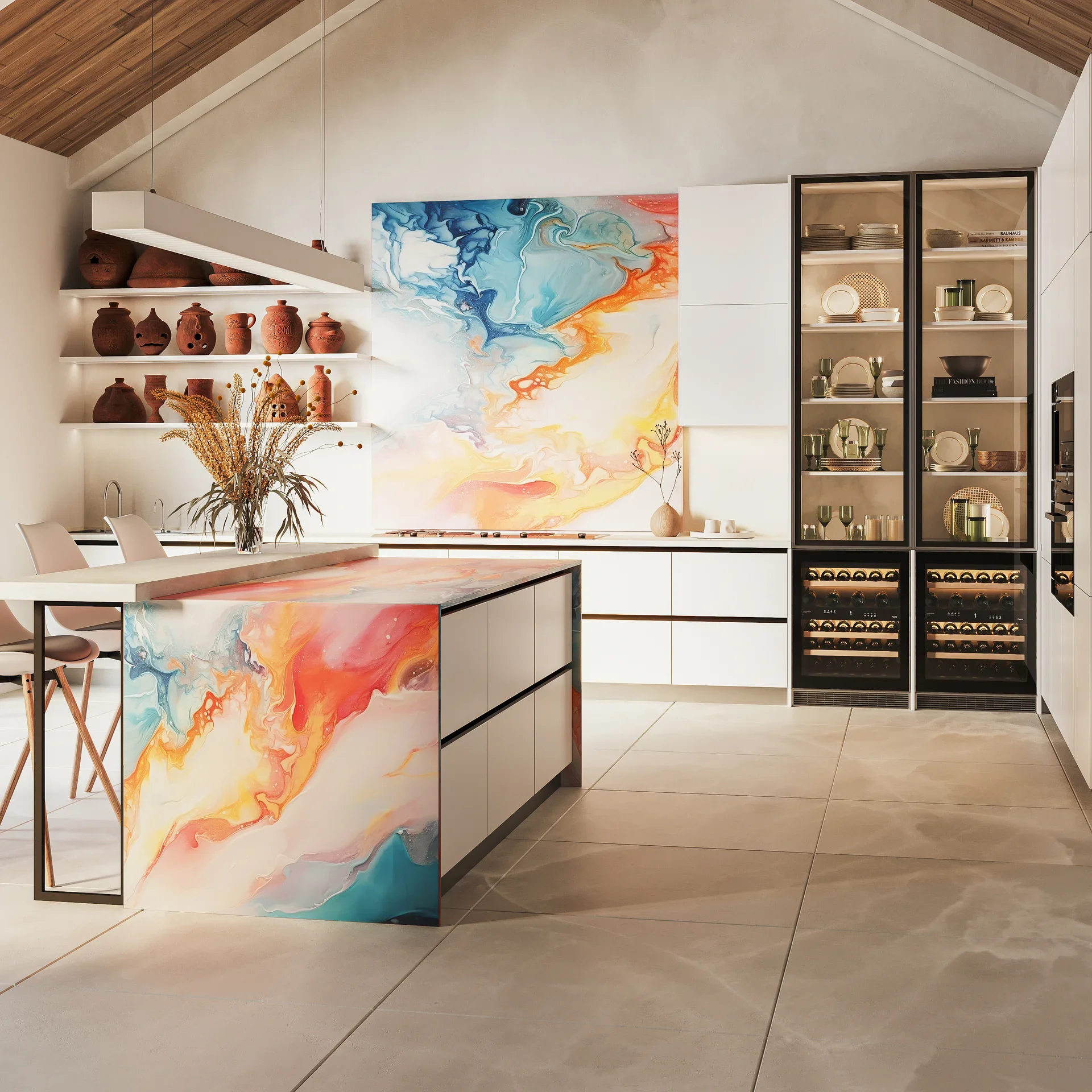
3. Waterfall Kitchen Island
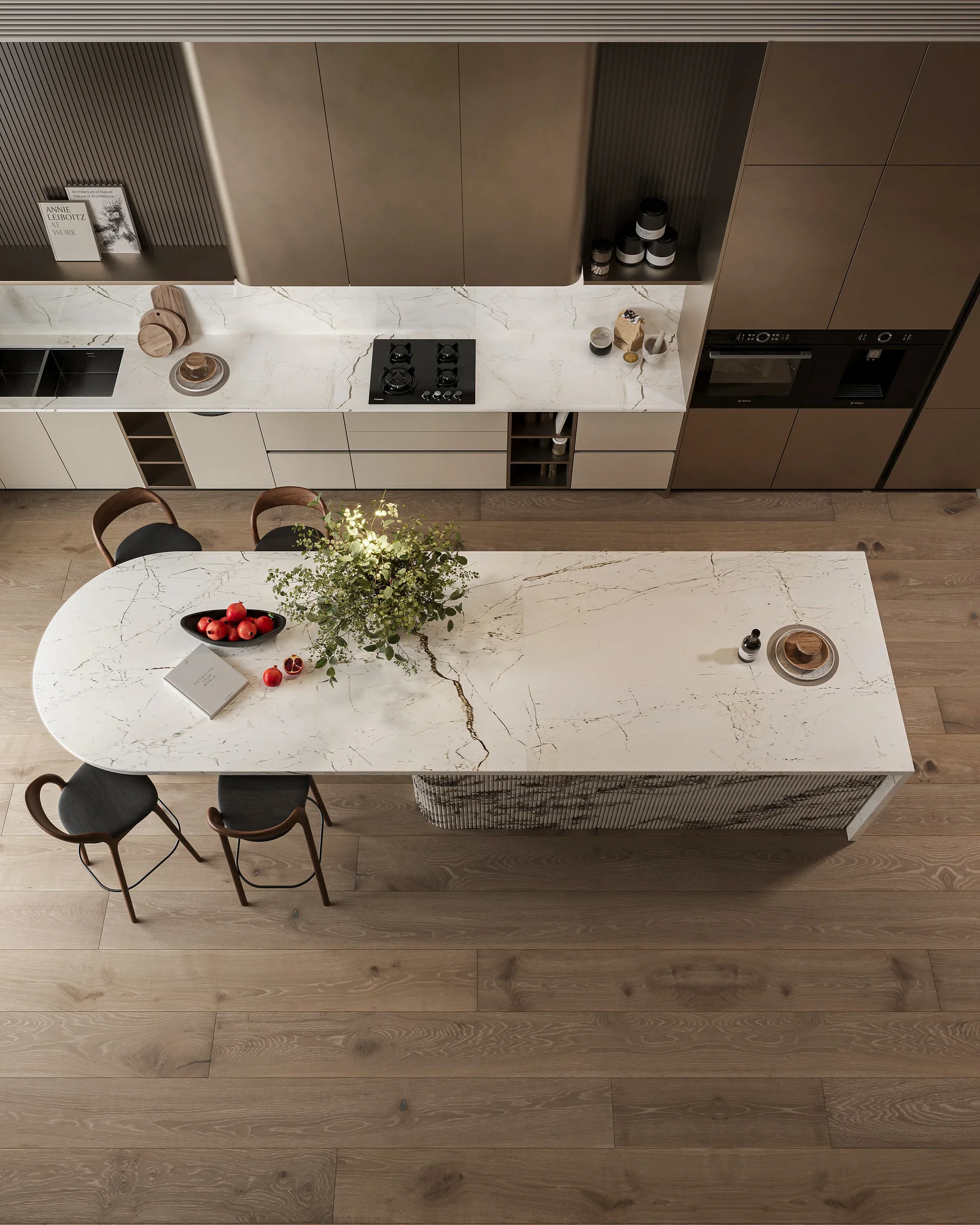
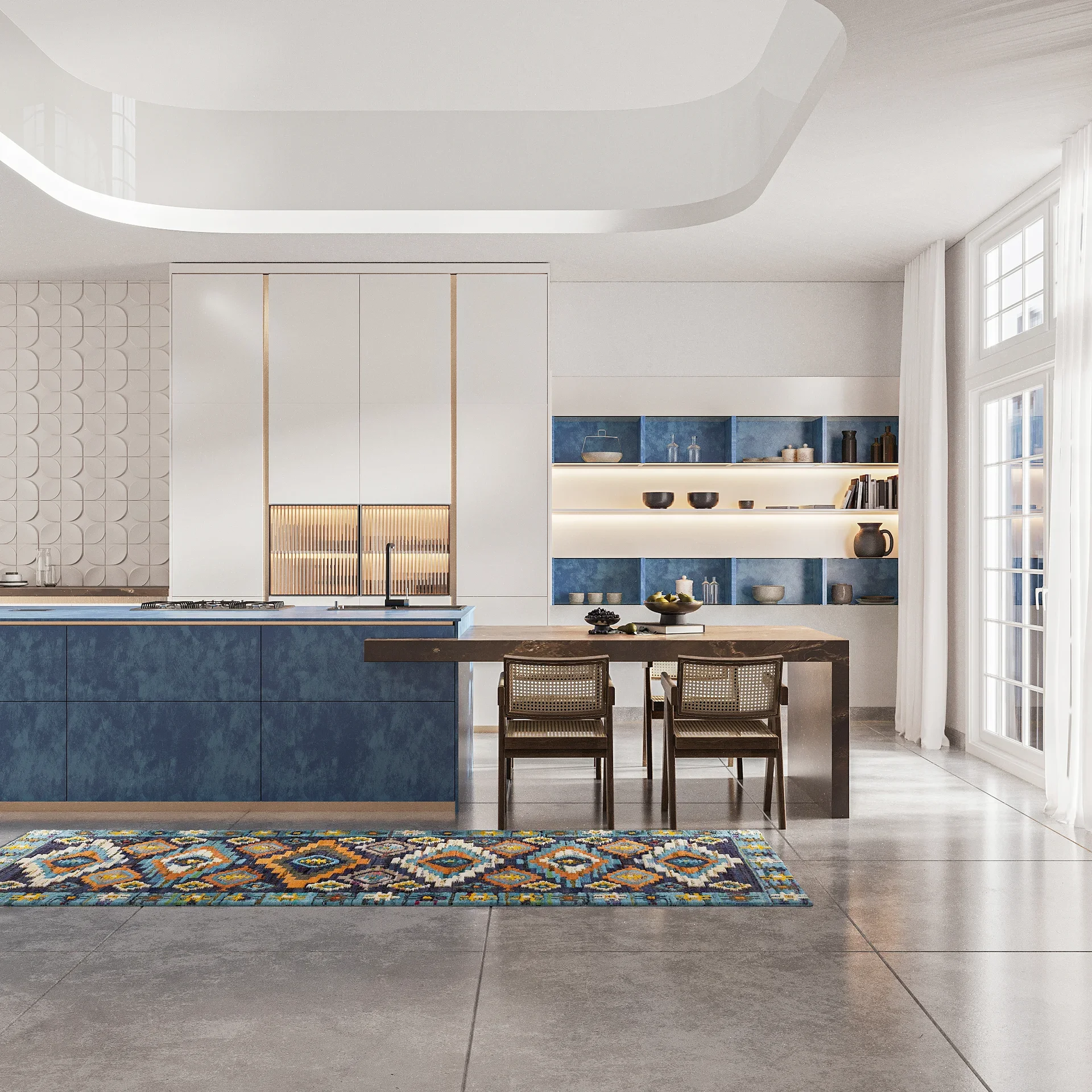
A waterfall island is defined by a countertop that extends down the sides of the island to the floor, creating a continuous look. The waterfall edge is a design feature, so it can be used with both classic rectangular islands and functional islands that include features such as a sink or hob.
4. Kitchen Islands with Bar Seating
A kitchen island with bar seating includes a raised or extended countertop that creates a comfortable spot for sitting. It works well for casual meals, quick breakfasts or chatting while food is being prepared.
5. Shape Based Island Designs
These islands are grouped by their shape and layout. The shape you choose can affect how much workspace, storage and movement you have around the kitchen.
L-shaped Island
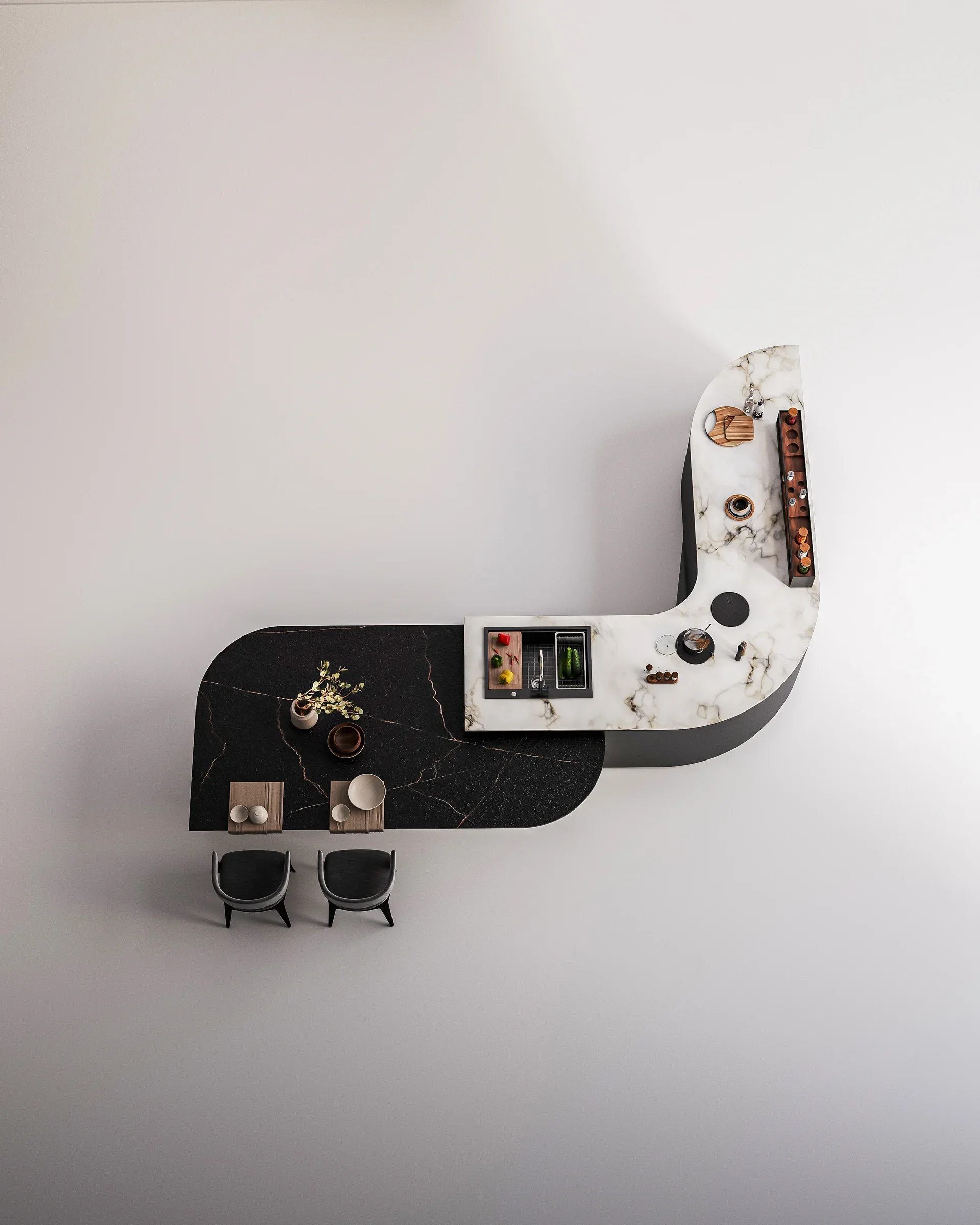
An L-shaped island has two connected sections that create a bent layout. It can provide extra workspace while helping separate cooking and seating areas.
T-shaped Island
A T-shaped island combines a main work area with a perpendicular extension. The extension can be used as a dining or seating area, reducing the need for a separate table.

Double Island
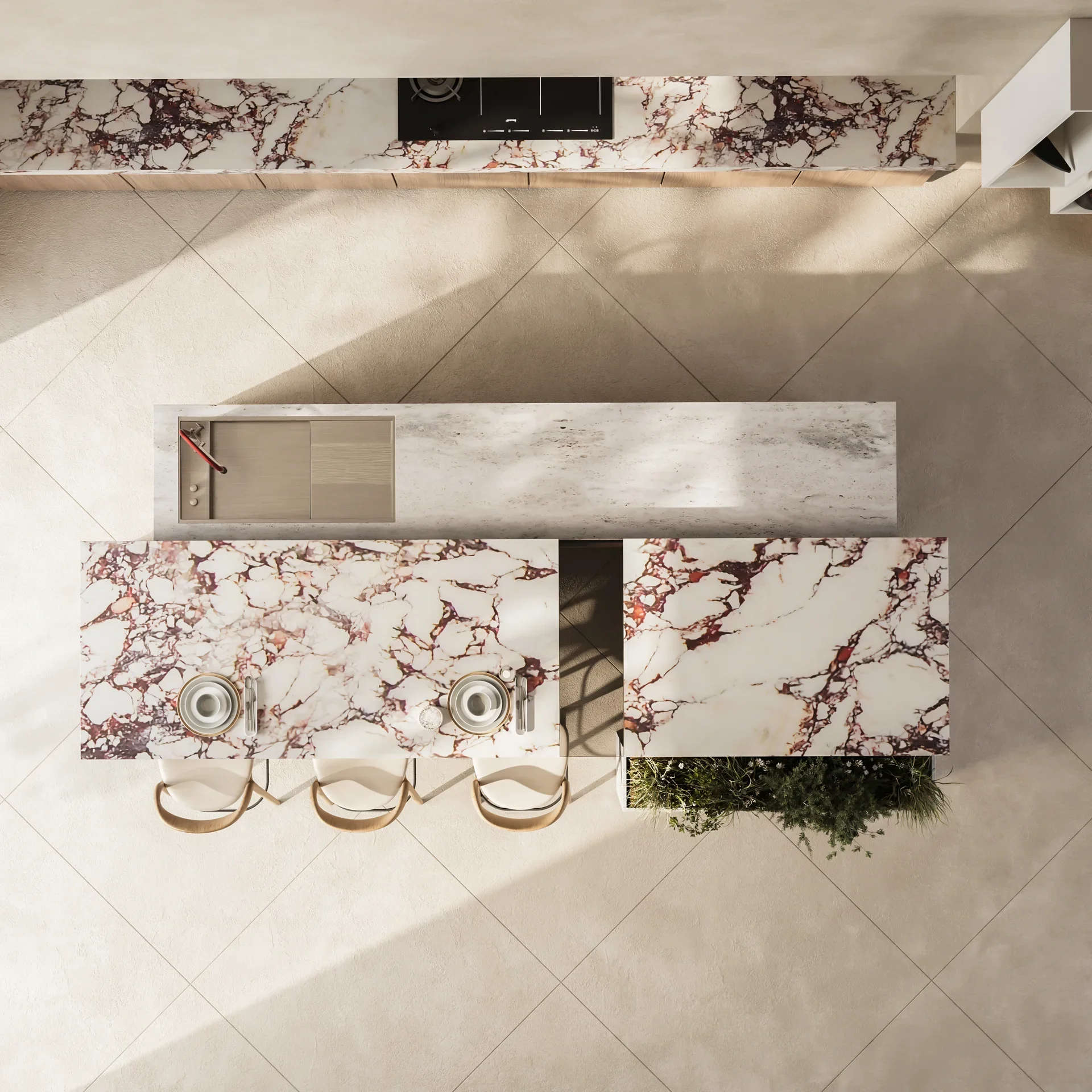
Double islands use two separate island units, making them a good choice for larger kitchens. One can be used for cooking and preparation, while the other provides space for seating or socialising.
6. Peninsula Islands
A peninsula island is connected to a wall or existing cabinetry at one end, rather than being fully-freestanding. They offer many advantages like extra counter space, seating and storage and they don’t even need a lot of open floor clearance. They’re a great choice for smaller or open-plan kitchens.
7. Mobile Islands
Mobile islands are a practical choice for small or compact kitchens. These islands are fitted with wheels so they can be moved around the kitchen and stored away when not in use. They also provide useful storage and extra worktop space.
Choosing the Right Kitchen Island
Before choosing an island, take a good look at your kitchen and how you use it. You may need more storage, extra worktop space, seating or simply a better way to organise the room. Once you know what matters most, it becomes much easier to find an island that suits your home.