
Types of Modular Kitchens: Which One Is Right for You?
Explore different types of modular kitchens including L shaped, U shaped, parallel, island, and straight kitchens. Learn which modular kitchen layout is best for your home, space, and cooking style.
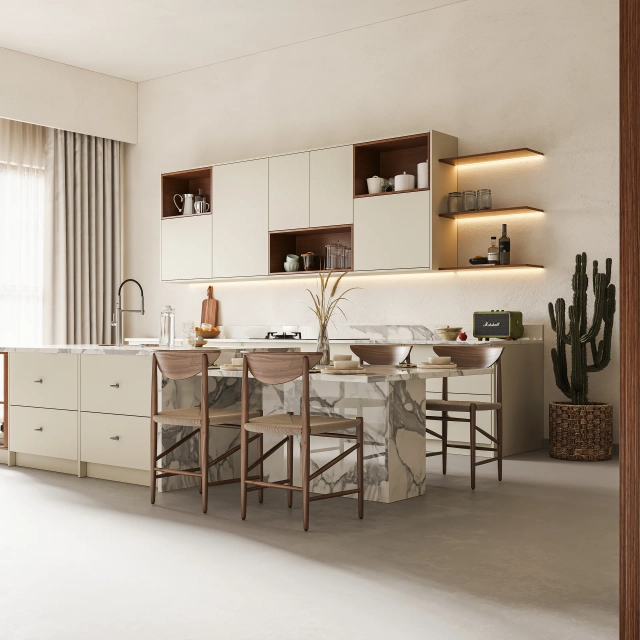
When people hear “modular kitchen”, they often think it’s one single style.
But in reality, modular kitchens come in many different layouts and formats, each designed for different spaces, cooking habits, and storage needs.
And this is important because the “best” kitchen is not the most expensive or the most stylish.
It’s the one that works best for:
- Your home size
- Your cooking style
- Your movement inside the kitchen
- Your storage requirements
So instead of asking:
“Which modular kitchen looks best?”
The better question is:
“Which modular kitchen works best for my lifestyle?”
Let’s break it down properly.
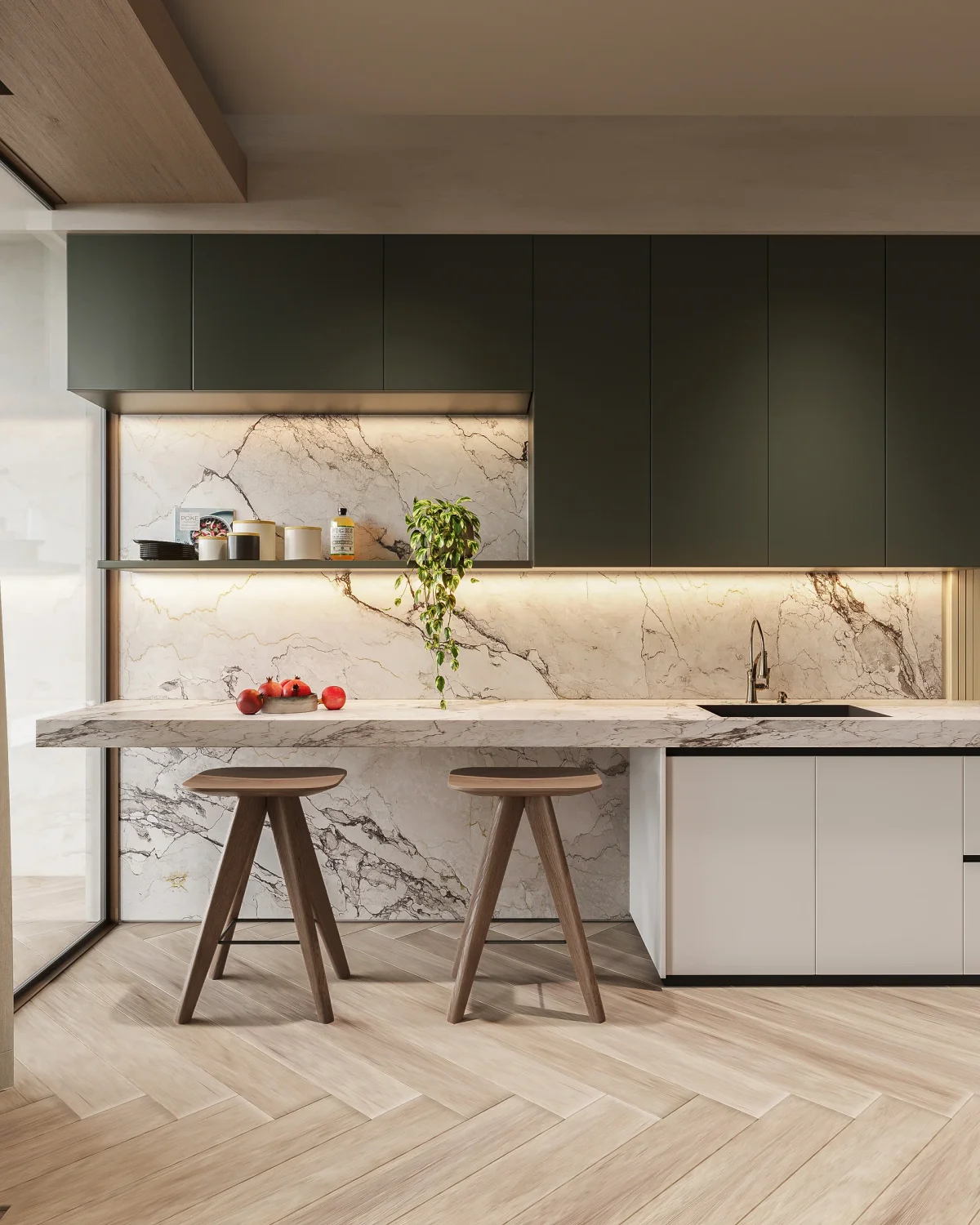
What Is a Modular Kitchen?
A modular kitchen is a kitchen made using pre-designed cabinet units (modules) that are manufactured separately and assembled on-site.
These modules include:
- Base units
- Wall units
- Tall units
- Drawers
- Storage accessories
Unlike traditional carpenter-made kitchens, modular kitchens are:
- Factory-finished
- Precision-built
- Easier to install and maintain
The biggest advantage is flexibility.
You can design the kitchen around your space instead of forcing the space to adapt.
Why Kitchen Layout Matters So Much
The layout affects:
- Workflow
- Storage
- Ventilation
- Movement
- Appliance placement
A badly planned kitchen feels exhausting, even if it looks beautiful.
A well-planned kitchen feels effortless.
That’s why understanding the different types matters.
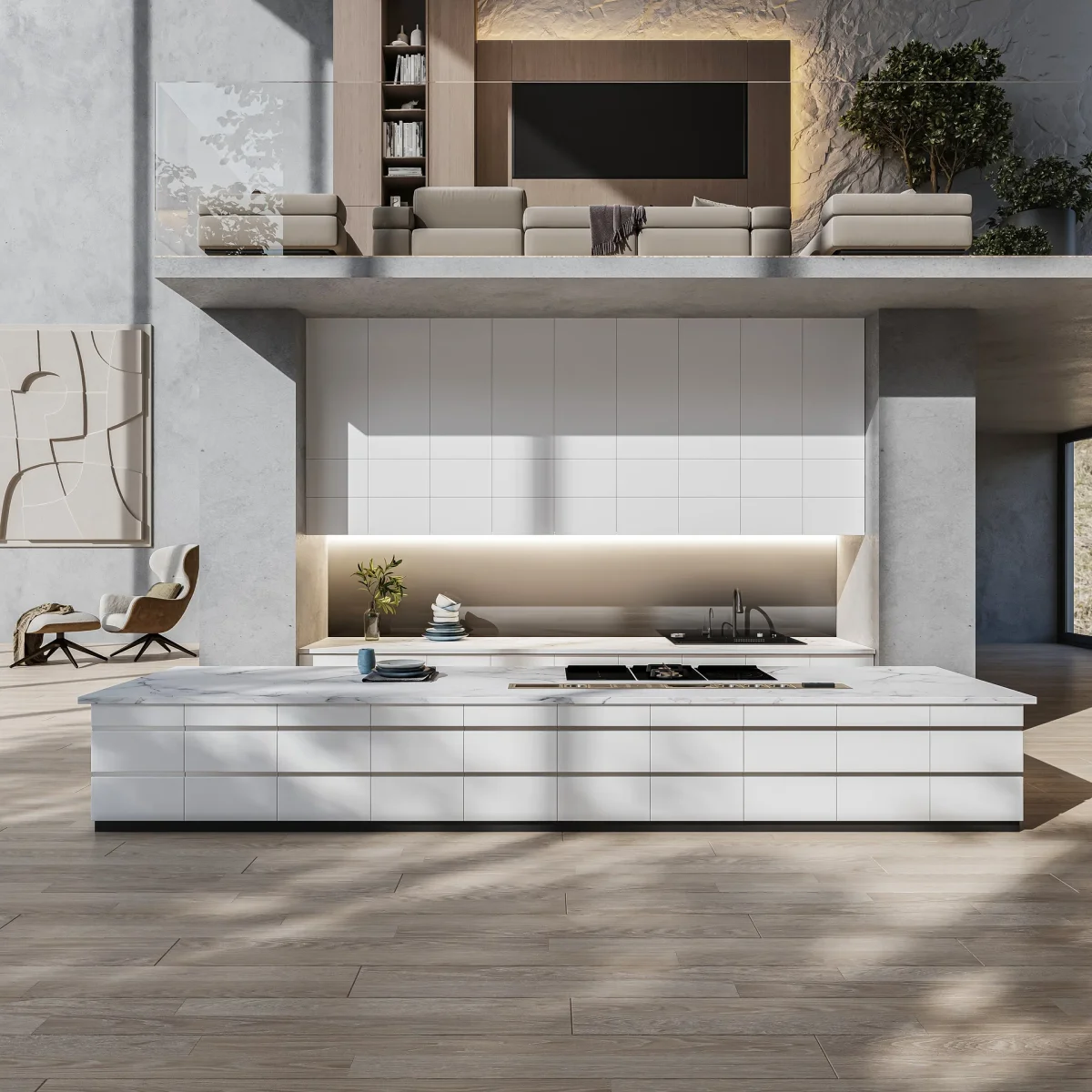
1. Straight Kitchen (Linear Kitchen)
This is the simplest modular kitchen layout.
Everything:
- Stove
- Sink
- Counter
- Storage
is placed along a single wall.
Best For
- Studio apartments
- Compact homes
- Small families
Advantages
- Space-efficient
- Clean and minimal look
- Easy installation
- Lower storage complexity
Limitations
- Limited counter space
- Limited storage capacity
- Workflow can feel linear and restricted
Who Should Choose It?
Someone with:
- Small space
- Light cooking needs
- Minimal kitchen usage
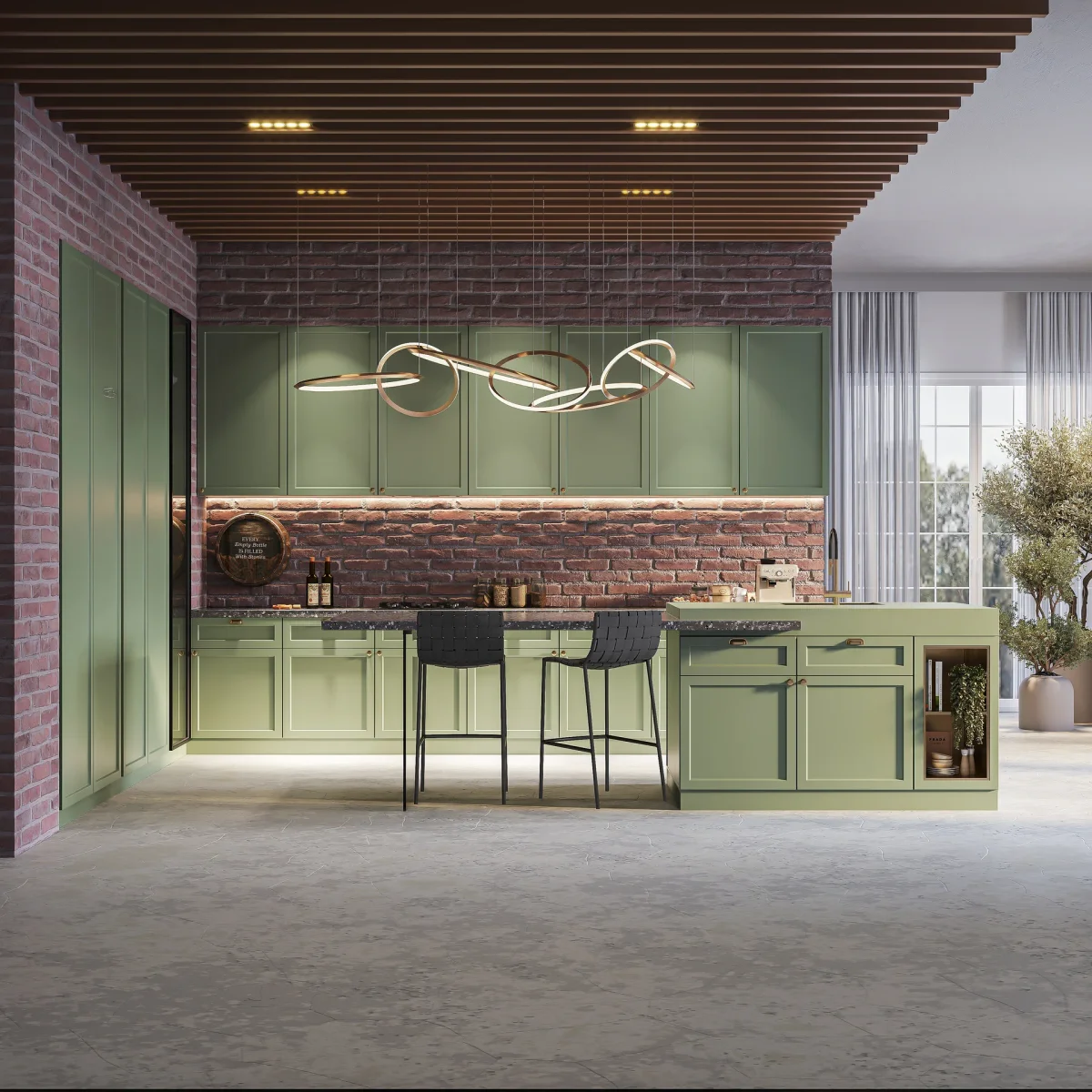
2. L-Shaped Modular Kitchen
One of the most popular layouts in modern homes.
The kitchen runs along two connected walls, forming an “L”.
Best For
- Small to medium homes
- Open kitchens
- Apartments
Advantages
- Efficient workflow
- Good corner utilization
- Better movement
- Balanced storage and workspace
Limitations
- Corner areas need smart accessories
- Limited for very large families
Why It’s Popular
It creates a good “work triangle” between:
- Sink
- Stove
- Refrigerator
which improves cooking efficiency.
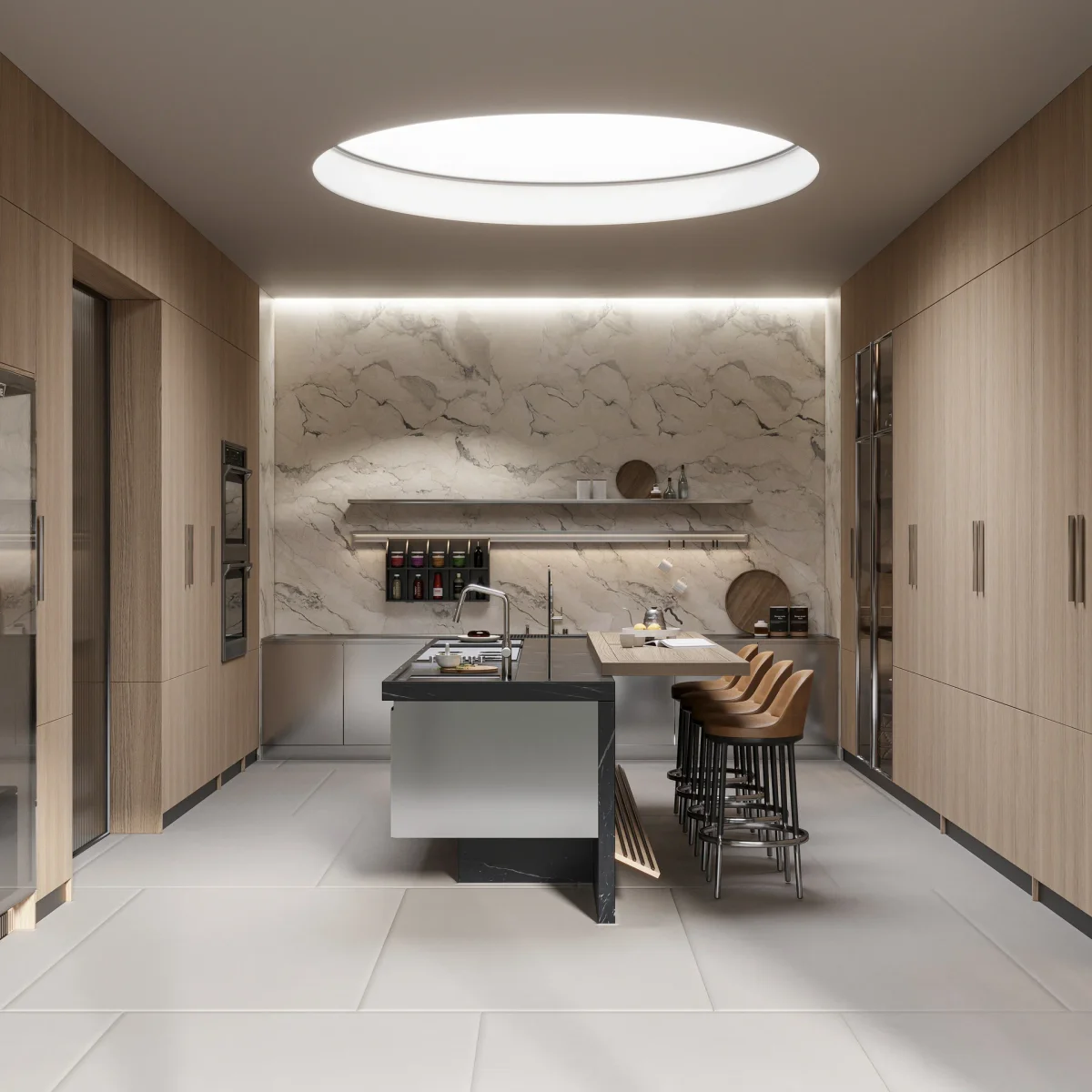
3. U-Shaped Modular Kitchen
This layout uses three connected walls or counters.
It surrounds the user on three sides.
Best For
- Larger kitchens
- Families that cook frequently
- Homes requiring maximum storage
Advantages
- Large counter area
- Maximum storage capacity
- Multiple work zones
- Efficient for multi-person usage
Limitations
- Requires more space
- Can feel crowded in smaller homes
- Higher cabinetry requirement
Who Should Choose It?
People who:
- Cook heavily and daily
- Need extensive storage
- Want separate prep and cooking zones
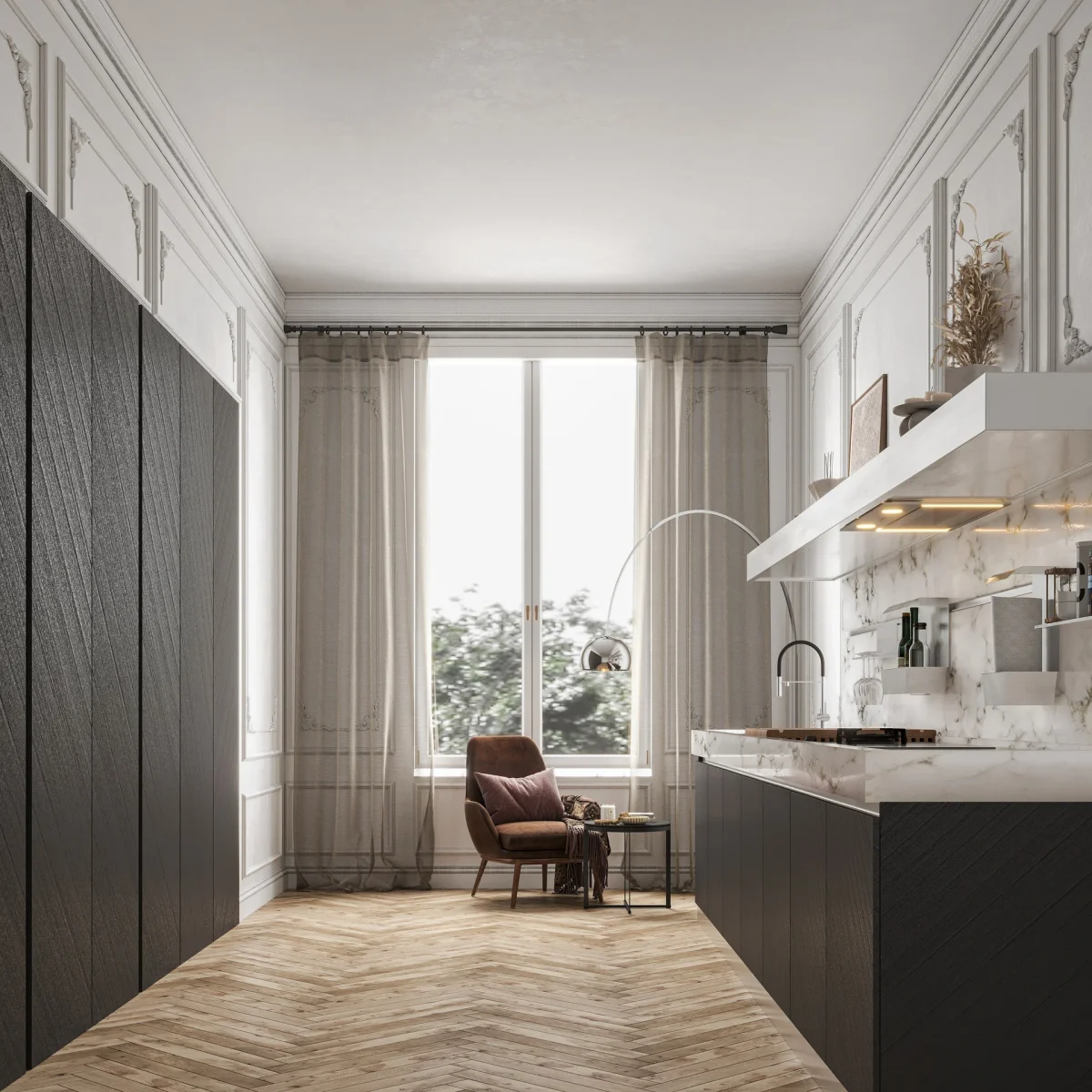
4. Parallel Kitchen (Galley Kitchen)
Two parallel counters face each other with a walkway in between.
One side is usually used for:
- Cooking
The other for:
- Preparation and cleaning
Best For
- Medium-sized homes
- Functional kitchens
- Efficient workflows
Advantages
- Excellent workflow
- Efficient use of space
- High storage capacity
- Ideal for serious cooking
Limitations
- Can feel narrow if badly planned
- Less social interaction compared to open kitchens
Why Professionals Like It
This layout is extremely efficient because movement is minimized.
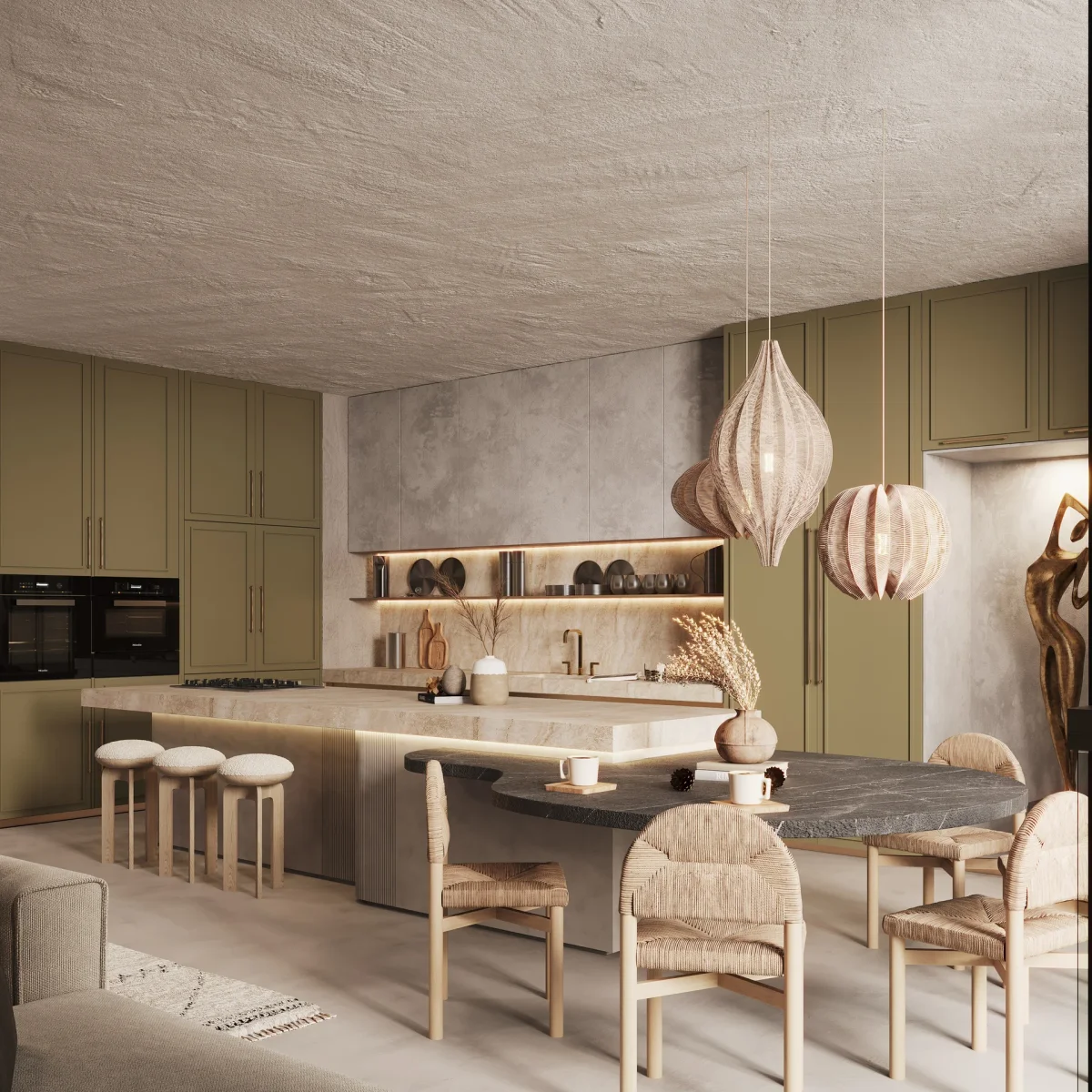
5. Island Kitchen
This includes a freestanding island in the centre and the main kitchen counters.
Best For
- Large homes
- Open layouts
- Modern luxury homes
Advantages
- Additional workspace
- Social interaction
- Premium appearance
- Multi-functional usage
The island can be used for:
- Dining
- Preparation
- Storage
- Seating
Limitations
- Requires large space
- More expensive to execute
- Needs strong planning for movement flow
Who Should Choose It?
People who:
- Entertain guests often
- Want a statement kitchen
- Prefer open-plan living
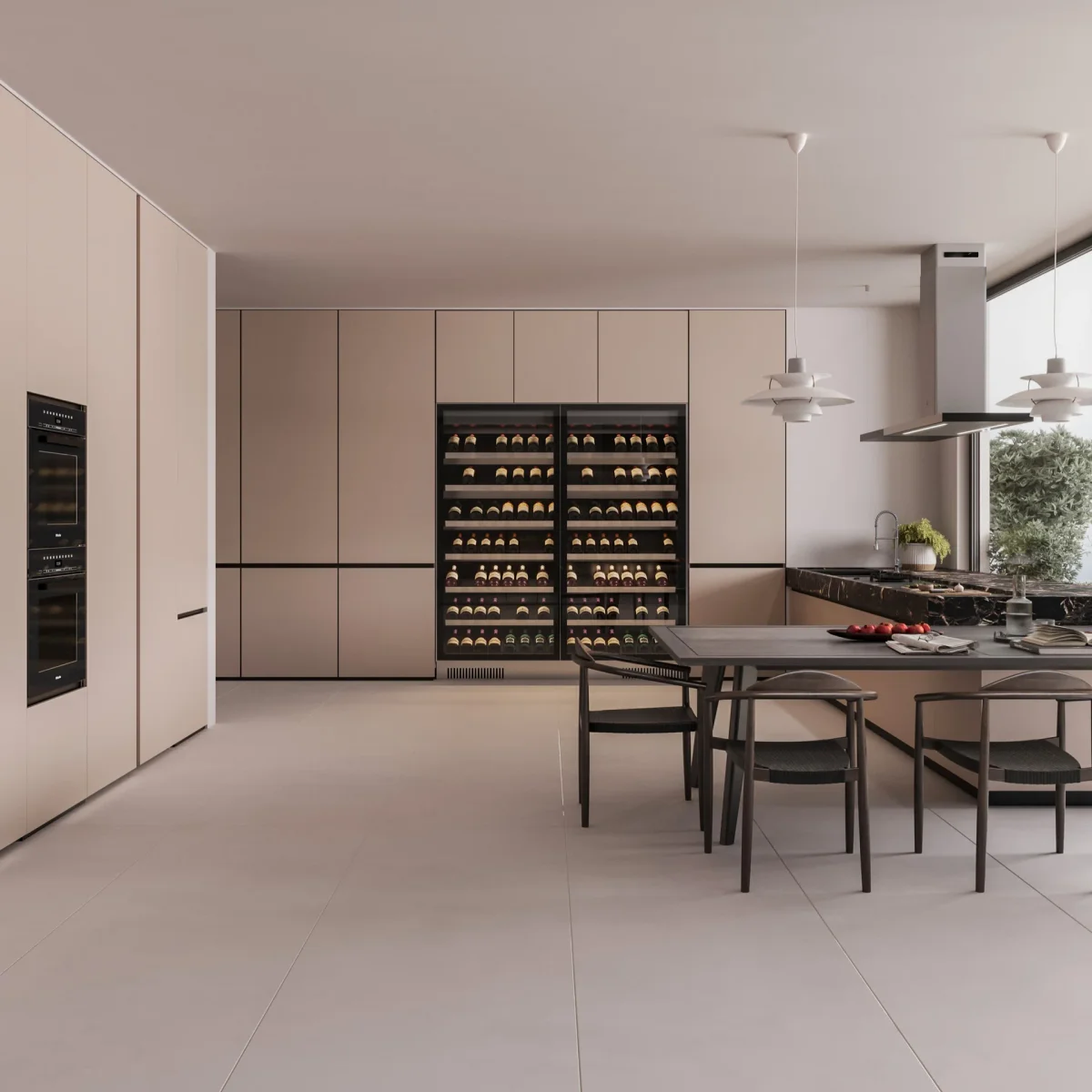
6. Peninsula Kitchen
An extension of the U-shaped kitchen with an extra counter or peninsula.
Best For
- Large kitchens
- High-storage requirements
Advantages
- Extremely high storage
- Multiple work areas
- Highly functional for large families
Limitations
- Requires significant space
- Can feel enclosed
- Complex planning required
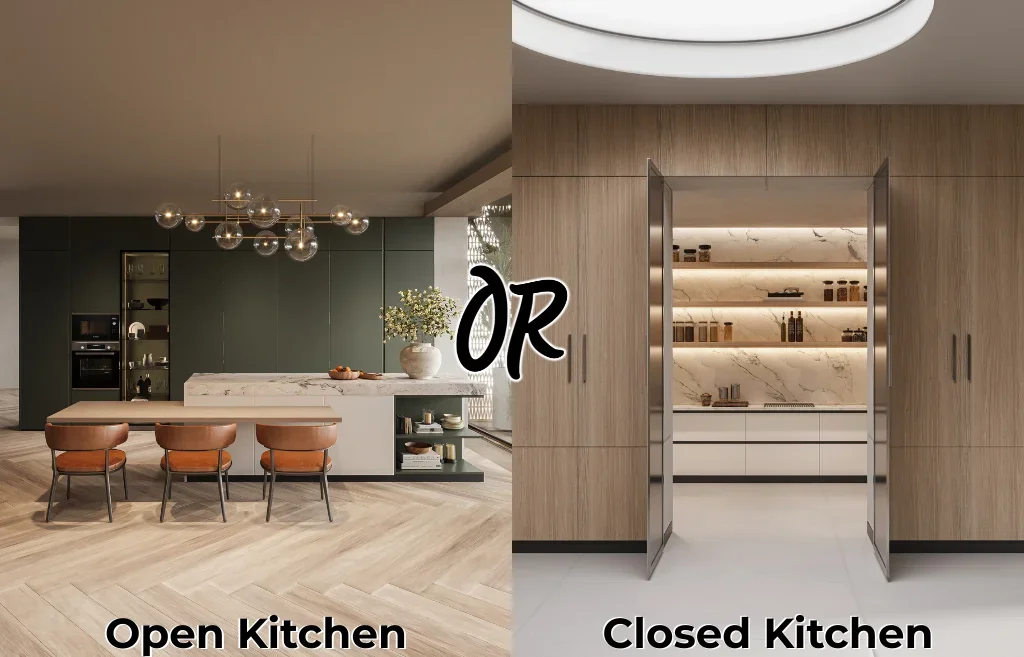
Open Kitchen vs Closed Kitchen
This is another important distinction.
Open Kitchen
Connected to the living or dining space.
Advantages
- Social and spacious feel
- Better interaction
- Modern aesthetic
Limitations
- Cooking smells spread
- Requires a cleaner appearance always
Closed Kitchen
Separated with walls or partitions.
Advantages
- Better privacy
- Contains noise and smell
- More practical for heavy cooking
Limitations
- Feels less spacious
- Less interaction with living spaces
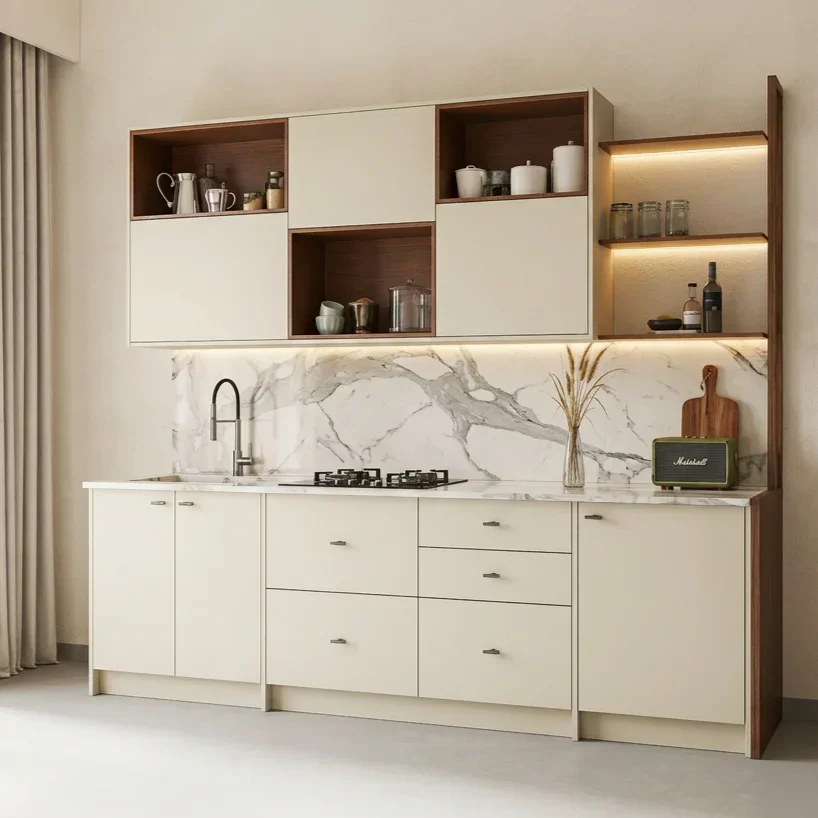
Which Modular Kitchen Is Best for Small Homes?
For compact homes:
- Straight kitchen
- L-shaped kitchen
- Parallel kitchen
work best because they maximize efficiency without overcrowding the space.
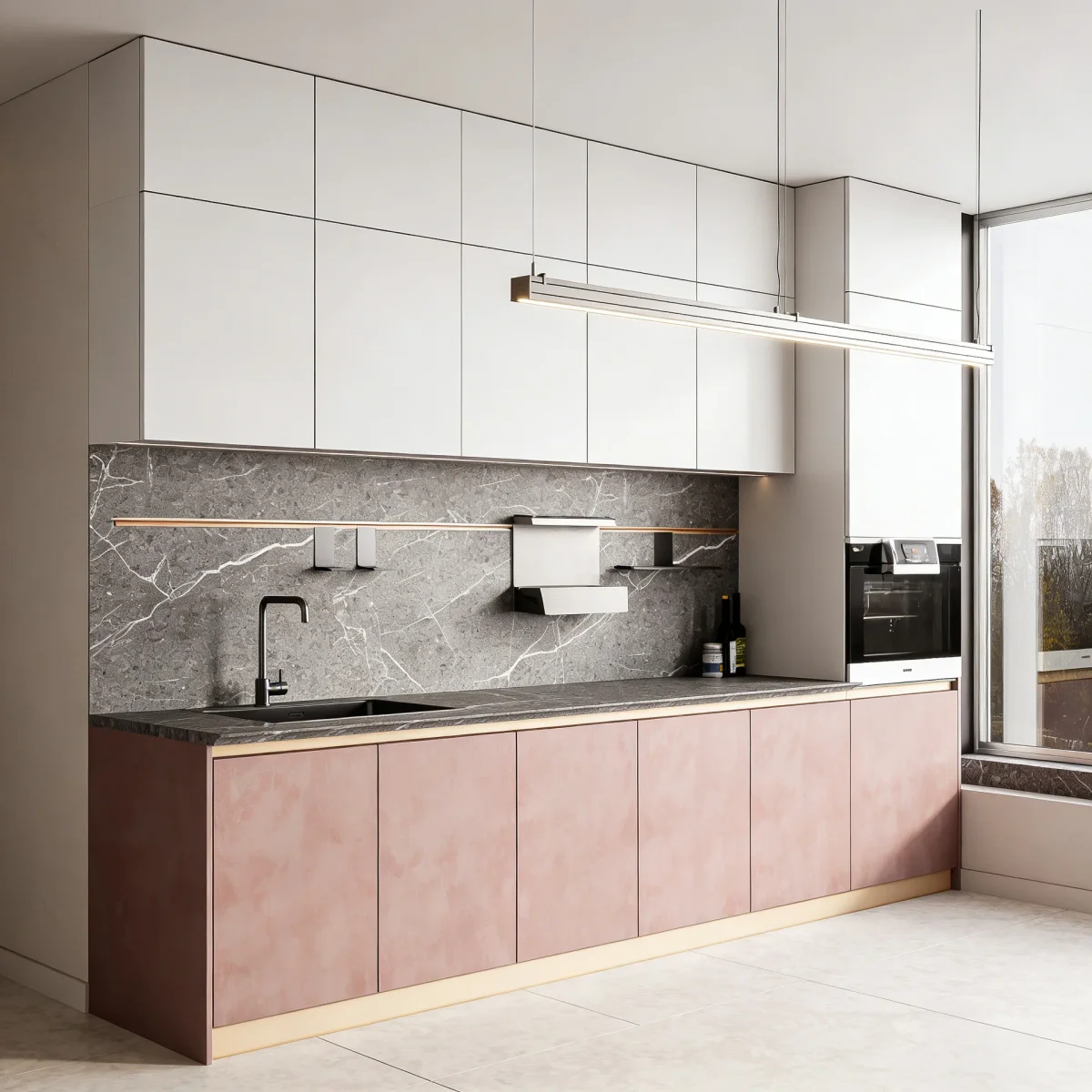
Which Modular Kitchen Is Best for Indian Cooking?
For heavy Indian cooking:
- Parallel kitchen
- U-shaped kitchen
- Closed kitchens
usually perform better because they:
- Handle workflow efficiently
- Separate cooking zones
- Support larger storage needs
What Most People Get Wrong
Many people choose kitchens based only on:
- Images
- Trends
- Social media aesthetics
But the right kitchen should be chosen based on:
- How much you cook
- Number of users
- Storage habits
- Available space
- Ventilation
Because a kitchen is not just visual, it’s functional.
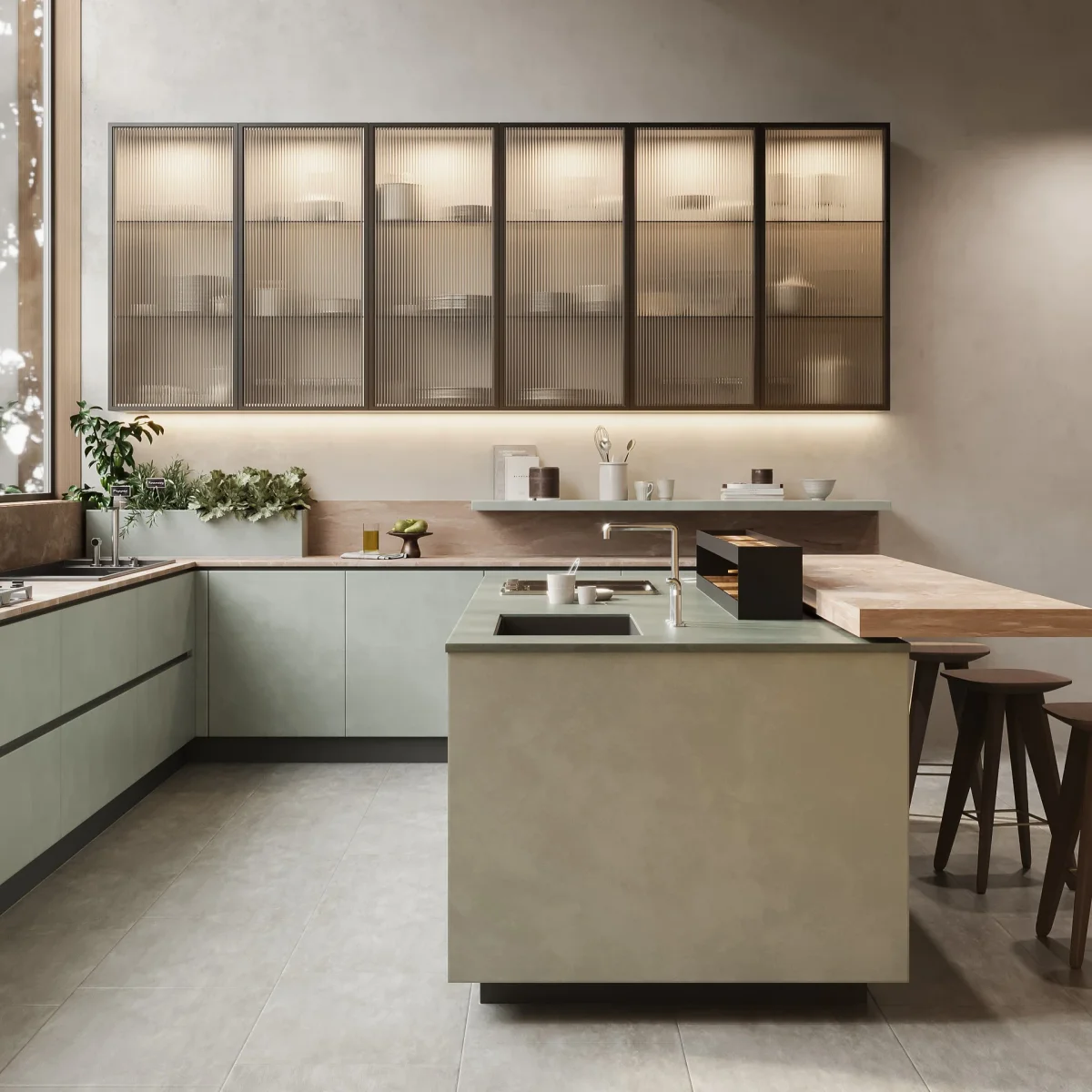
Final Thoughts
There is no universally “best” modular kitchen.
The right choice depends on:
- Your lifestyle
- Your space
- Your daily routine
A beautiful kitchen that doesn’t work well becomes frustrating very quickly.
But a kitchen designed around your real needs becomes something you enjoy using every day.
And that’s what truly makes a modular kitchen successful.