
What Is The 5-Zone Kitchen? Why Should One Implement It?
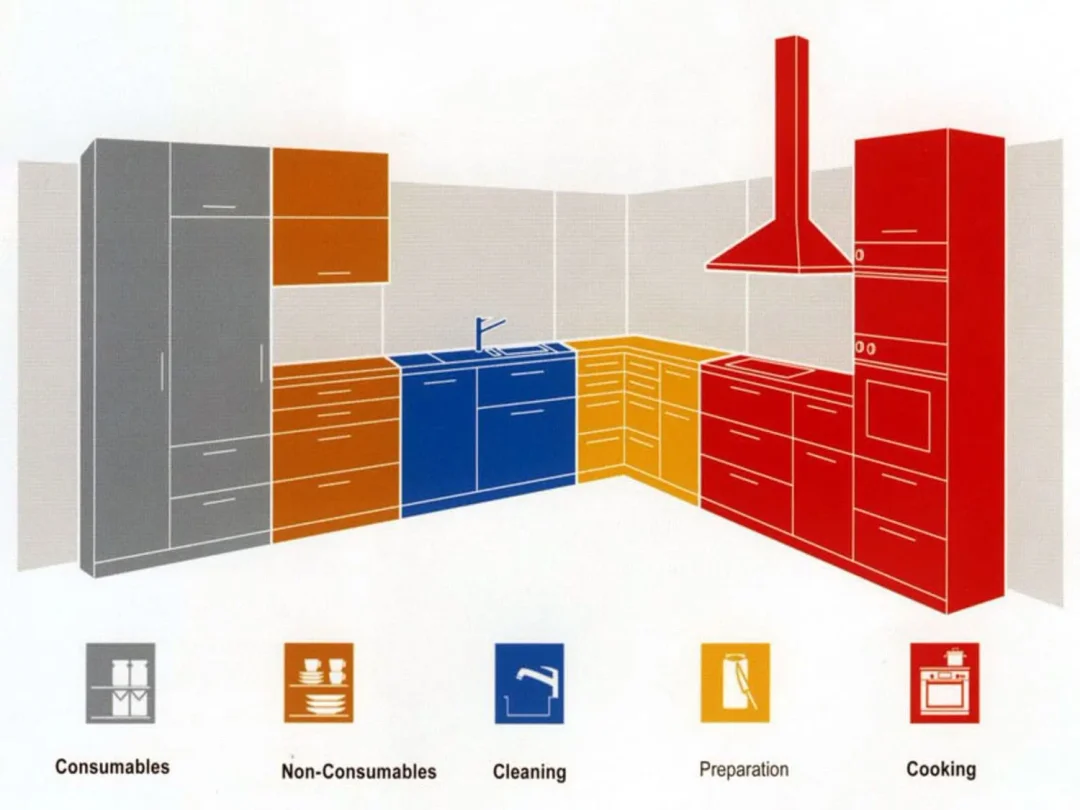
A 5-zone kitchen divides the space into dedicated areas for consumables, non-consumables, cleaning, preparation, and cooking to make everyday work more organised and efficient.
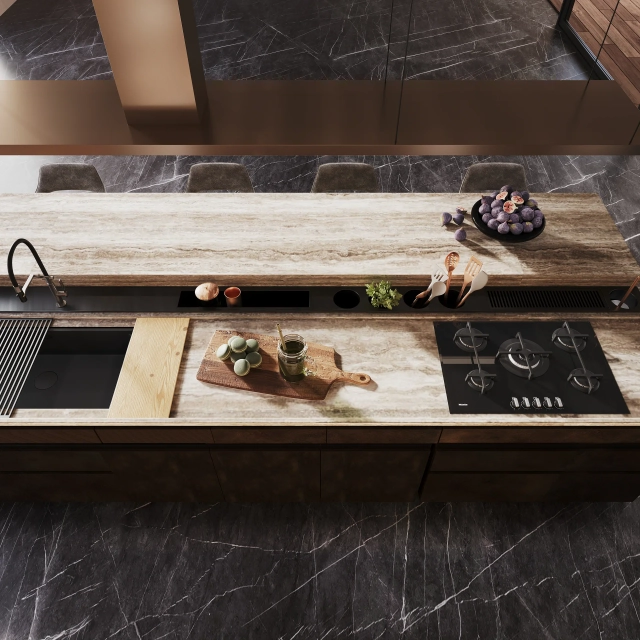
We all know how quickly a kitchen can become cluttered when more than a few people are using it at the same time. Cooking, cleaning, serving, and storing all happen in one space, so without a logical system the room can feel chaotic very quickly.
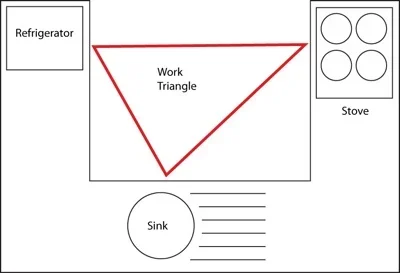
The 5-zone kitchen concept is designed to solve that problem. Instead of organising a kitchen only around the traditional work triangle, it groups storage and activities according to the tasks performed in the room. This creates a smoother workflow and makes it easier for more than one person to use the kitchen comfortably.
The five zones are:
- Consumables Zone
- Non-Consumables Zone
- Cleaning Zone
- Preparation Zone
- Cooking Zone
1. Consumables Zone
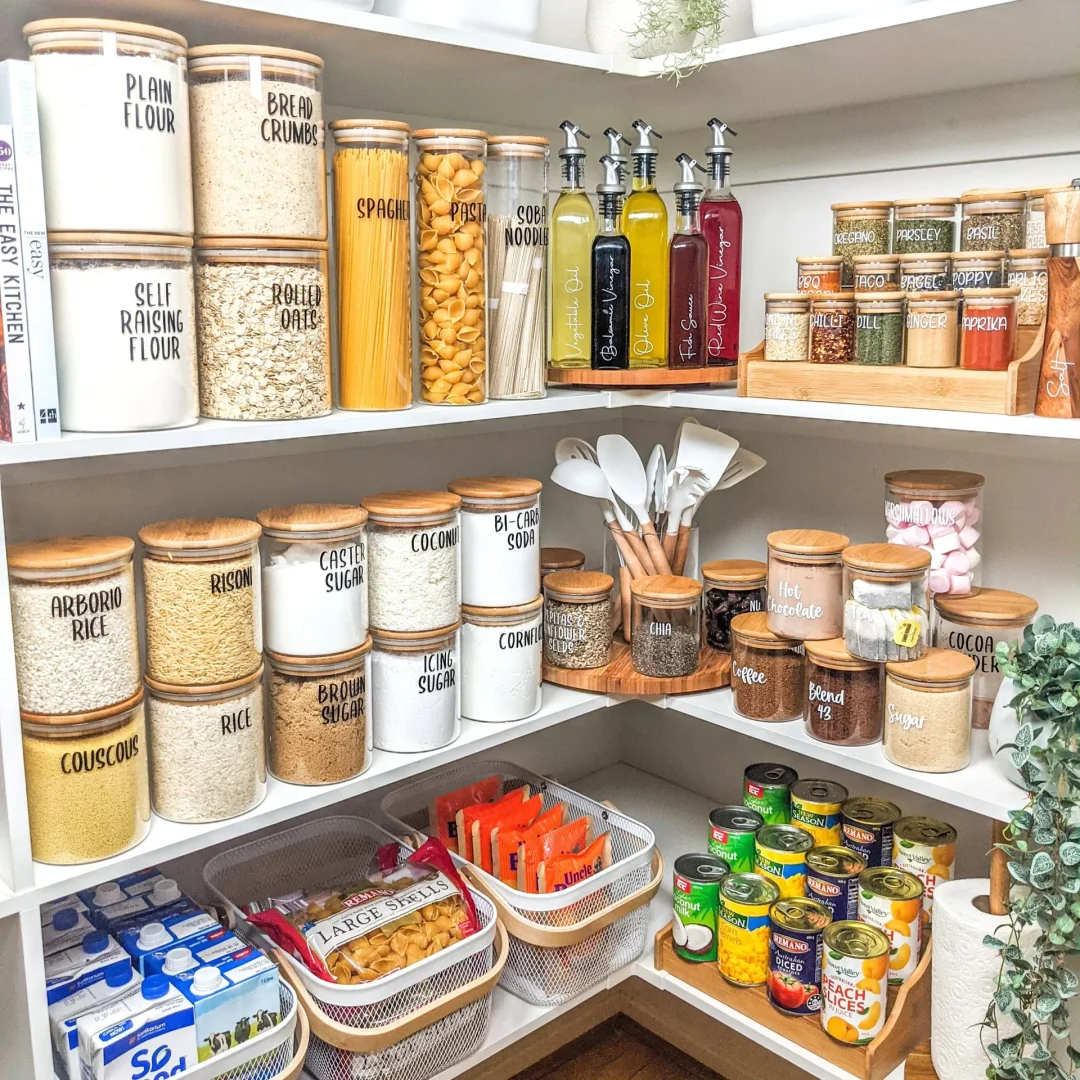
This zone is dedicated to everything you eat or cook with. It includes both fresh and packaged food, so the refrigerator, pantry, tall units, grain storage, spices, oils, and everyday ingredients should be grouped as closely as possible.
Keeping food storage together reduces unnecessary movement while planning or preparing a meal. Ideally, the consumables zone should sit close to the preparation zone so ingredients can move directly from storage to the worktop.
2. Non-Consumables Zone
The non-consumables zone stores the items used for cooking, serving, and eating. This includes crockery, cutlery, dishes, bowls, glasses, tableware, storage containers, pots, pans, and other reusable kitchen essentials.
The exact placement can be split according to use: everyday plates and glasses are most convenient near the cleaning area, while cookware and cooking tools work better closer to the hob and cooking zone.
3. Cleaning Zone
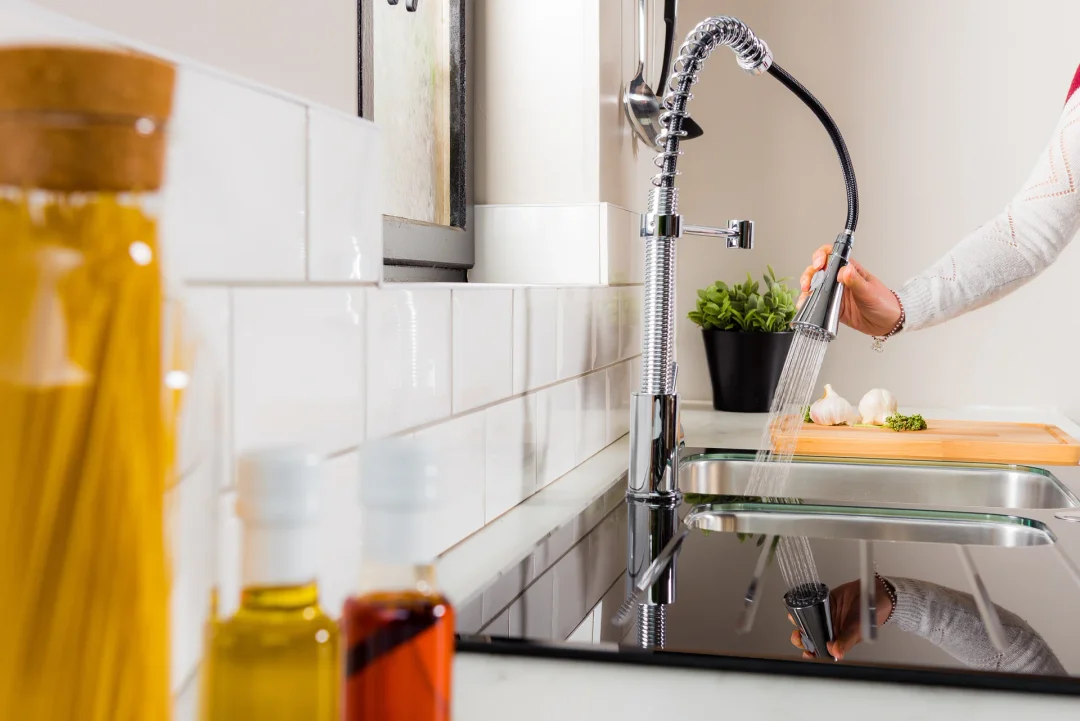
The cleaning zone centres around the sink and should bring together everything involved in washing and waste management. The sink, dishwasher, dustbin, detergents, cleaning supplies, and related accessories should all be within easy reach.
Grouping these items creates a natural cleaning sequence: food waste can be discarded, dishes can be rinsed, and then moved directly into the dishwasher without crossing the rest of the kitchen.
4. Preparation Zone
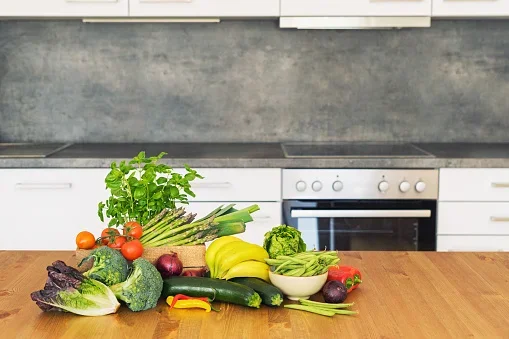
This is the main work area where chopping, mixing, measuring, and ingredient preparation happen. The preparation zone should offer enough clear countertop space and keep frequently used tools close by.
Knives, chopping boards, bowls, measuring tools, small prep appliances, spices, oils, and other everyday essentials belong here. Positioning this zone between consumables and cooking makes the workflow especially efficient.
5. Cooking Zone
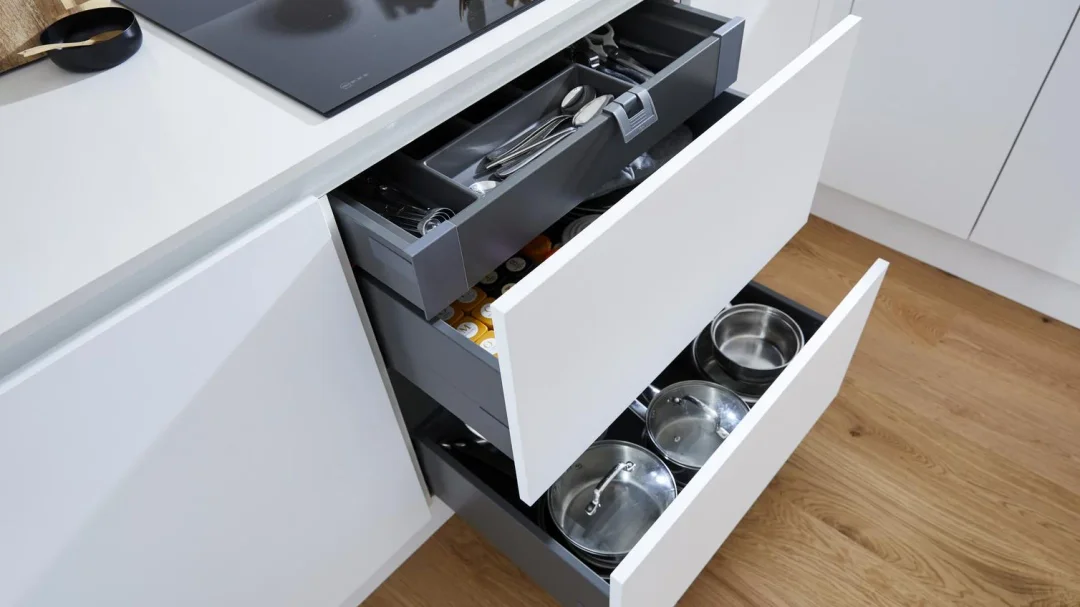
The cooking zone contains the hob or stove and may also include the oven, microwave, chimney, or a complete cooking range. Pots, pans, spatulas, ladles, oven mitts, and other cooking tools should be stored nearby so they can be reached without interrupting the cooking process.
This zone works best when it sits directly next to the preparation area, allowing ingredients to move from prep to heat with minimum travel.
Why Should You Implement a 5-Zone Kitchen?
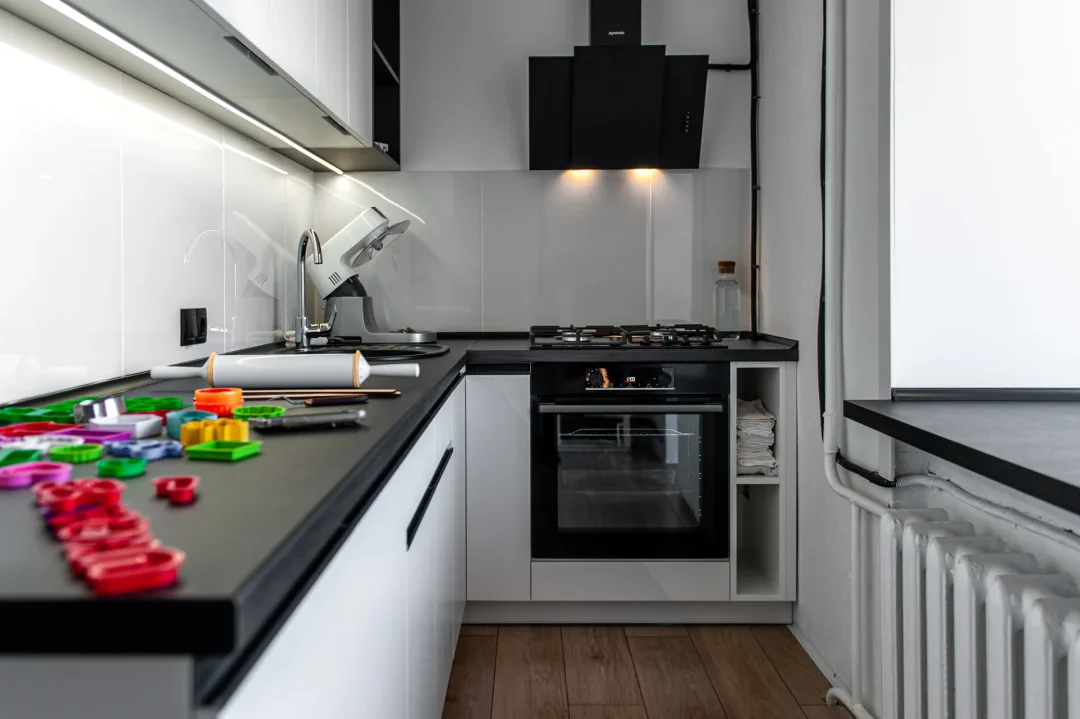
A 5-zone kitchen is not only about organisation. It is about designing the space around how people actually use it. By keeping related items and activities together, the kitchen becomes easier to navigate, faster to work in, and more comfortable for multiple users.
- Reduces unnecessary movement while cooking
- Keeps similar items together and easier to find
- Improves storage planning and accessibility
- Allows more than one person to work without creating traffic conflicts
- Makes cleaning and putting items away faster
- Works with linear, L-shaped, parallel, U-shaped, peninsula, and island kitchens
Final Thoughts
The most effective kitchen is one that feels intuitive in everyday use. The 5-zone principle gives every major kitchen task a logical home, helping storage, preparation, cooking, and cleaning flow naturally from one area to the next.
Whether you are planning a new modular kitchen or reorganising an existing one, thinking in zones can help you create a space that is calmer, more efficient, and easier to live with every day.