
What to Consider Before Designing A Modular Wardrobe?
Before designing a modular wardrobe, understand layout, materials, storage, and functionality to build a space that fits your needs.
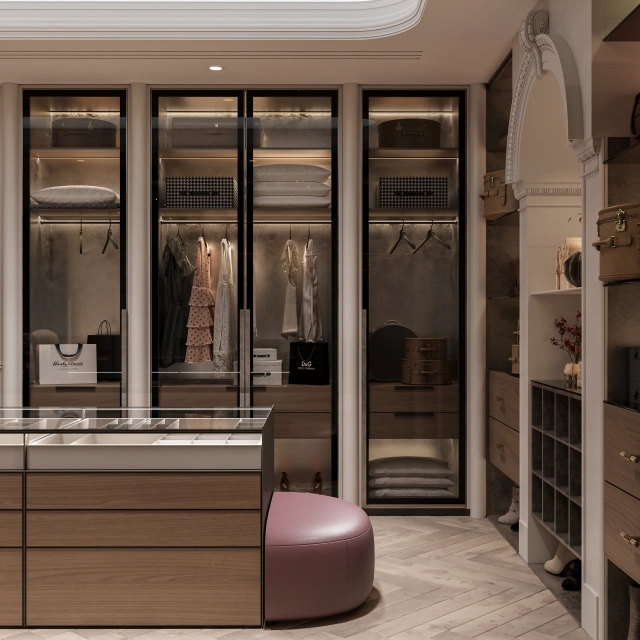
A well-designed wardrobe starts with a bit of planning before anything else. Taking a little time at this stage can prevent a lot of changes later. Here are a few things to think through before you finalise your design.
1. Understand Your Requirements
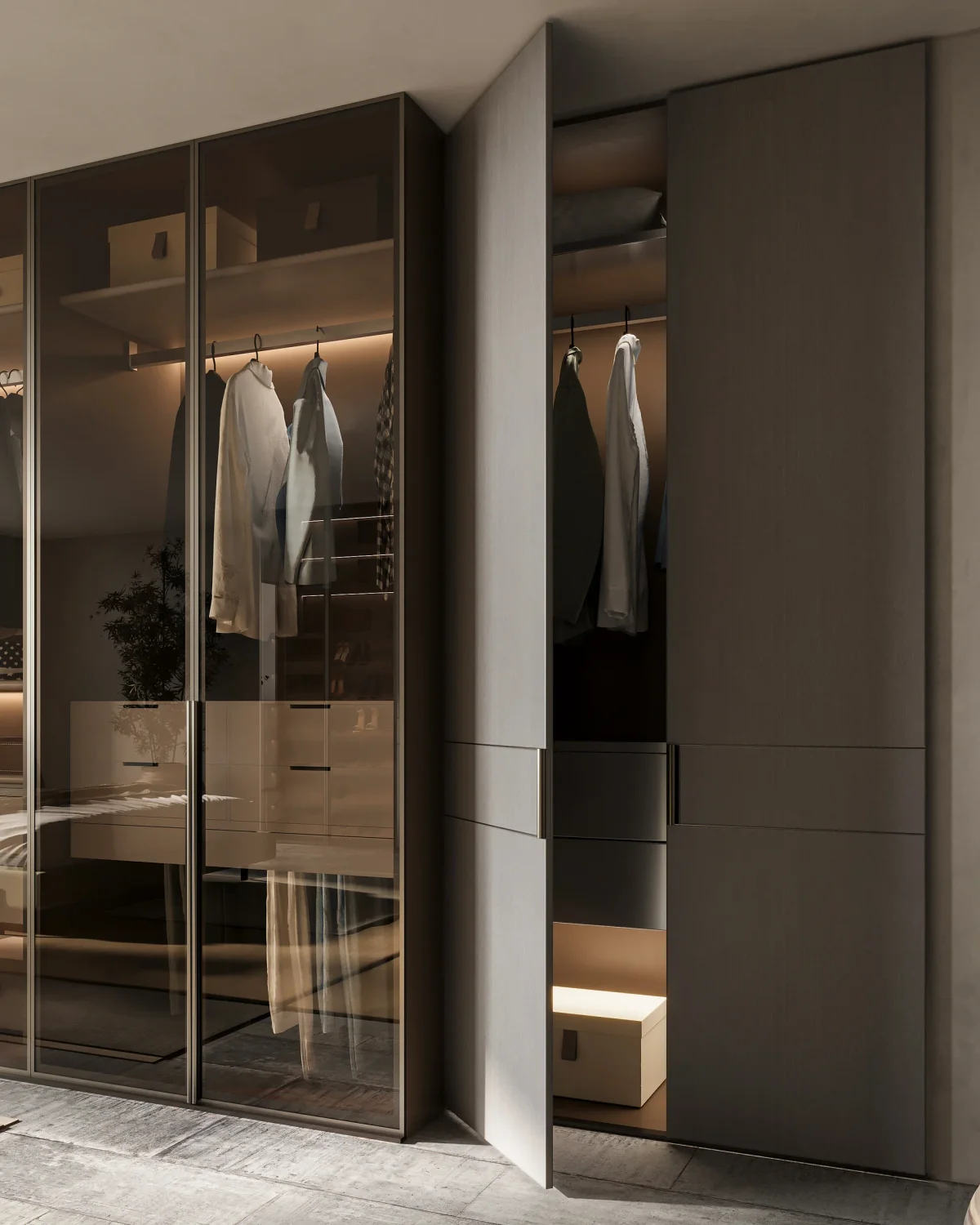
Start with how you actually use your wardrobe. Do you need more hanging sections, shelves, or drawers?
Also think about how many people will be using it and what each person needs. It helps avoid adding storage you don’t really need.
2. Plan the Right Layout
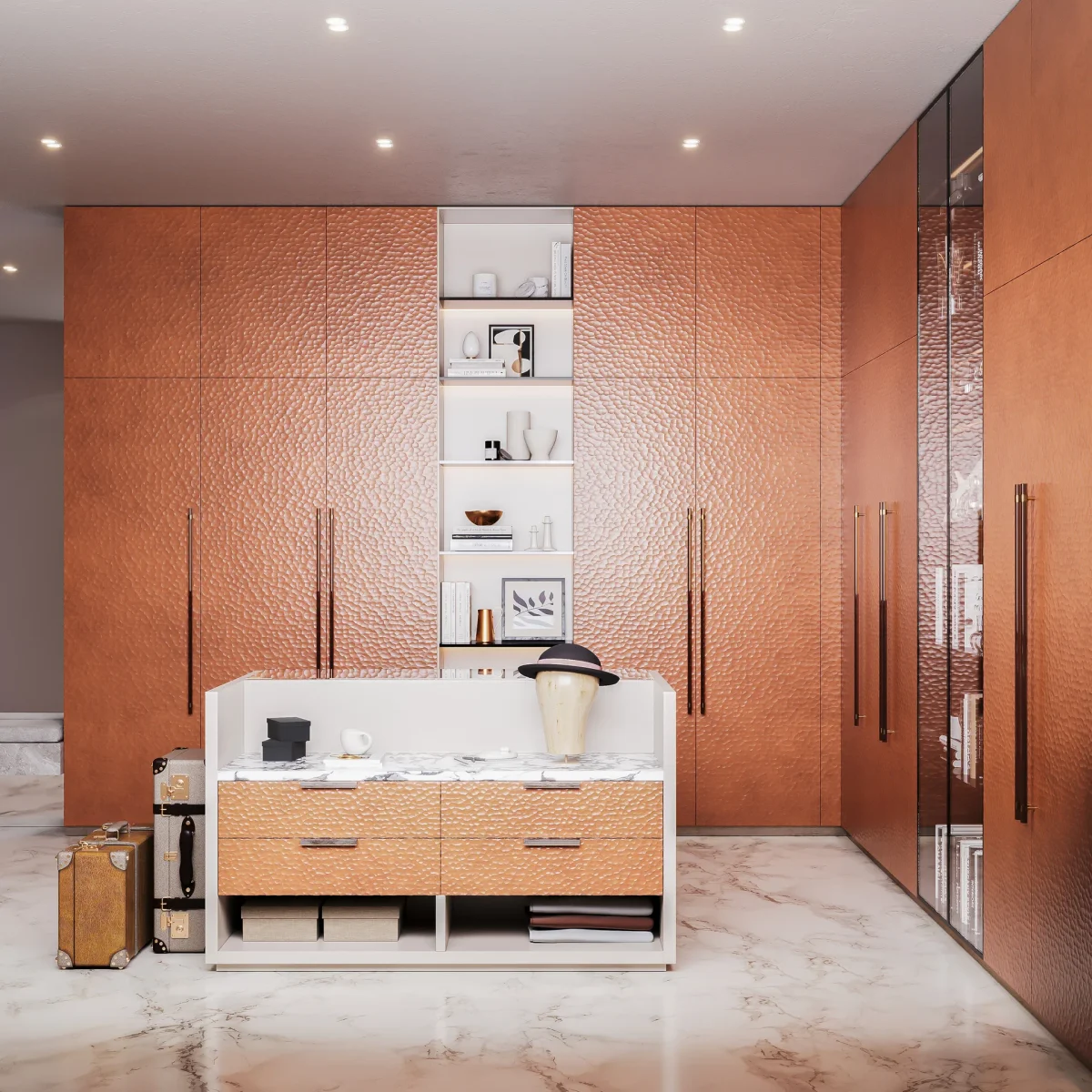
The wardrobe should fit into your room without making it feel tight. You should be able to open it easily and move around without any obstruction.
A layout that looks good on paper but feels awkward to move in will not work for long. Your wardrobe should feel natural to use every day.
3. Budget & Cost Planning
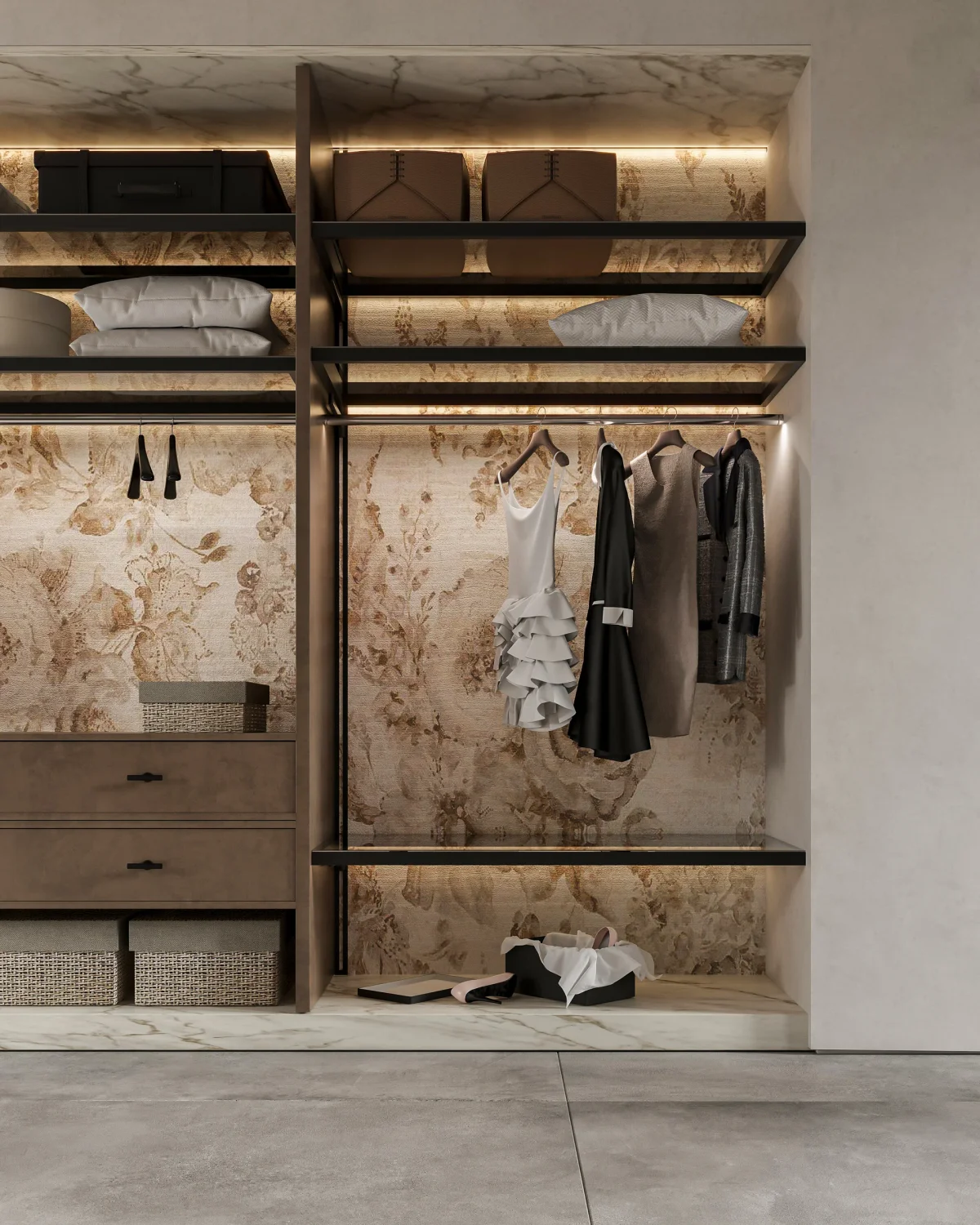
Having a rough budget in place before you get into details helps a lot. Costs can vary depending on materials, finishes, and internal fittings.
It also helps to focus on the parts that matter most first, like structure and hardware, instead of trying to add everything at once.
4. Choose the Right Materials
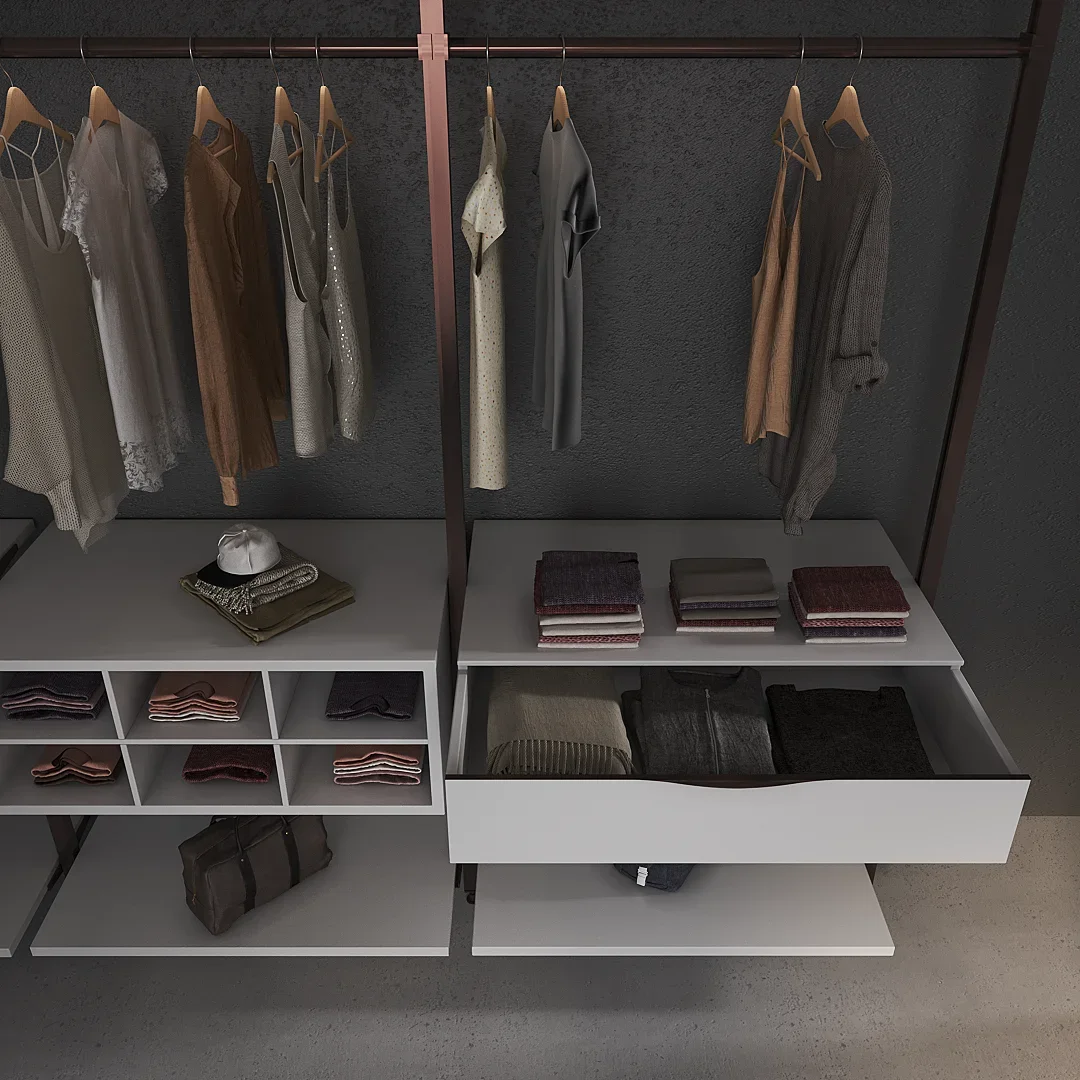
The materials you choose will decide how well your wardrobe holds up over time. If you live in a humid environment, go for options like 304-grade stainless steel that can handle moisture and won’t rust.
5. Choose the Right Door Style
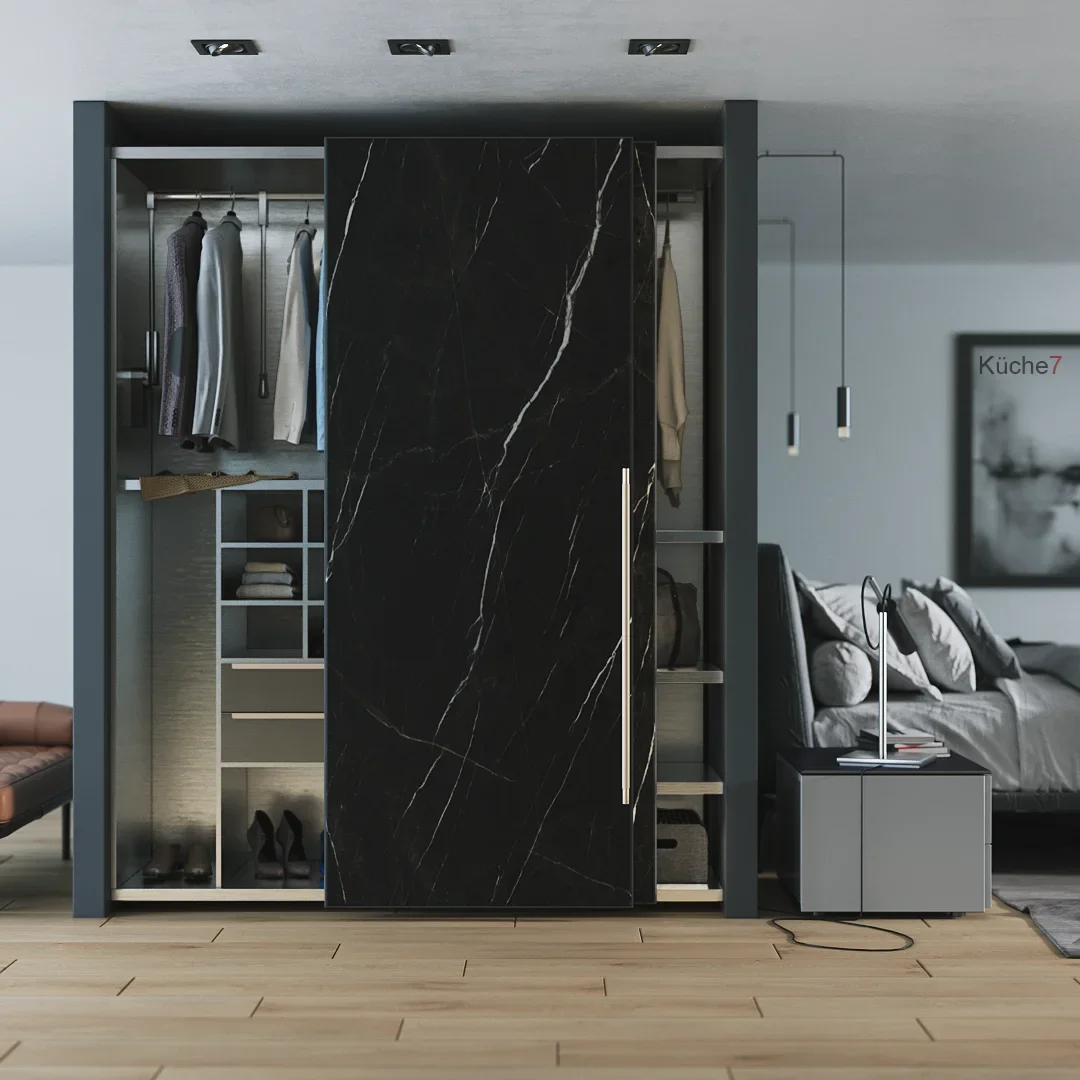
Sliding shutters are useful in tighter rooms where space is limited. Hinged shutters give you full access, which some people prefer. Open wardrobe concepts look good but require more effort to maintain. Pick what feels more convenient in your space and suits your daily routine.
6. Get the Measurements Right
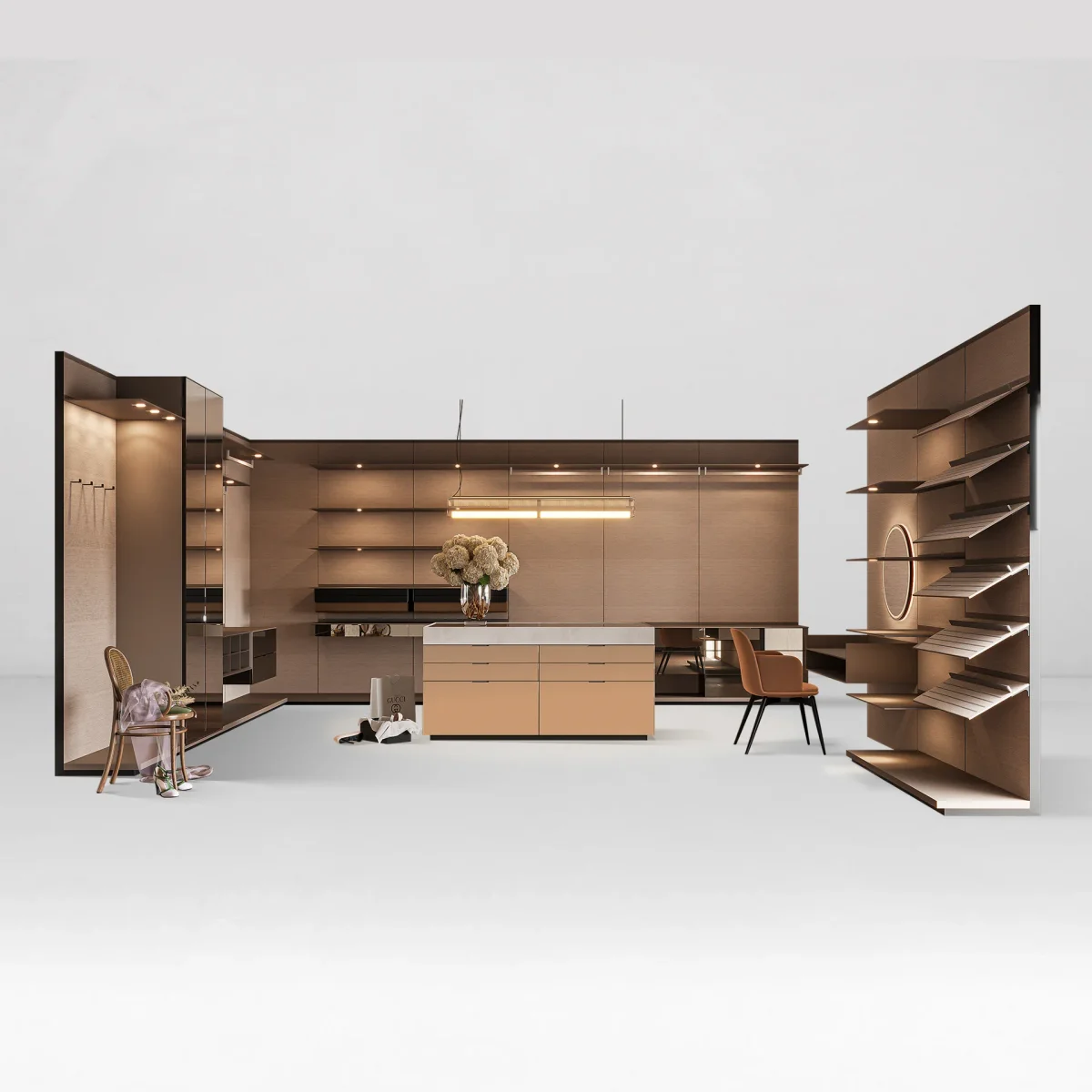
Think about how much hanging space you need, how deep your shelves should be, and whether you can comfortably reach what you use often. Keep daily items within easy reach and push occasional items higher up.
7. Optimise Internal Storage
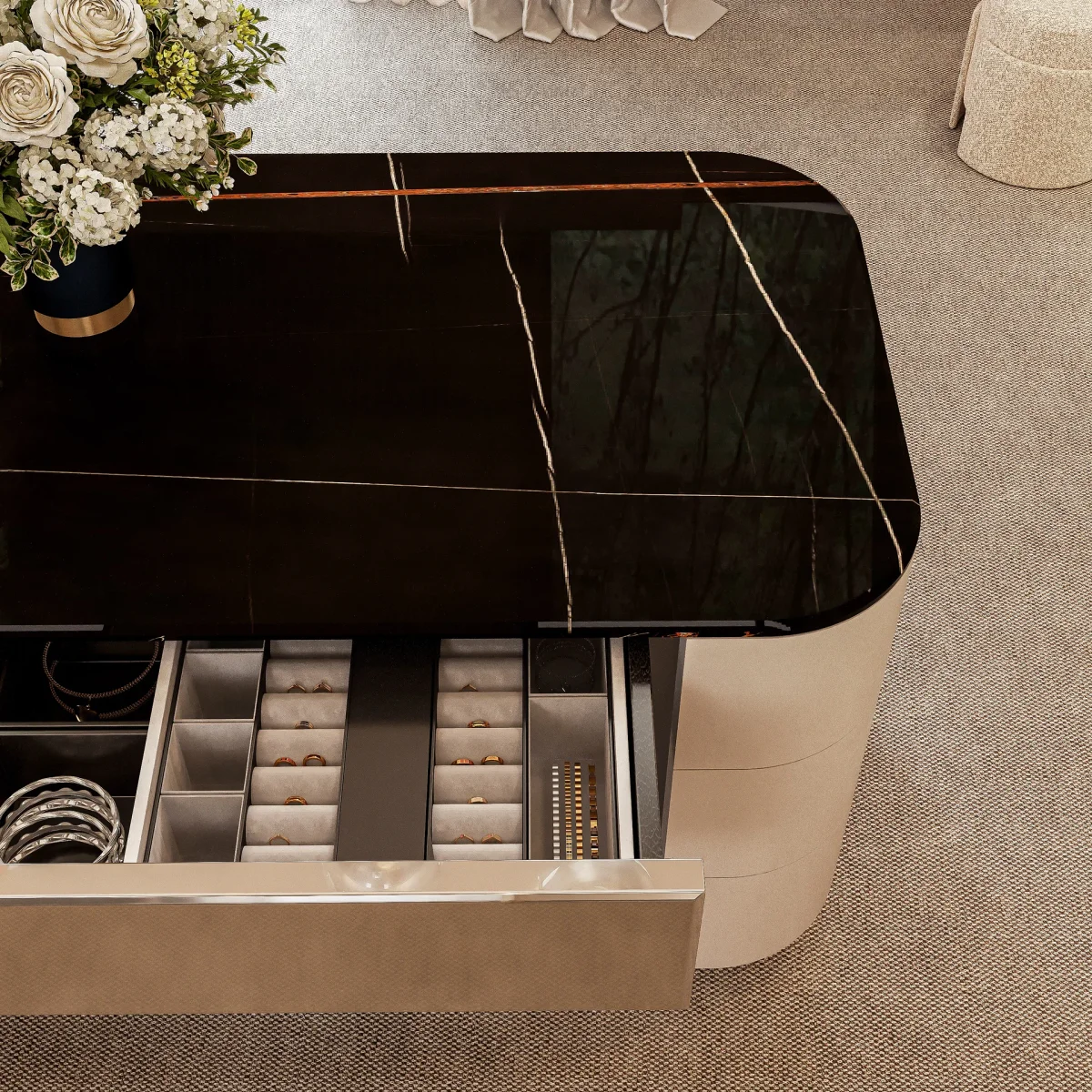
Instead of just shelves, think about drawers, shoe sections, and smaller organisers for jewelleries, belts and so on. Simple additions like these can make everyday use much smoother. They also help keep the space organised without much effort.
8. Ensure Proper Ventilation
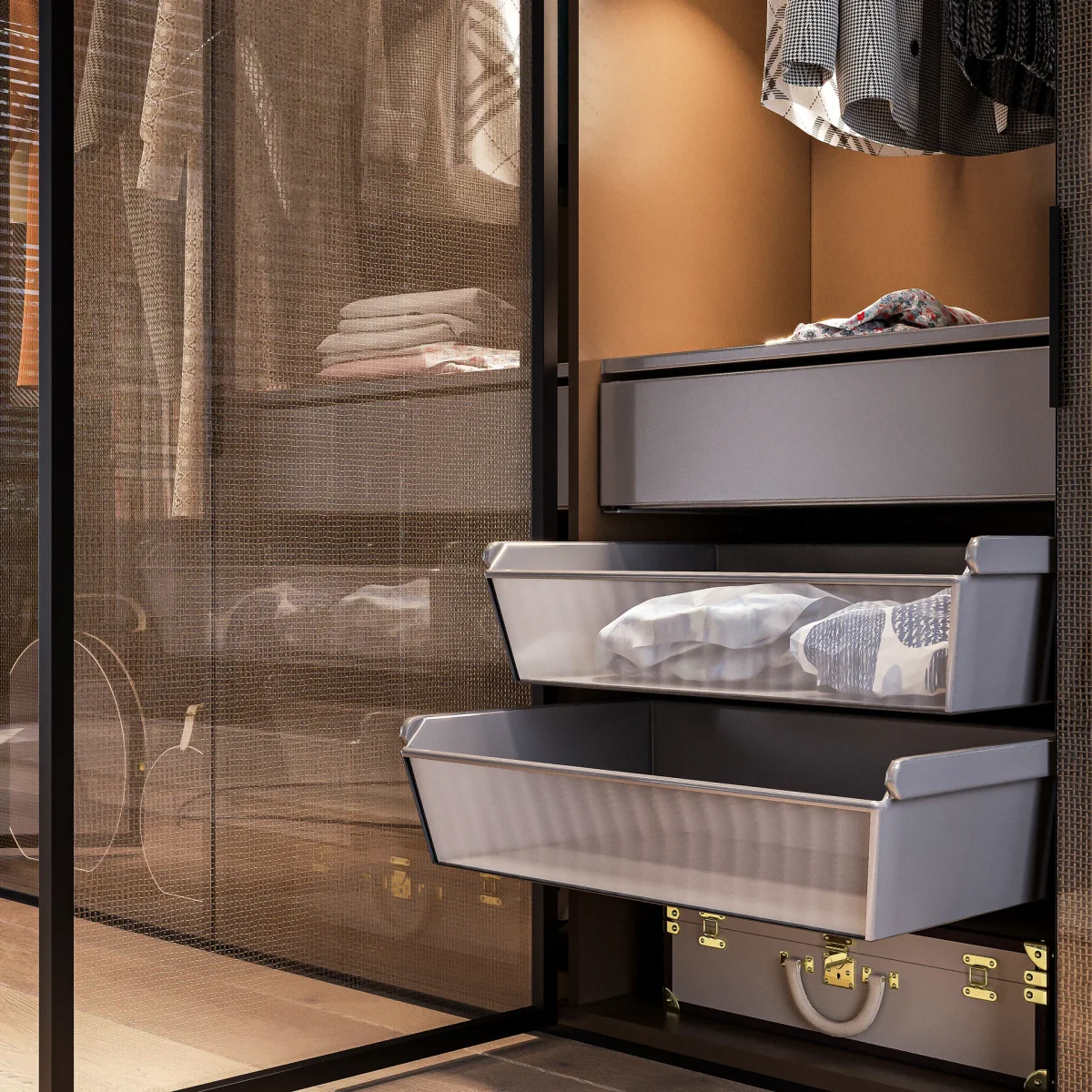
Without airflow, wardrobes can start to feel damp or even develop a smell, especially in humid conditions. A little ventilation can go a long way and helps keep your clothes in better condition.
9. Use Good Lighting
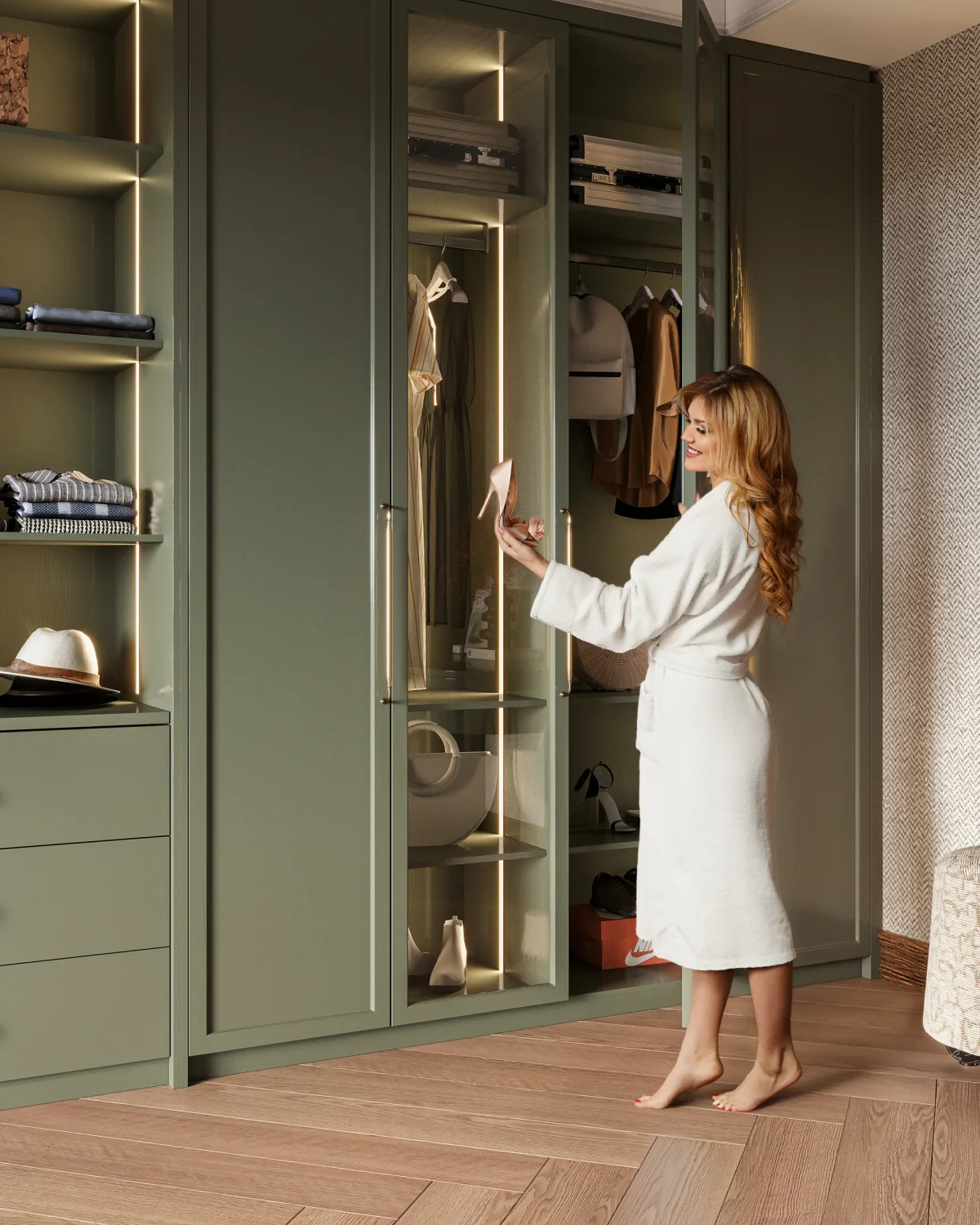
You don’t want to be searching for things in the dark. LED strips or sensor lights are simple additions that make the wardrobe easier to use. It also helps to have good visibility in the deeper sections of your wardrobe.
10. Focus on Hardware Quality
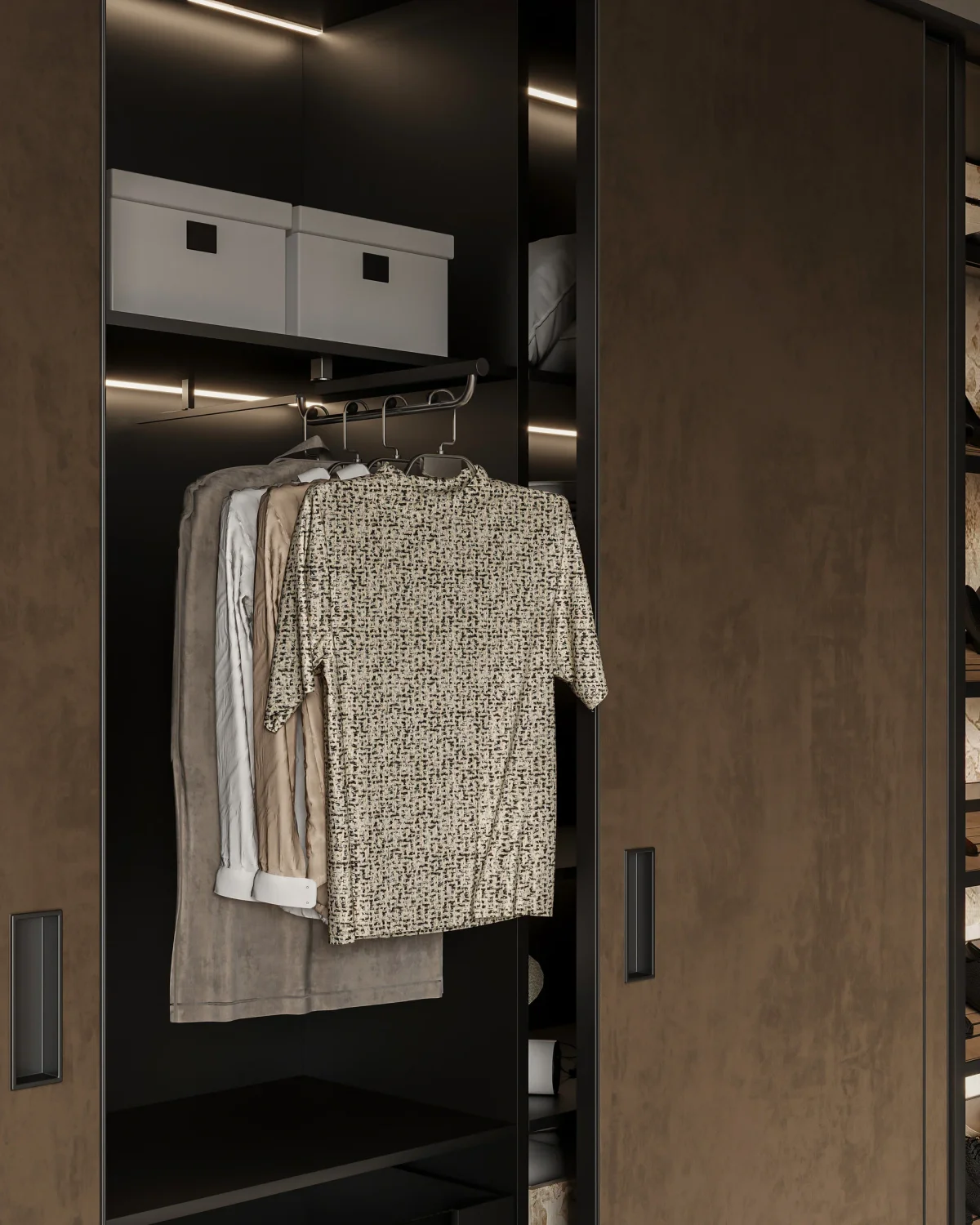
Choose strong and durable hardware. Hinges, channels, and sliding systems need to be reliable for your wardrobe to last long. Check load capacity and finish quality to ensure they can handle regular use.
11. Plan for the Future
Your needs won’t stay the same forever. Leaving some flexibility in the design, like adjustable shelves, makes it easier to adapt later without redoing everything. This saves both time and cost in the long run.
12. Think About Maintenance
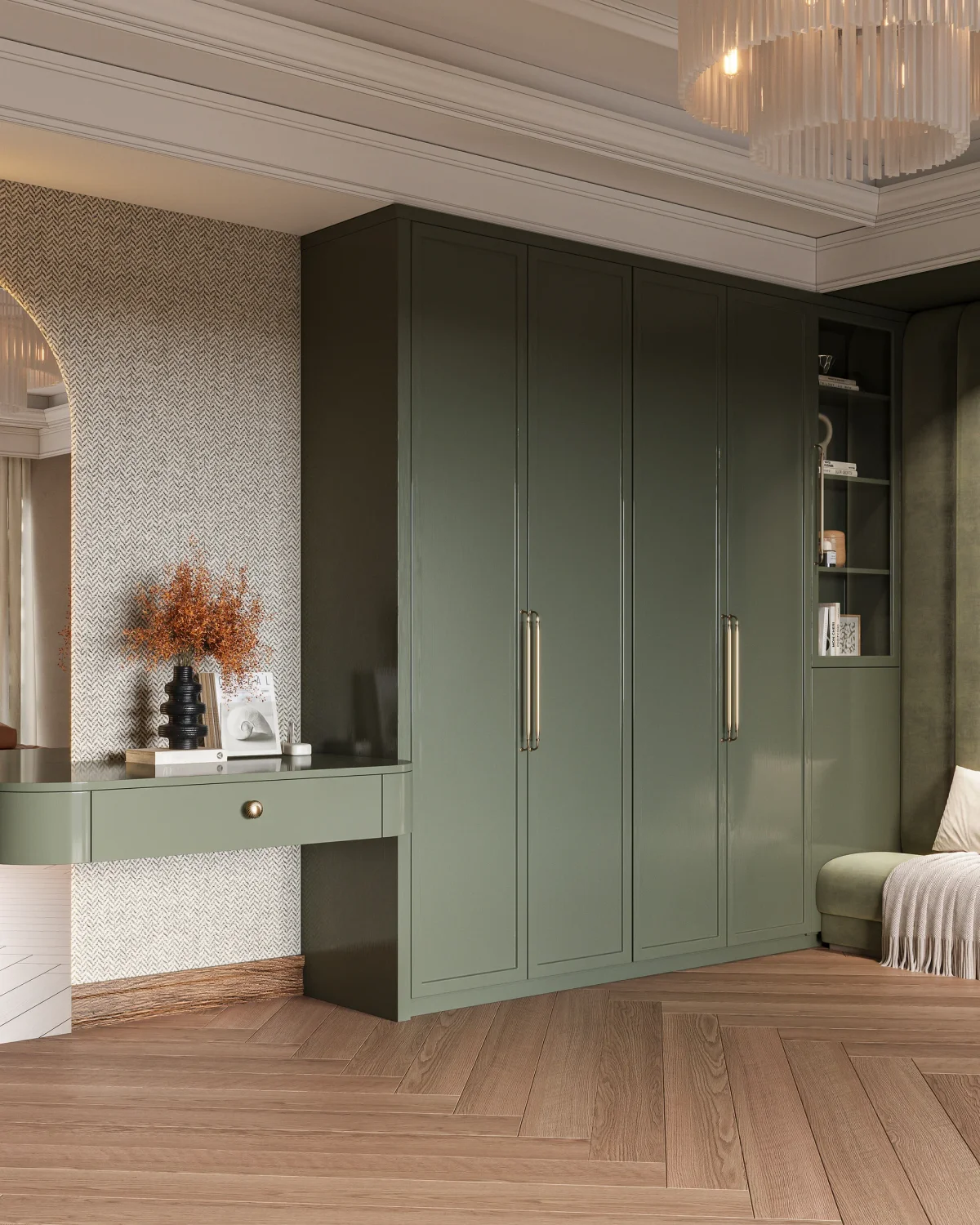
Some finishes look great but need more effort to maintain. Others are easier to live with day to day. It’s worth choosing something that fits your routine and not just your taste. This makes daily upkeep simpler and more manageable.
13. Consider Safety Features
Details like soft-close shutters, well-fitted handles, and smooth edges make the wardrobe safer to use. This matters even more if there are children at home, but it’s useful in general.
14. Match the Finish to Your Room
Your wardrobe should feel like it belongs in your room. Pick a finish that works with the rest of your space so it doesn’t look out of place. A consistent look makes your room feel calmer and more put together.
15. Integrate with the Room
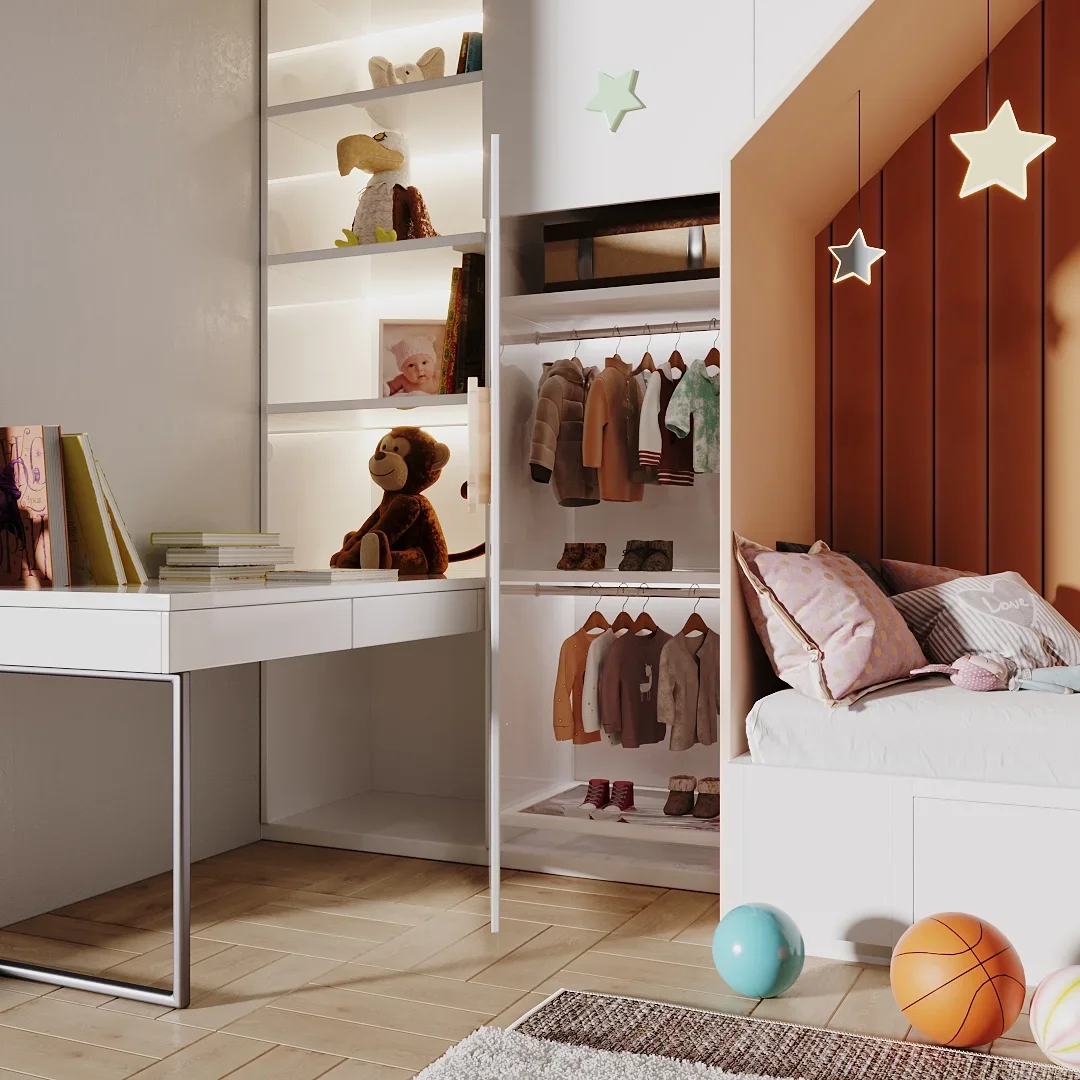
Think of the wardrobe as a part of your room instead of just a storage system. Full-height designs can make your space look cleaner. You can also combine it with a dresser or study area if needed. This helps make better use of all the available space.
Common Mistakes to Avoid
A few things people often get wrong:
- Focusing only on how the wardrobe looks
- Not planning enough hanging space
- Adding features they don’t really need and never end up using
- Choosing materials that don’t suit the environment they’re in
- Overlooking hardware quality
Avoiding these mistakes will save you time, money, and frustration in the long run.
FAQs
1. What is a modular wardrobe and how is it different from a built-in wardrobe?
A modular wardrobe is made of pre-designed units that can be arranged and combined based on your space and needs. Unlike built-in wardrobes, modular ones are easier to reconfigure or move if needed.
2. How do I plan a modular wardrobe for a small bedroom?
Start by measuring your available wall space and ceiling height. Opt for sliding shutters to save floor space, and prioritise vertical storage to make the most of a smaller room.
3. Which material is best for a modular wardrobe in a humid climate?
For humid environments, materials like 304-grade stainless steel work best. These help prevent warping, rust, and odour over time.
4. How much does a modular wardrobe cost?
Costs vary depending on size, materials, finishes, and internal fittings. It helps to set a rough budget early on and prioritise structure and hardware quality before adding extra features.
5. What is the ideal depth for a wardrobe with hanging space?
A minimum depth of 550–600mm is recommended for comfortable hanging. Going deeper than needed can waste space and make items harder to reach.
6. Sliding vs hinged wardrobe doors — which is better?
Sliding doors work better in rooms with limited space. Hinged doors give full access to the interior, which some people find more practical. The right choice depends on your room’s layout and your daily routine.
7. How do I keep my wardrobe organised long-term?
Use a mix of drawers, shelves, and dedicated sections for shoes, accessories, and folded clothes. Adjustable shelves also help you reorganise as your needs change over time.
8. Are soft-close hinges worth it for a wardrobe?
Yes. Soft-close hinges reduce wear on the wardrobe over time and are quieter to use.
9. What lighting works best inside a wardrobe?
LED strip lights or sensor-based lights are the most practical options. They are energy-efficient, easy to install, and improve visibility in deeper sections of the wardrobe.
10. How do I choose the right wardrobe finish for my bedroom?
Pick a finish that complements your existing furniture and wall colour. Matte finishes are easier to maintain, while gloss finishes can make a space look more premium but tend to show fingerprints more easily.