
Why Modular Kitchens Are the Perfect Choice for Bangalore Apartments
See why modular kitchens are perfect for Bangalore apartments with space-saving designs, better workflow, and long-lasting materials.
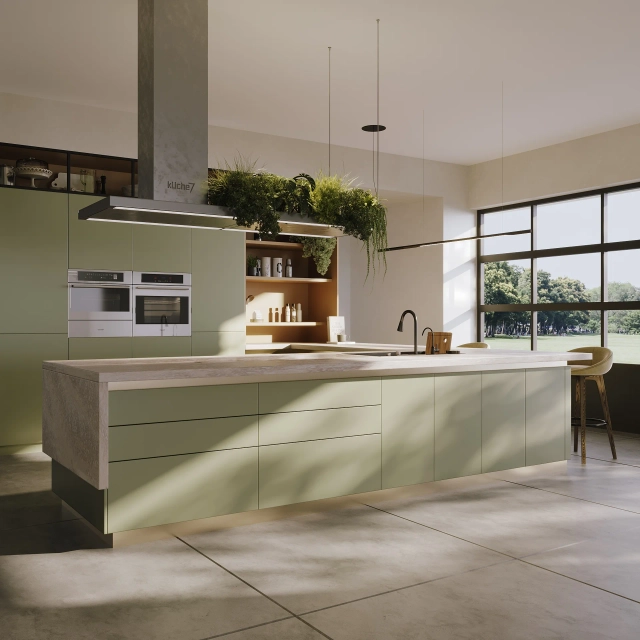
Most Bangalore apartments are designed to maximise living space, and the kitchen usually ends up paying for it. You’re working with limited square footage, humidity that peaks every monsoon, and the demands of daily Indian cooking. Traditional carpenter-built kitchens were never really built to handle all three issues at once.
Modular kitchens approach this problem differently. Rather than building on-site from raw materials, modular systems are assembled from pre-manufactured units: cabinets, drawers, and pull-outs that are planned and fitted together as a cohesive whole. The difference isn’t just in the looks but in how the kitchen actually performs every day.
1. Space Optimisation
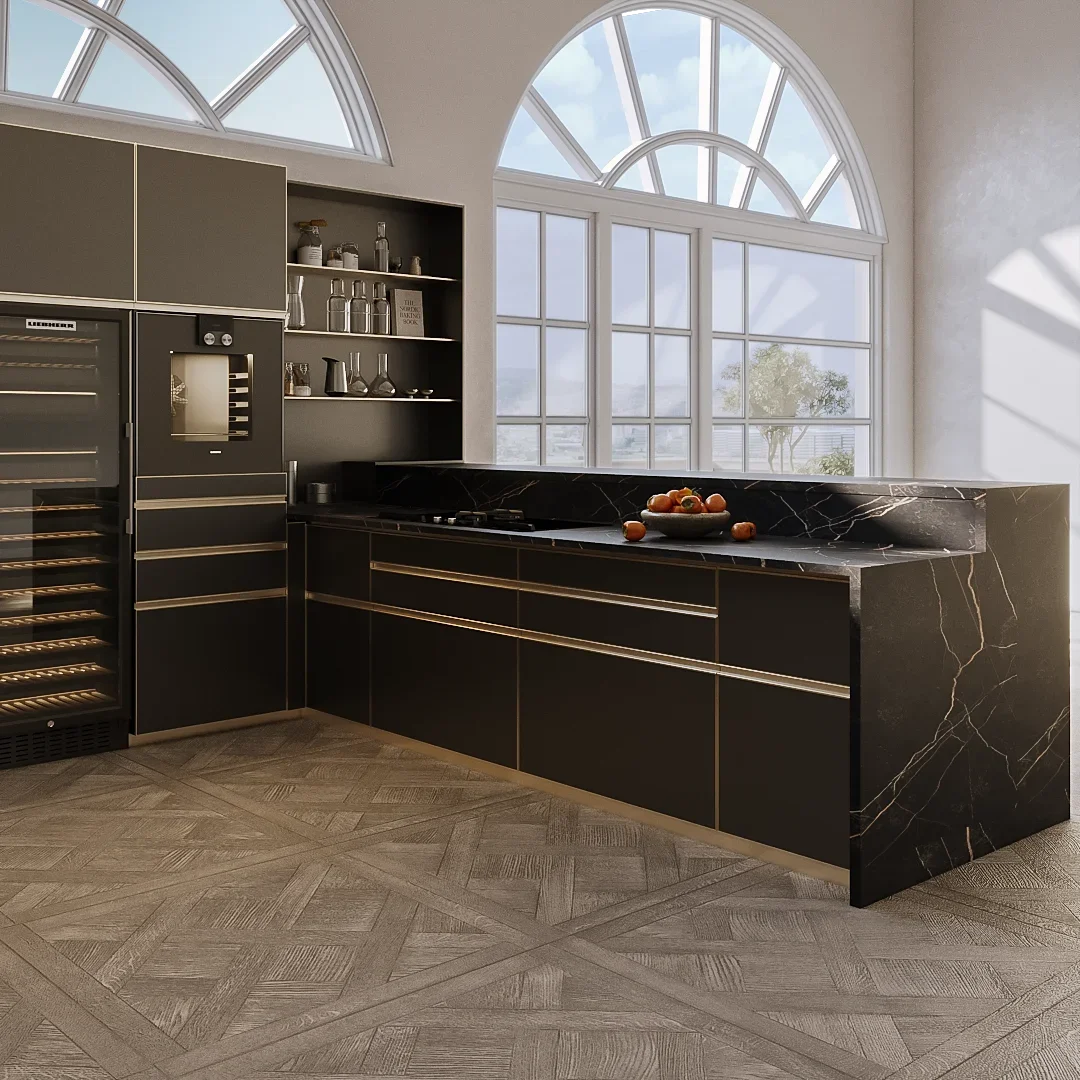
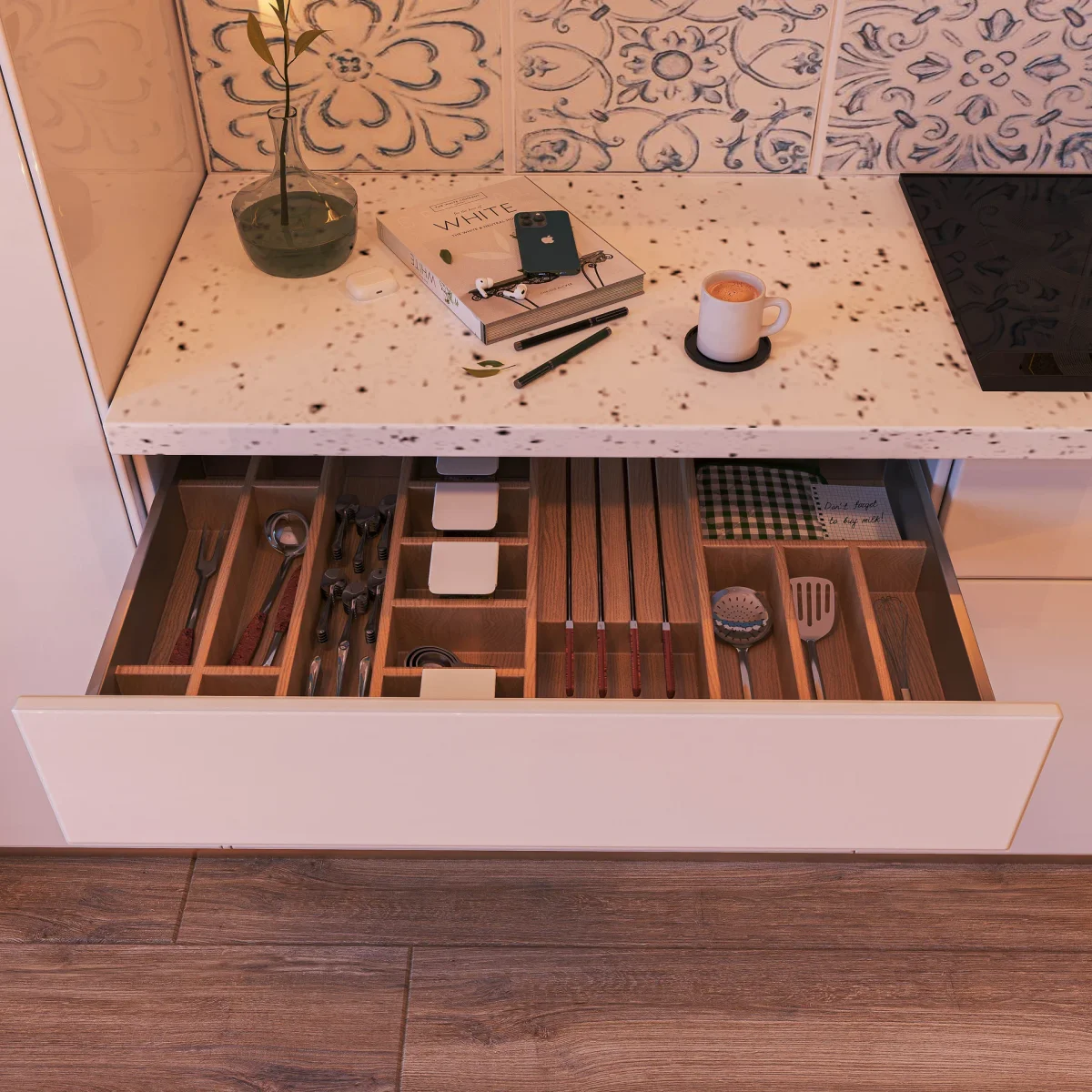
In busy areas like Whitefield or Sarjapur, apartment space is at a premium. Traditional kitchens waste a lot of room with clunky, fixed shelves, and corners often become "black holes" where vessels and dabbas go to disappear forever. Modular kitchen design solves this by making use of every available inch of space. Tall units maximise vertical storage, while functional solutions like magic corners (rotating or sliding shelves that bring the contents of a corner cabinet directly out to you) mean you never have to kneel on the floor or reach into a dark cupboard again.
Beyond standard drawers and cabinets, modular designs also introduce storage solutions that keep your counters clear and usable. Features like floor-to-ceiling pantries and pull-out larders allow for bulk grocery storage that stays organised and easily accessible. Even the space beneath your kitchen island can serve as storage for heavy pots and pans, keeping your workspace clutter-free.
2. Better Kitchen Workflow
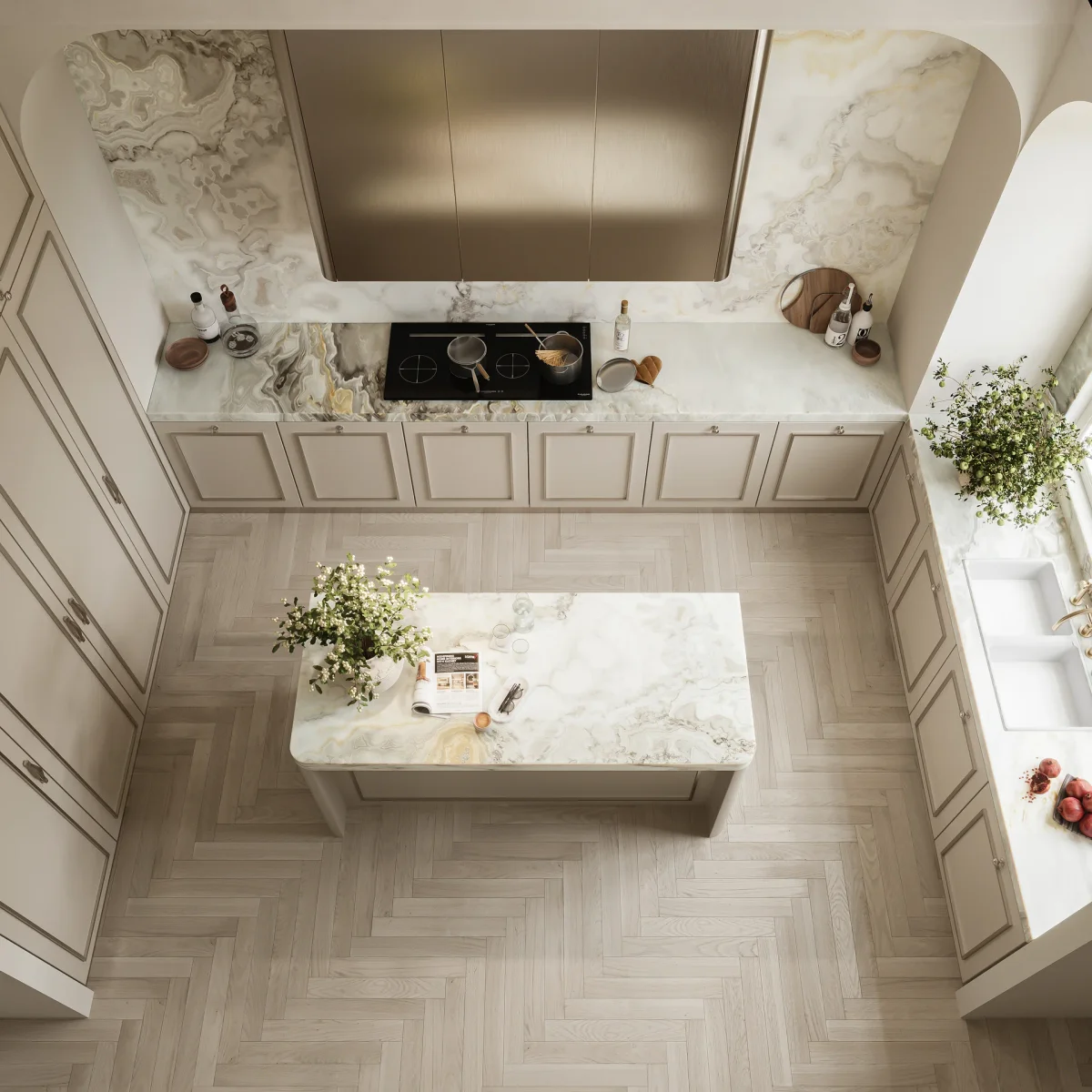
If you've ever felt like you're constantly dodging family members while cooking, your kitchen's layout is likely the problem. Modular design solves this by grouping activities into logical zones: a prep zone near the sink where washing and chopping happens, a cooking zone around the stove, and a storage zone for groceries and dry goods. By positioning these zones in a sequence that mirrors how you actually cook, the entire process of getting a meal ready becomes much smoother. This means that two people can work in the kitchen simultaneously without getting in each other's way.
3. Durability for the Local Climate
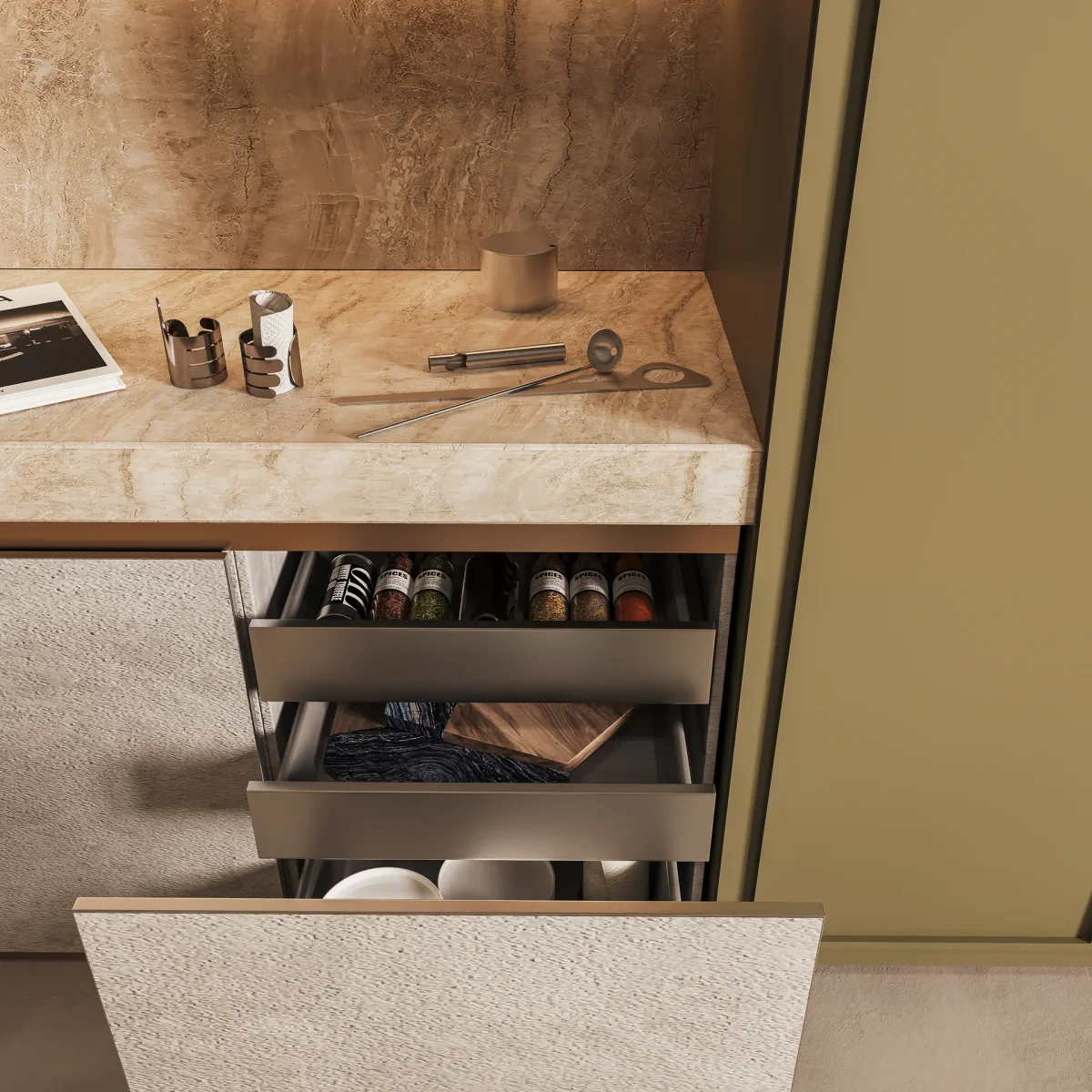
Bangalore's monsoons bring high humidity that causes traditional wood-based cabinets to swell, warp, or crack over time. There's also the constant threat of termites, which can completely ruin a wooden kitchen from the inside out before you even notice the damage. Modular kitchen cabinets are available in resilient materials like marine-grade plywood, moisture-resistant MDF, or stainless steel, all of which hold up well against the city's climate without attracting pests or absorbing moisture.
4. Stress-Free Maintenance
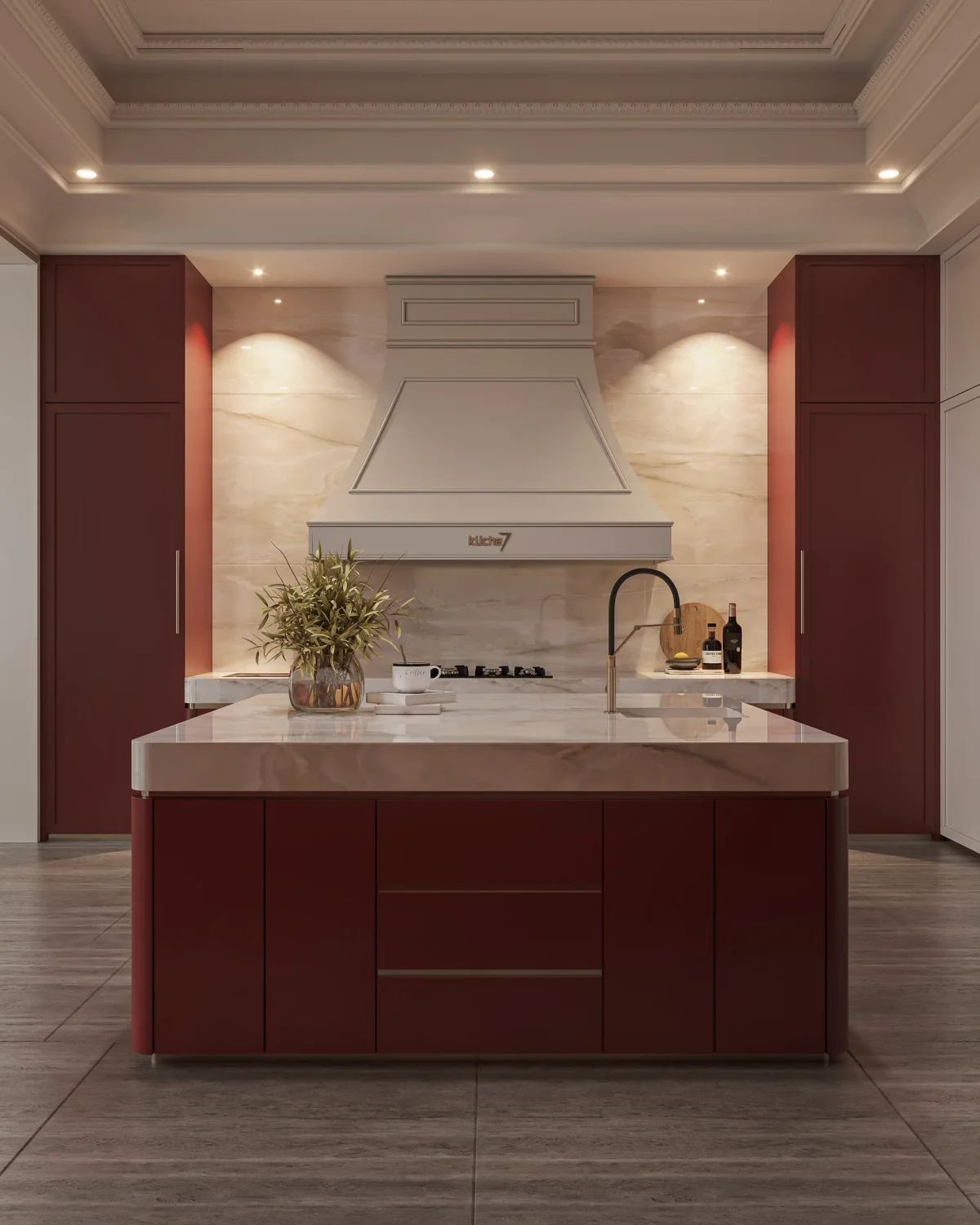
Between the city's constant construction dust and the inevitable spills of oil and turmeric, easy maintenance becomes a necessity, not a luxury. Modular units are designed with non-porous finishes that can be wiped clean in seconds. Unlike traditional wooden cabinets that absorb stains or smells over time, these surfaces continue to look fresh with minimal effort.
Even ventilation is handled more effectively by using chimneys that suck out any grease or cooking fumes before they can settle into that sticky layer on top of your cabinetry.
5. Tech Integration
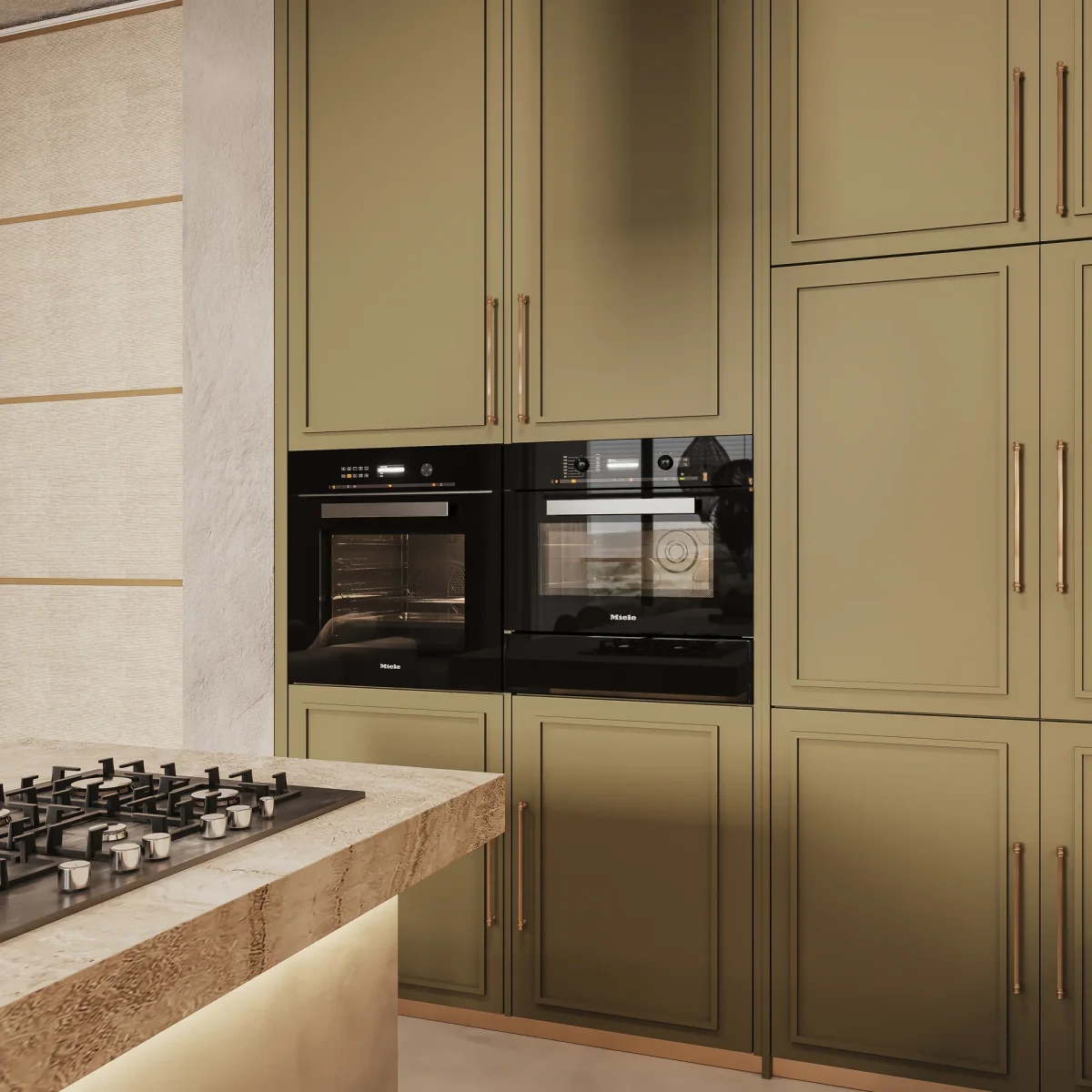
Most homes now have a growing collection of kitchen gadgets like air fryers, coffee machines, and the trusty OTGs. In a traditional kitchen, these usually end up fighting for counter space. A modular setup fixes this with better design.
You can add dedicated appliance hubs, essentially a section of cabinetry with built-in power points and rolling shutters that keep everything hidden when not in use. You can also add built-in ovens and microwaves that sit flush within the cabinetry at eye level, creating a more fluid look that frees up even more counter space.
6. Timeless Aesthetics
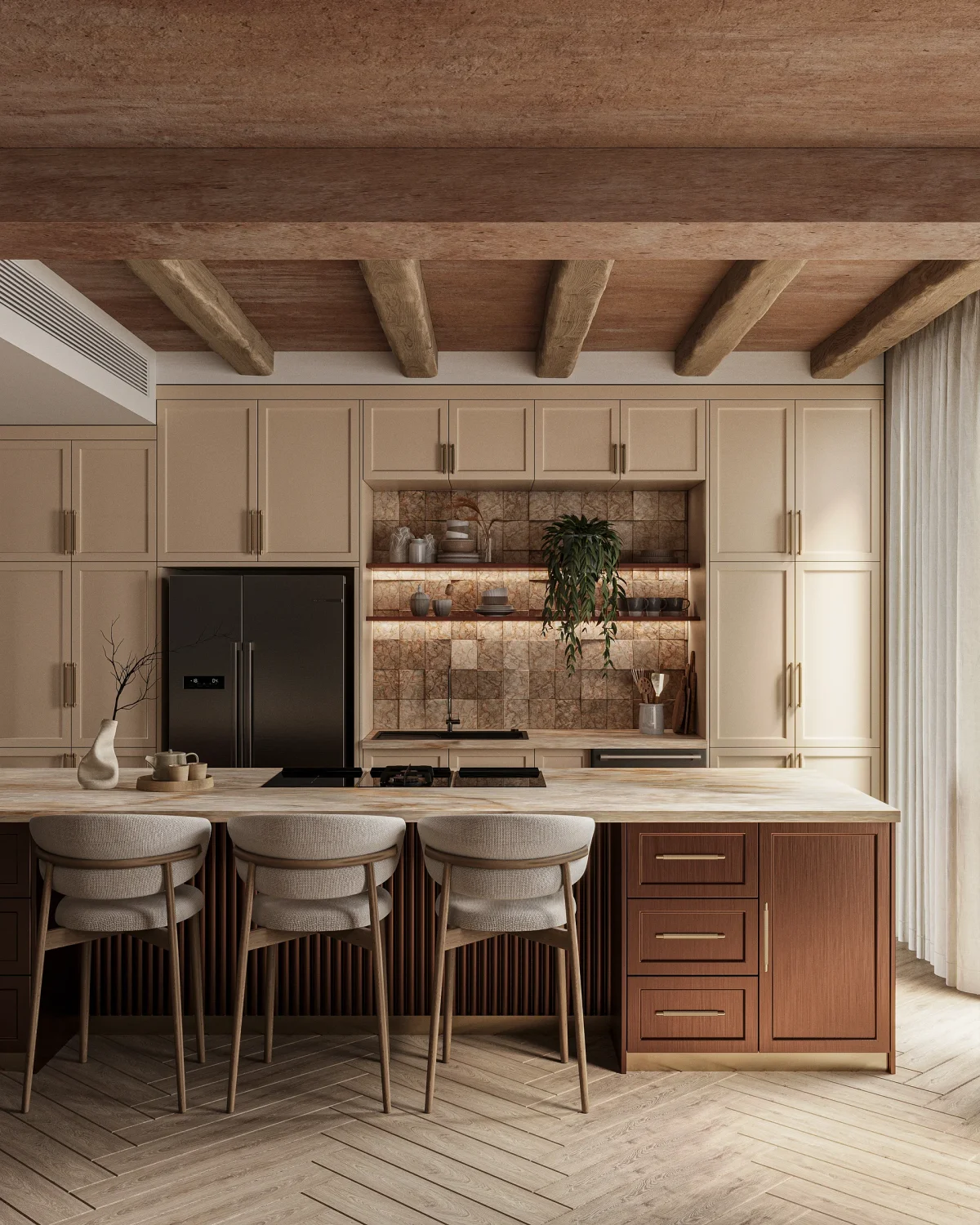
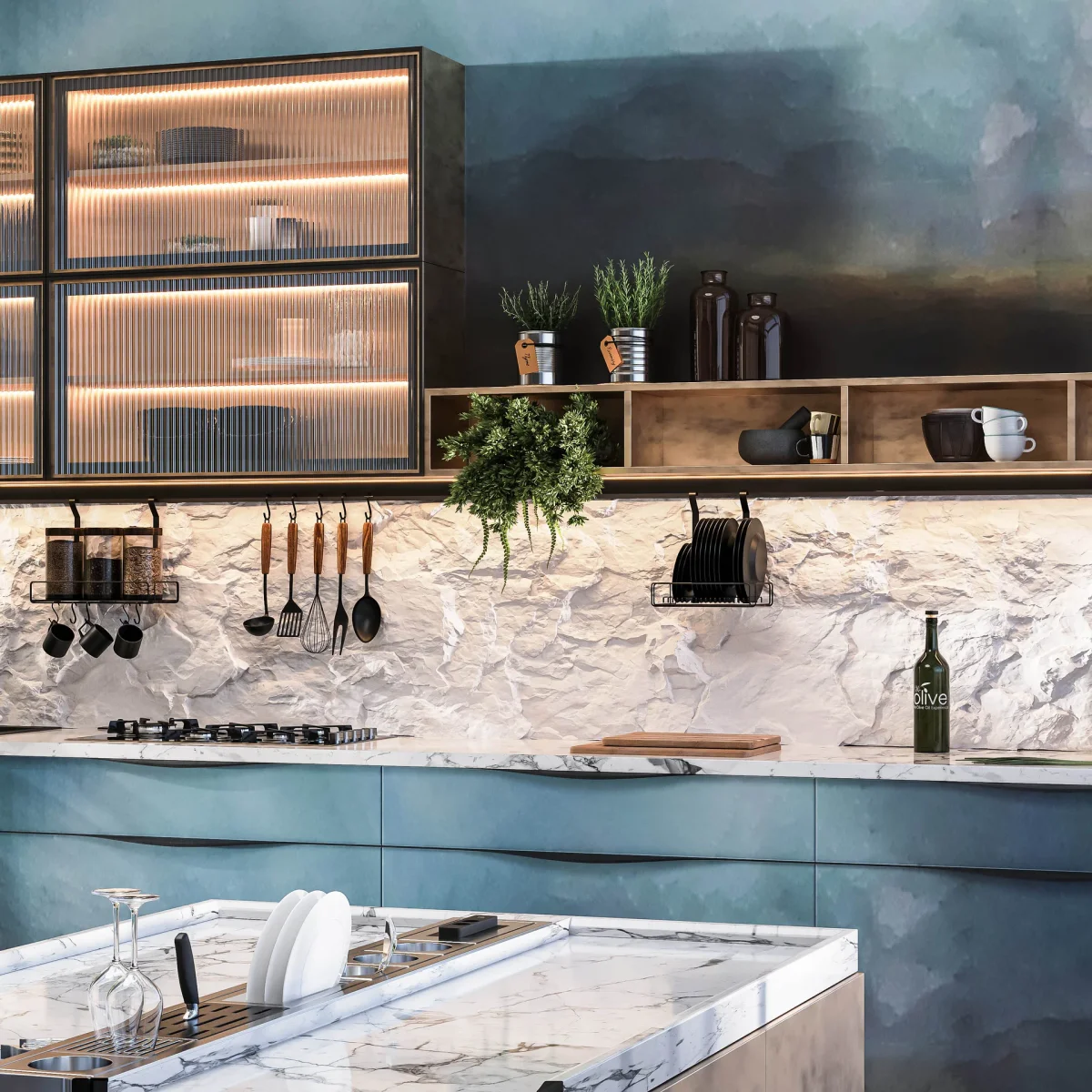
Modular kitchens have a fit and finish that is difficult to replicate on-site. Because they are factory-made, every cabinet and door aligns perfectly, giving the room a clean, uniform look. In this setup, you can add under-cabinet lights to brighten your workspace and give your kitchen a touch of that luxurious glow. These finishes don't just look good on day one; they hold their appearance even a decade later, which helps your home maintain its value.
7. A Kitchen That Moves With You
In a city like Bangalore, life changes fast. Whether you're moving to be closer to work or upgrading to a bigger space, leaving behind a custom kitchen can feel like a huge loss.
One of the best things about a modular kitchen is that it isn't a permanent fixture. Since the cabinets are independent units, you can actually dismantle them and take them with you. Even if your new layout is different, you can reconfigure the existing modules or add a few new ones to fit your new space. Your kitchen becomes a long-term asset you truly own, rather than something you leave behind for the next occupant. For anyone who moves frequently, this alone makes it worth every rupee.
Final Thoughts
Modular kitchens have been around since post-war Europe, where shrinking urban apartments created a need for kitchens that could do more with less space. It took a few decades to reach India, but the problems they were designed to solve are the same ones Bangalore apartments deal with today.
What makes them worth the investment isn't any single feature; it's that all of it works together. The storage holds up through monsoon after monsoon. The materials don't need replacing in five years. And when you eventually move, which you probably will in Bangalore, the kitchen can move with you. For a space you use every single day, that's not just convenient. It's exactly what a good investment looks like.
FAQs
1. Is a modular kitchen actually worth it for a Bangalore apartment?
Yes. It handles humidity better, uses space more efficiently, and needs far fewer repairs than a traditional kitchen over time. The upfront cost is higher, but it pays for itself over five to ten years.
2. What is the best modular kitchen design in Bangalore for small apartments?
L-shaped and parallel modular kitchens work best for compact spaces. They maximise corners without taking up too much room.
3. What are the latest modular kitchen designs in Bangalore?
Modern modular kitchen designs focus on clean finishes, built-in appliances, and smart storage that keeps counters clutter-free.
4. Are stainless steel modular kitchens a good option in Bangalore?
Yes, they're the perfect choice. Stainless steel resists moisture, termites, and daily wear, making it one of the more practical material choices for Bangalore's climate.
5. How do I choose the right modular kitchen design in Bangalore?
Start with your kitchen size, layout, and how you actually cook. A good design should make movement and storage feel effortless, not something you have to work around.
6. Is a modular kitchen cheaper than a carpenter-built kitchen?
No. It costs more upfront, but modular kitchens last longer and need fewer repairs, making them more cost- effective over time.
7. What should I look for in modular kitchen cabinets in Bangalore?
Focus on moisture-resistant materials and durable hardware. These matter more than finishes in Bangalore's weather conditions.
8. How long does it take to complete a modular kitchen in Bangalore?
Most modular kitchens take about 45 to 60 days, depending on design complexity and installation requirements.
9. Is monsoon-proofing necessary for Bangalore kitchens?
Yes. Bangalore's humidity causes regular plywood to swell and warp over time, and termites are a separate risk on top of that. Moisture-resistant materials like marine-grade plywood, MDF, or stainless steel hold up significantly better through repeated monsoon seasons.
10. Can I get a modular kitchen on a budget in Bangalore?
Yes. Focus your budget on cabinet material and hardware rather than finishes. These determine how long your kitchen actually lasts. You can always choose simpler finishes without compromising on durability.
11. Are eco-friendly modular kitchen options available in Bangalore?
Yes. Several manufacturers now offer cabinets made from sustainably sourced materials and finishes.
12. Which layout is better: L-shaped or U-shaped modular kitchen?
L-shaped layouts suit most Bangalore apartments. U-shaped works better when you have more floor space and want to maximise storage on three walls.
13. Can modular kitchens be customised for Indian cooking?
Yes. A well-designed modular kitchen accounts for the demands of Indian cooking: deep drawers for heavy vessels, a dedicated masala and dry goods zone, and proper chimney placement to handle the smoke and steam that comes with daily cooking.
14. Can I move my modular kitchen when I relocate?
Yes. Modular kitchens can be dismantled and reinstalled in a new space. You may need minor adjustments depending on the new layout, but the core units remain reusable.